World
MSCI keeps South Korea in emerging markets, warns Indonesia could be downgraded
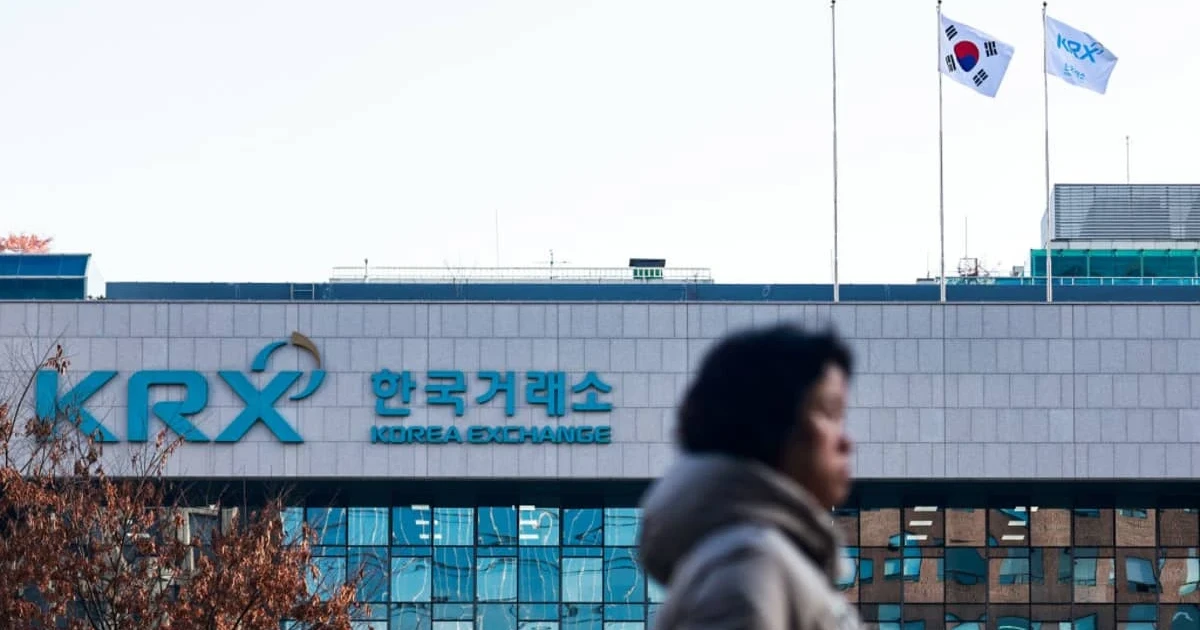
MSCI kept South Korea in its emerging-markets bucket and extended Indonesia’s review until November 2026. Jakarta remains vulnerable to a downgrade to frontier status. The annual June classification process combines a Global Market Accessibility Review with the Market Classification Review.
MSCI’s framework rests on economic development, size and liquidity, and market accessibility. The accessibility review uses 18 separate measures to judge how easy it is for global institutional investors to enter a market. For South Korea, MSCI cited limits in the won’s convertibility in offshore currency markets, along with a rigid investor identification system, restrictions on in-kind transfers and off-exchange transactions, and limits on products tied to exchange-data rules. South Korea’s finance ministry will keep pushing reforms after the decision.
South Korea is already treated as a developed market by FTSE Russell, but MSCI has not moved it onto the developed-markets watchlist, a step that usually has to be completed for at least a year before an upgrade can be considered. South Korea has been trying for years to win that watchlist slot, renewing its push in 2022 and laying out a January 2026 roadmap that said a June 2027 upgrade could be possible if reforms are implemented effectively.
MSCI’s Emerging Markets Index covers about 85% of the free-float-adjusted market capitalization in each country.
Indonesia’s position looked more fragile. In June 2026, MSCI downgraded the country’s information-flow assessment, citing limited transparency in shareholding structures, weaker price formation and signs of coordinated trading. Some market information is not always available in English.
Sources
- [1]cnbc.com
- [2]msci.com
- [3]en.yna.co.kr
- [4]ojk.go.id