Politics
Mullin defends election security after Trump revives China interference claims
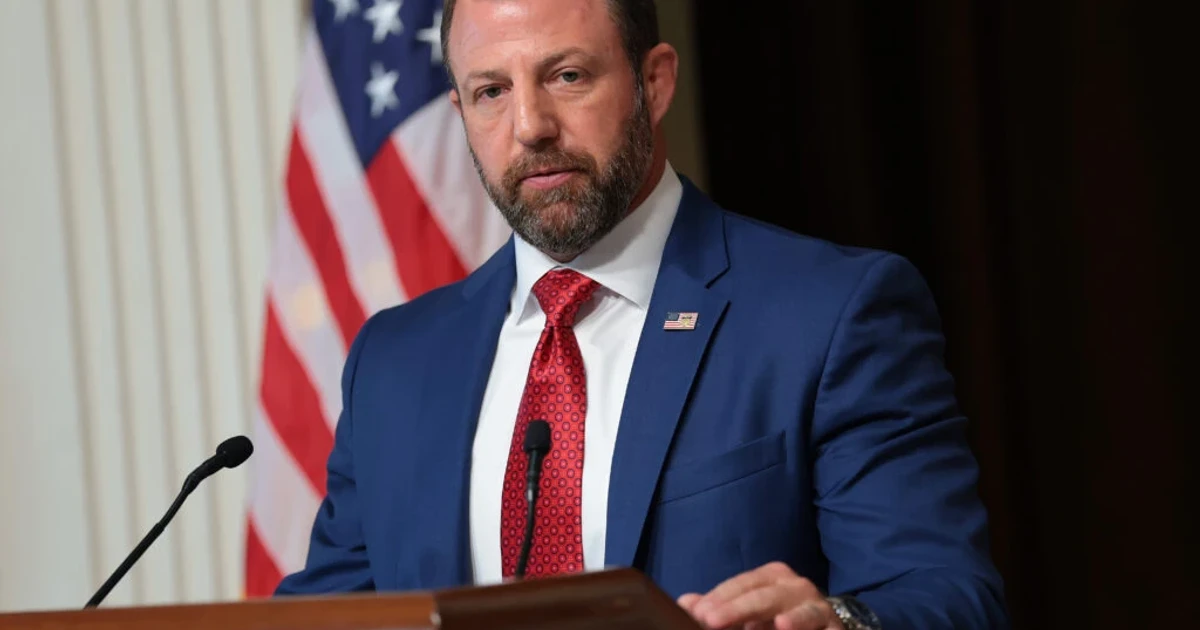
Homeland Security Secretary Markwayne Mullin defended election security Friday after President Donald Trump used a primetime White House address to revive claims that China interfered in the 2020 election.
Trump’s Thursday night remarks framed the U.S. election system as falling “catastrophically short” and returned to a theme that has shadowed his politics for years. He also alleged that China interfered in the 2020 vote and cast declassified documents as evidence of foreign meddling, even as election experts said the material offered no new proof of fraud.
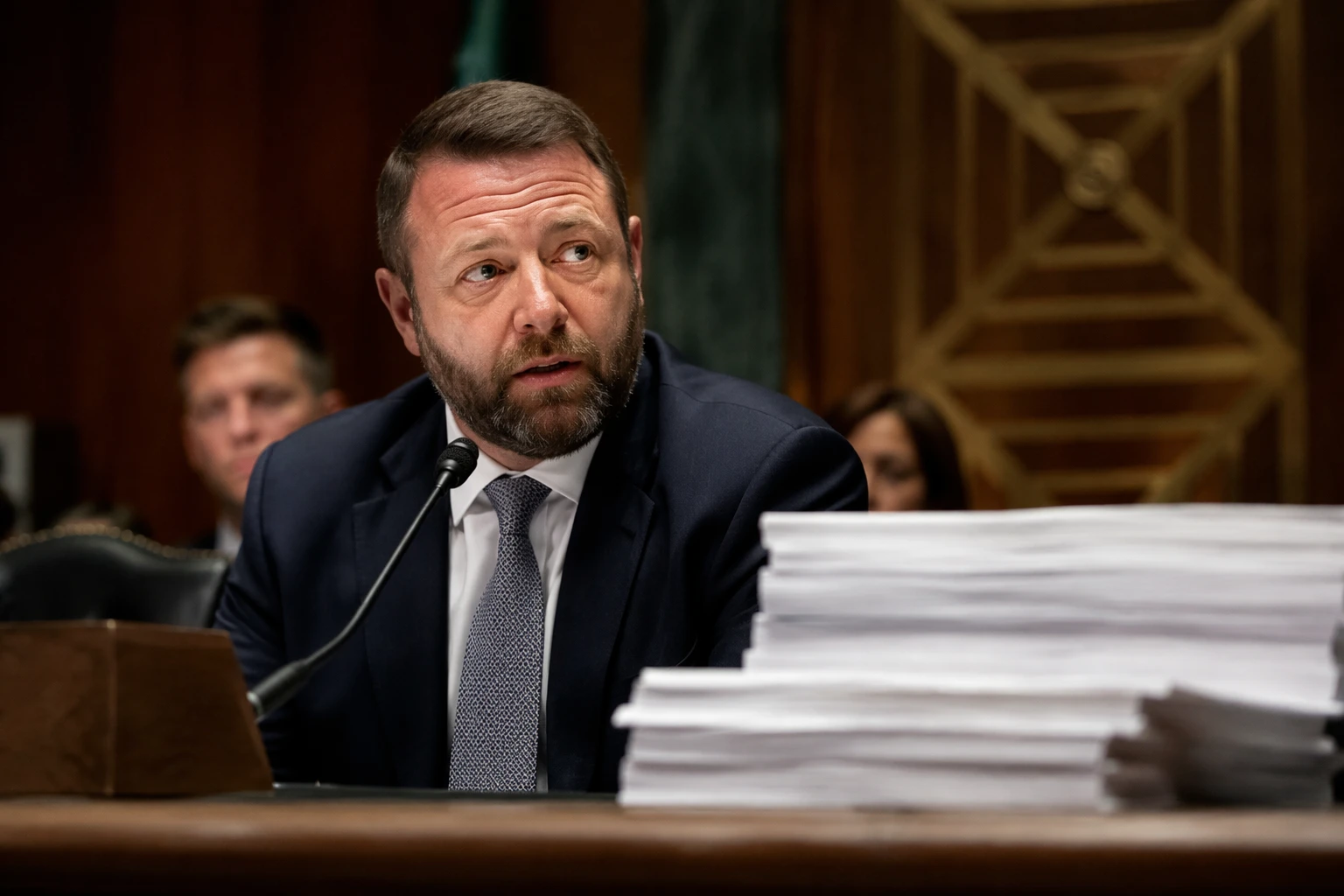
The timing underscored how the administration is using election-security language to reopen a fight over 2020 rather than present a fresh case built on new evidence. Reuters said the speech fit Trump’s broader push to revisit election-security claims ahead of the midterms, while China denied the allegations.
By Friday, Mullin was taking up the same argument and broadening it into pressure on state election officials. Democracy Docket reported that Mullin threatened state officials who refuse federal voter-roll demands, a move that points to voter-registration lists and administrative control as the immediate front in the administration’s campaign.
The claims also ran into the record already assembled on foreign threats to the 2020 federal election. The intelligence community assessment was prepared by the National Intelligence Council and the CIA, DHS, FBI, INR, Treasury and NSA, working under the auspices of the National Intelligence Officer for Cyber. That assessment sat alongside years of reviews and challenges in which Trump’s claims about voter fraud and foreign meddling in 2020 remained unsubstantiated.
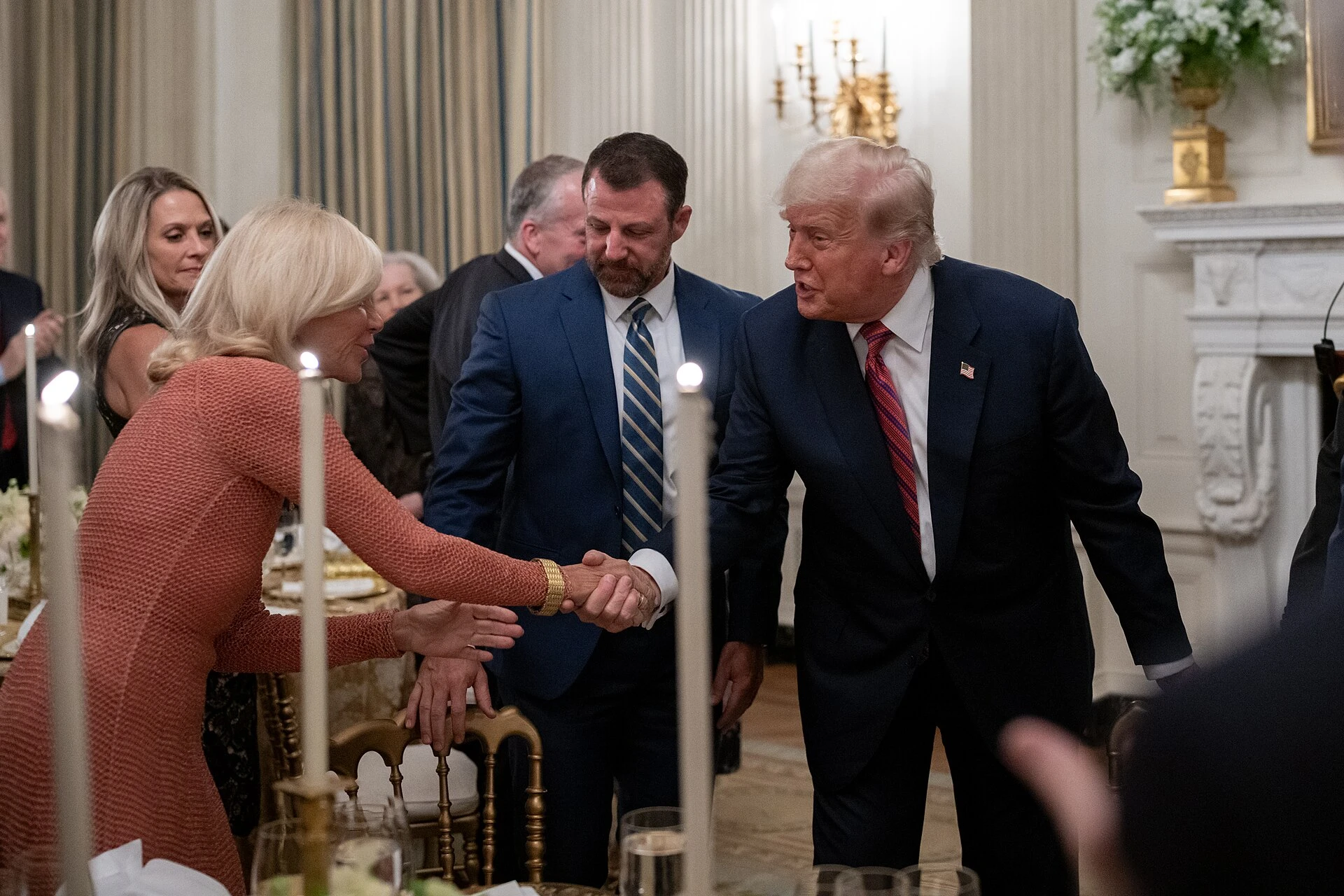
The result is a stark test of whether election-security policy is being driven by documented threats or by revived political narratives from 2020. In Trump’s latest address, the warning was broad, the evidence was recycled, and the administration’s next move targeted the people who run state voter rolls.
Sources
- [1]cbsnews.com
- [2]reuters.com
- [3]dni.gov
- [4]democracydocket.com