Politics
Mullin Pursues Bipartisan Effort on Immigration Policy
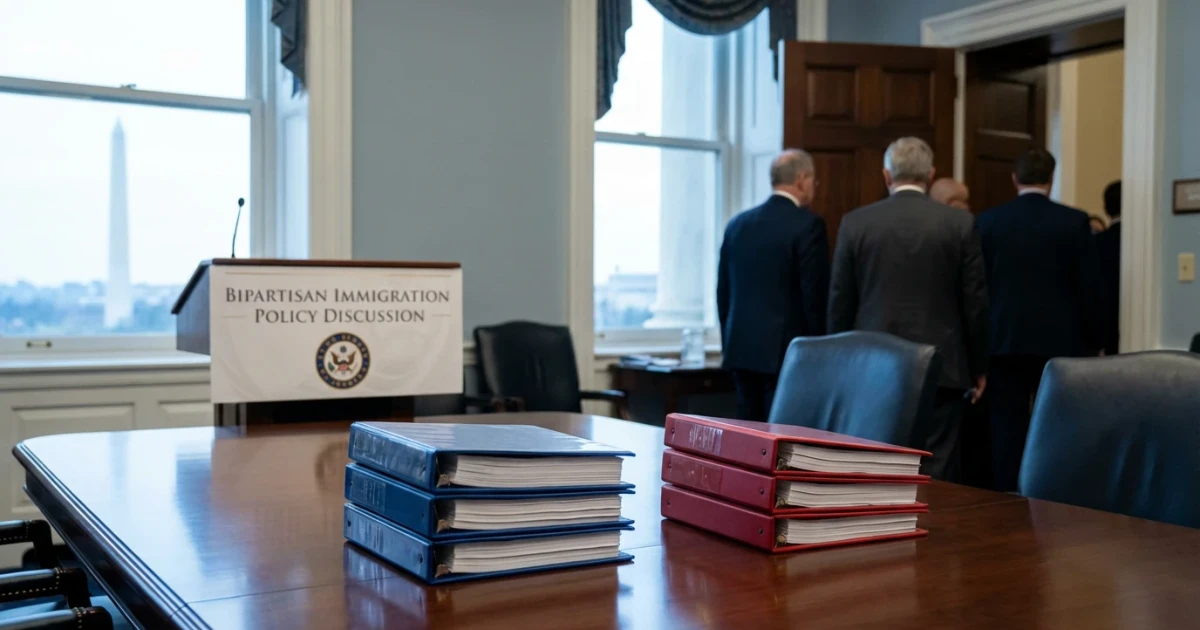
Senator Markwayne Mullin is working with lawmakers from both parties to develop an agreement aimed at moderating the current U.S. immigration enforcement policies, according to The New York Times. The effort comes amid ongoing debates in Congress over border security, migrant processing, and the future of immigration law in the United States.
The Push for a Bipartisan Approach
The New York Times reported that Mullin has initiated conversations with Senate colleagues to explore possibilities for a bipartisan framework that would address concerns over the scope and impact of recent immigration crackdowns. While details remain limited, the discussions are said to center on balancing the need for border security with calls for humane treatment of migrants and legal clarity for those seeking entry or asylum.
Background on Immigration Crackdown
Recent years have seen heightened enforcement measures at the U.S. southern border, resulting in increased migrant encounters and policy shifts that have drawn criticism from advocacy groups and some members of Congress. According to Pew Research Center, recent policy proposals have included both stricter enforcement and expanded legal pathways for immigrants.
Legislative Context
The Senate’s ongoing negotiations over immigration reform have included proposals such as the Border Act of 2024 (S.4361), which sought to address enforcement actions and provide funding for border security. Mullin’s recent efforts suggest a willingness among some lawmakers to revisit these proposals and seek a middle ground that could win support from both sides of the aisle.
- Efforts to moderate enforcement have drawn interest from both moderate Democrats and Republicans.
- Policy analysts note that bipartisan cooperation is often necessary for any substantive changes to U.S. immigration law.
- Historical data shows that immigration reform has frequently been stalled by partisan disagreements over enforcement and pathway provisions.
Challenges and Outlook
Despite the push for bipartisanship, experts—including those cited in reports by the Government Accountability Office—note persistent challenges in balancing enforcement with humanitarian obligations and legal processing. The effectiveness of any new agreement will likely depend on the ability of lawmakers to bridge divides over resource allocation and the legal status of undocumented immigrants already in the country.
With the 2026 midterm elections approaching, immigration remains a top issue for many voters, and the outcome of these legislative efforts could shape the political landscape heading into campaign season. Observers will be watching closely to see if Senator Mullin’s bipartisan approach can yield a breakthrough where previous attempts have stalled.
For readers seeking deeper context and the latest data:
- Monthly and annual border encounter statistics
- Historical immigration trends
- Policy background and proposed changes
As negotiations continue, lawmakers and the public await signals on whether a bipartisan compromise can address both security and humanitarian priorities on the border.