Politics
Mullin warns four states over alleged non-citizen voter registrations
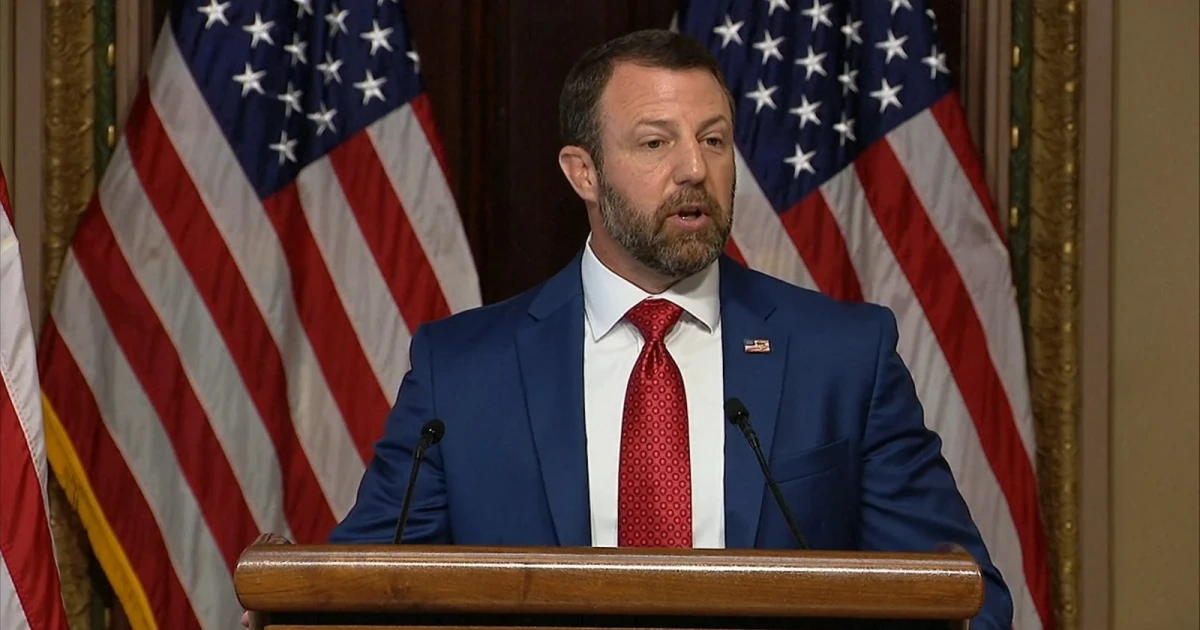
Markwayne Mullin sent letters to election officials in California, New Jersey, Nevada and Virginia alleging that a combined 250,000 non-citizens were registered to vote, a claim that some coverage put at 256,000 potential non-citizens. The figure immediately drew scrutiny from election policy experts who warned it could significantly overstate the problem.
The allegation matters because being on a voter-registration list is not the same as casting an illegal ballot. State election offices maintain voter-registration databases and regularly check them to keep rolls accurate, while federal law already bars non-U.S. citizens from voting in federal elections. The Brennan Center says that rule is clear, and Voting Rights Lab says there is no evidence that current systems are failing or that noncitizen voting is a widespread problem.
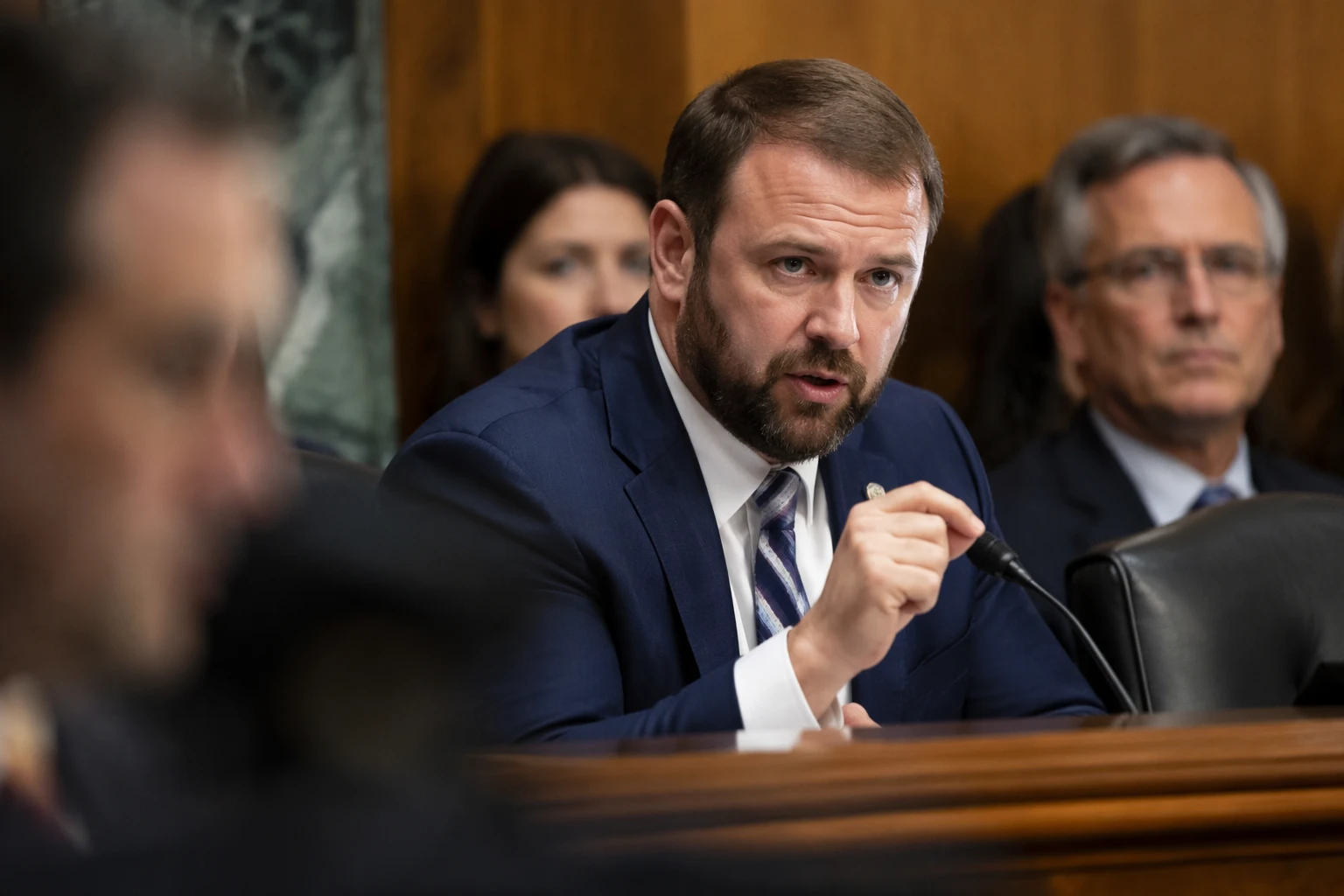
Mullin asked the four states to review their rolls for people who are not U.S. citizens, and NBC News reported that he said the administration would withhold funding from states that do not follow the election-security directives. The pressure came as the Department of Justice sent letters to all 50 states on July 8, warning that election officials could face criminal charges over how they maintain accurate voter rolls. Together, the moves fit a broader Trump administration push on election security ahead of the midterms, along with renewed public claims by Donald Trump about non-citizen voting.
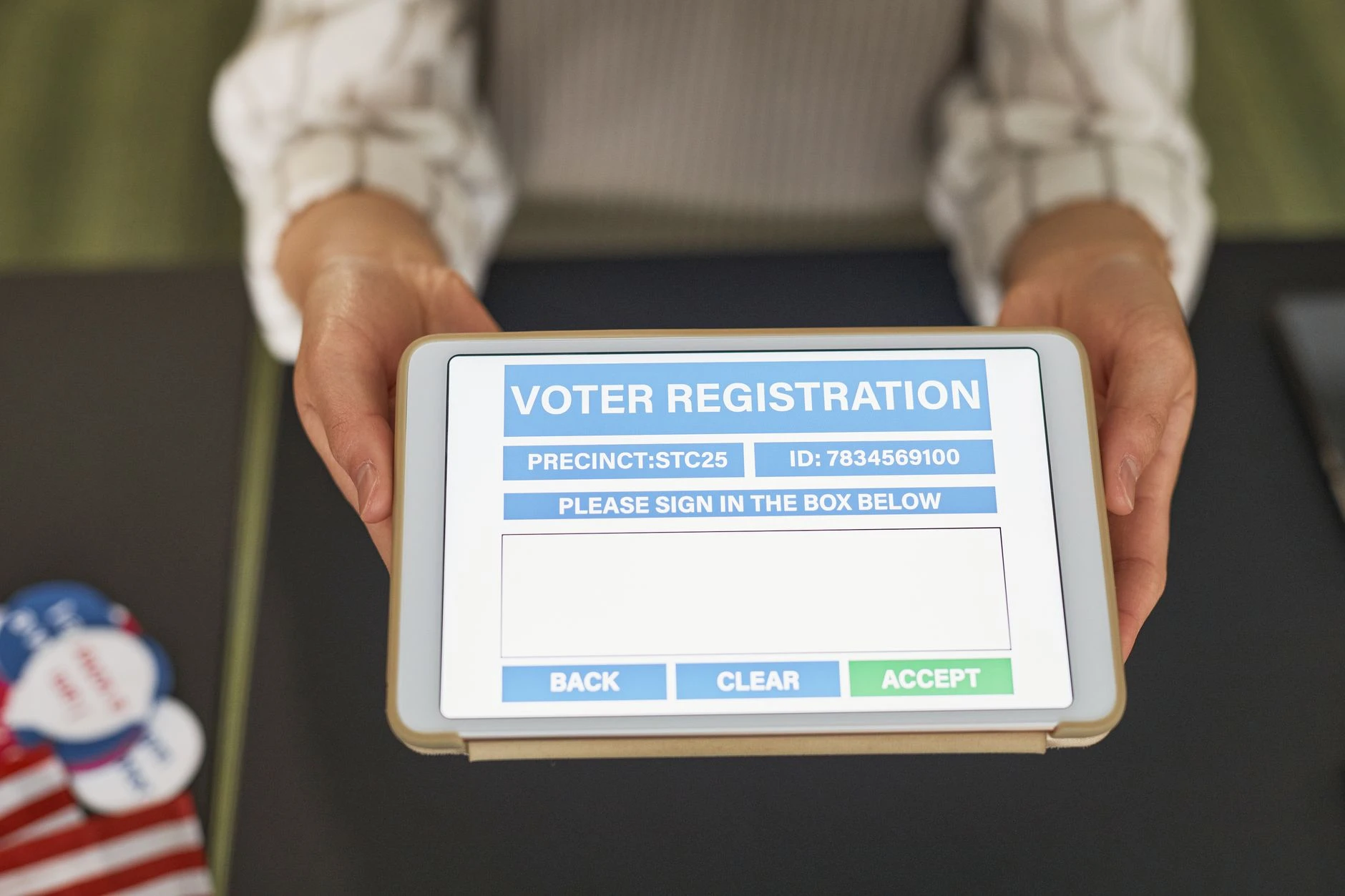
State reaction was swift in at least one case. Nevada rejected the claims immediately, according to The New York Times, which also noted that the president offered no concrete evidence. The Center for Election Innovation & Research published an updated review of claims about noncitizen registrants and voters in July 2026, adding to a body of research that has repeatedly found little evidence of widespread noncitizen registration or voting.
The dispute is about more than one set of letters. When officials cite large numbers without distinguishing between a name appearing on a roll and an actual unlawful vote, the line between administrative cleanup and criminal fraud gets blurred. That kind of imprecision can harden suspicion around elections even when the underlying evidence does not support the scale of the allegation.
Sources
- [1]cbsnews.com
- [2]aol.com
- [3]nbcnews.com
- [4]nytimes.com
- [5]electioninnovation.org
- [6]brennancenter.org
- [7]votingrightslab.org
- [8]reuters.com