Politics
Murphy backs $25 federal minimum wage to energize voters
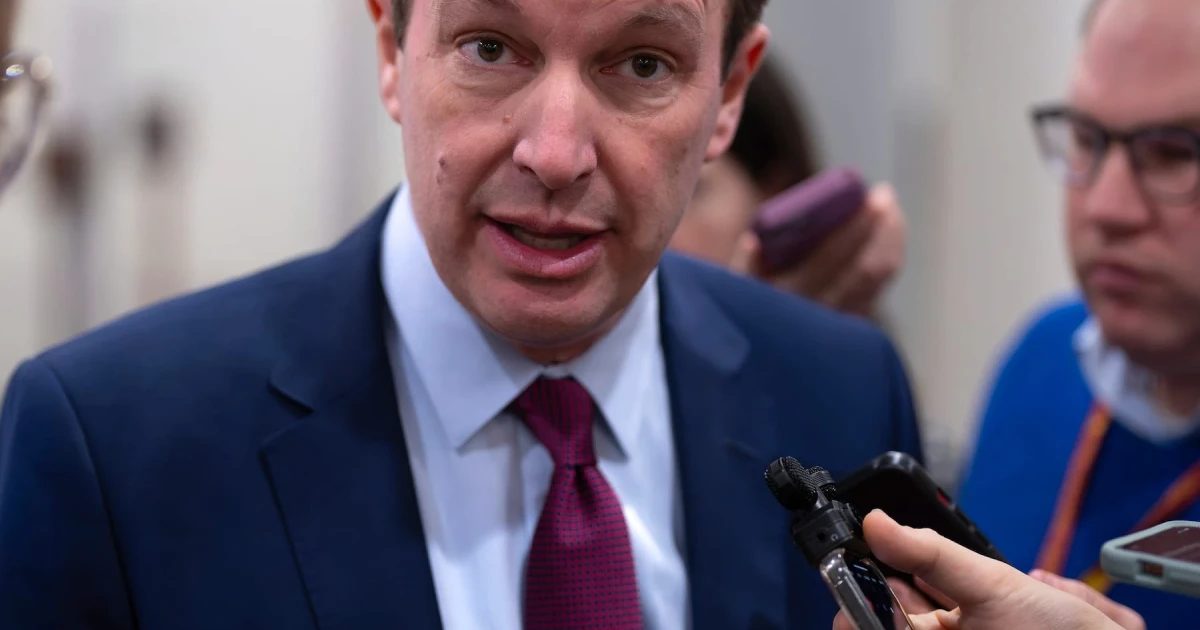
A Democratic push to raise the federal minimum wage to $25 an hour has become more than a labor proposal, with Sen. Chris Murphy arguing that the scale of the plan could energize voters. The fight comes as the federal floor remains stuck at $7.25 an hour, a rate unchanged since 2009 and now far below the wage levels Democrats have floated in recent years.
The latest proposal, the Living Wage for All Act, would phase the increase in over years rather than jump straight to the full rate. Large employers with 500 or more workers nationwide, or at least $1 billion in annual revenue, would have to reach $25 an hour by 2031. Smaller employers would have until 2038. The bill would also end subminimum wages, including the tipped wage, and after the $25 floor took effect, it would tie future increases to two-thirds of the national median wage.
That is a sharper break from Murphy’s earlier positions. He has previously said he supports a $15 federal minimum wage, and a Senate Democratic bill in 2025 sought to raise the wage to $17 by 2030. The shift from $15 to $17 to $25 shows how quickly the party’s wage debate has moved, especially as Democrats look to sharpen their message on affordability and working-class pay.
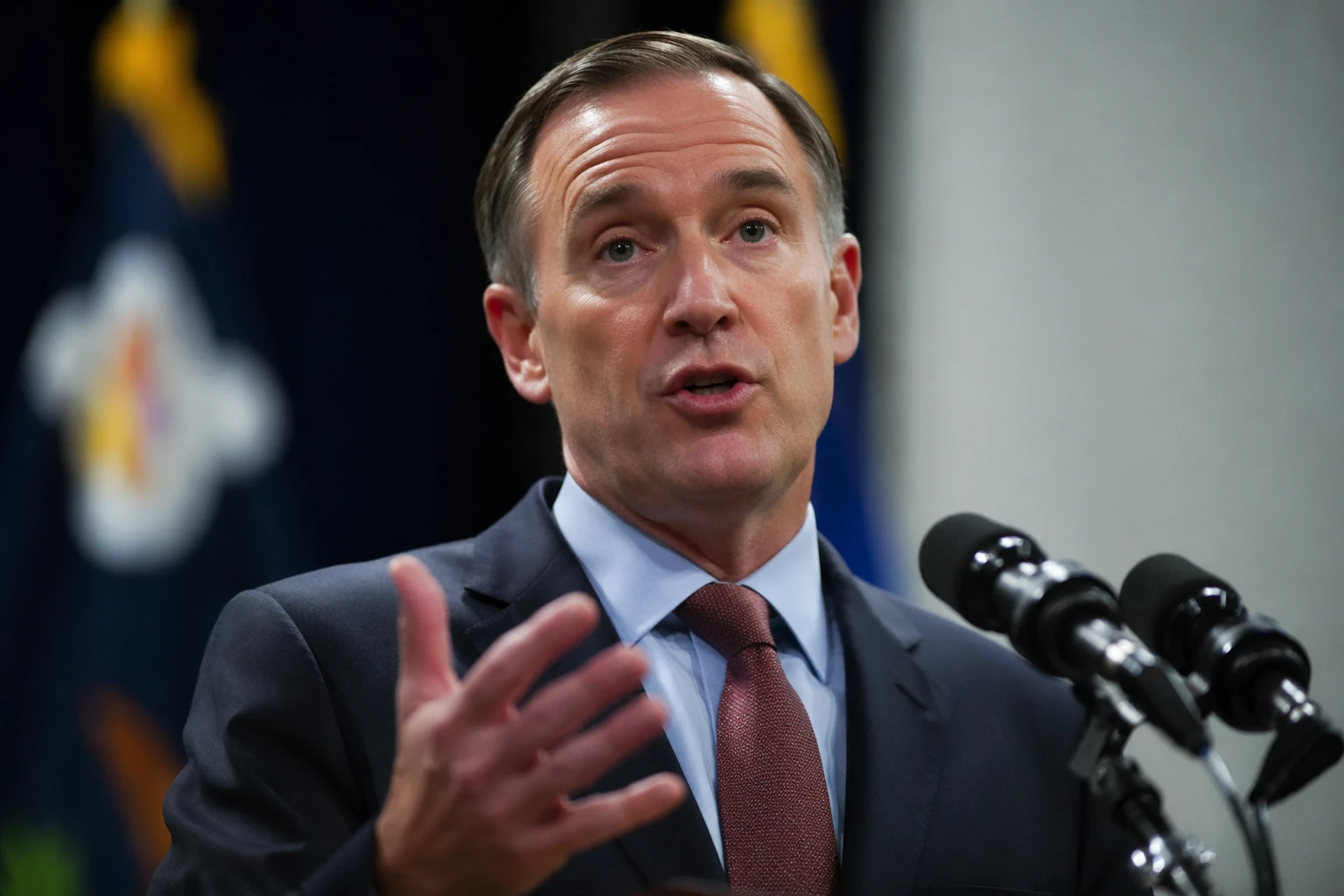
Rep. Delia Ramirez backed the House version in April, and a coalition of more than 100 labor, civil rights and advocacy groups lined up behind it. Supporters say the current wage no longer covers basic living costs, particularly as rent, food and transportation have climbed far faster than the federal wage floor. The plan also tries to address regional pressure points by making the biggest corporations move first, while giving smaller employers a longer runway.
Business opposition has been just as forceful. A business-backed advocacy group has argued that a $25 federal wage is economically unrealistic and would lead to lost jobs and higher prices. That critique is likely to resonate in lower-cost regions and among small employers that say one national wage cannot reflect widely different local labor markets. For Murphy and other Democrats, the question is whether the proposal becomes a governing blueprint, a campaign message, or both.
Sources
- [1]washingtonpost.com
- [2]cnbc.com
- [3]ramirez.house.gov
- [4]murphy.senate.gov
- [5]gillibrand.senate.gov
- [6]minimumwage.com
- [7]epi.org