World
Museums Worldwide Mark International Museum Day
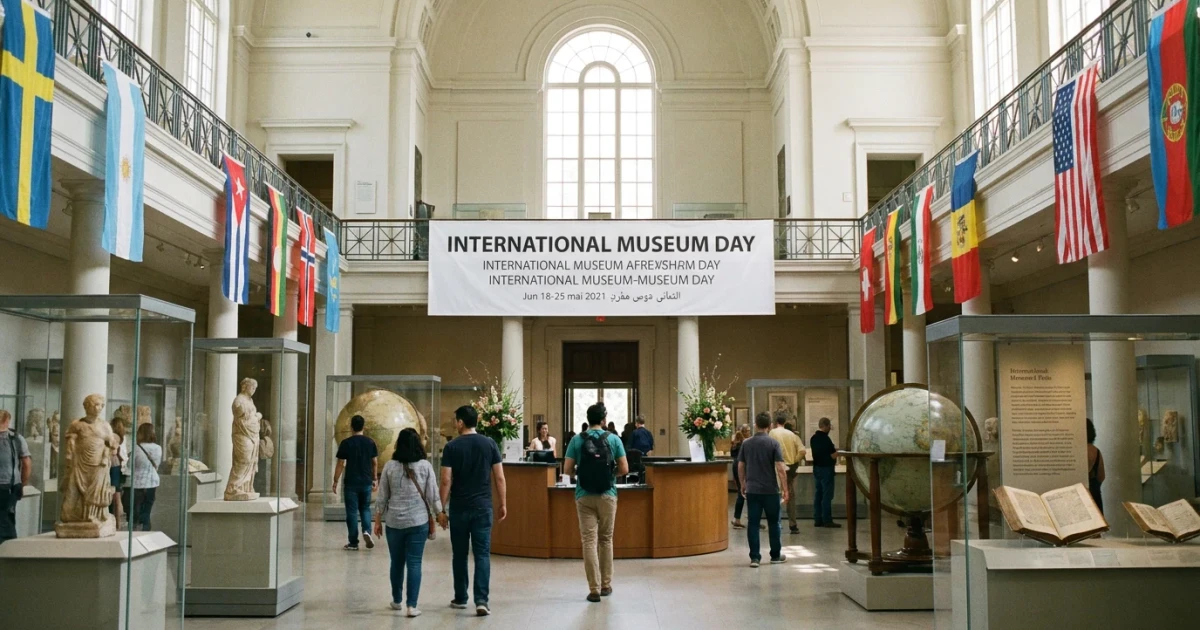
International Museum Day was observed on May 18, 2026, as museums and cultural institutions around the globe opened their doors to the public, hosting a wide range of events and activities aimed at fostering appreciation for cultural heritage and promoting education. The annual celebration, coordinated by the International Council of Museums (ICOM) and supported by UNESCO, drew participation from thousands of institutions in countries on every continent.
The Global Scope of International Museum Day
First launched in 1977, International Museum Day aims to raise awareness about the vital role museums play in society. According to the UNESCO Institute for Statistics, there are over 95,000 museums worldwide, covering topics from art and history to science and technology. ICOM reports that in recent years, more than 37,000 museums across 158 countries have taken part in the annual event, offering exhibitions, guided tours, workshops, and community outreach programs.
- UNESCO underscores that museums are "key actors in the safeguarding of heritage and the promotion of cultural diversity."
- Data from Statista shows that museum attendance is recovering worldwide, with major institutions seeing millions of visitors annually.
Themes and Activities
Each year, International Museum Day focuses on a central theme. In 2026, the emphasis was on "Museums for Education and Research", highlighting how these institutions serve as spaces for lifelong learning and knowledge sharing. UNESCO stated that this theme reflects the growing importance of museums as accessible and inclusive spaces, offering educational resources for all ages.
Across the globe, museums marked the occasion with:
- Special exhibitions on science, history, and cultural identity
- Interactive workshops for children and families
- Panel discussions on the future of museums and digital engagement
- Free or discounted admission to encourage wider community participation
The Role of Museums in Society
UNESCO and ICOM both emphasize the critical role museums play in fostering dialogue, social cohesion, and sustainable development. Museums not only safeguard objects of historical and cultural importance but also serve as platforms for intercultural exchange and the promotion of peace. According to ICOM statistics, museums' educational programs reach tens of millions of students and visitors each year.
UNESCO's museum and cultural heritage initiatives focus on supporting museums in developing countries, strengthening their capacity to conserve collections and engage communities.
International Collaboration and Forward Outlook
International Museum Day has become a platform for collaboration among museums, governments, and international organizations. Events documented by Xinhua showed diverse celebrations, from art festivals in Europe to heritage tours in Asia and Africa. These activities reflect the growing recognition of museums as essential public resources.
As the world continues to recover from the effects of the COVID-19 pandemic, both UNESCO and ICOM note an increased emphasis on digital innovation, accessibility, and community outreach within the museum sector. The ongoing growth in museum attendance and engagement, as shown in sector statistics, points to a strong future for museums as centers of education, culture, and shared memory.
Looking ahead, International Museum Day is set to remain a cornerstone event for highlighting the evolving role of museums in society and encouraging greater public involvement in cultural heritage.