Business
Musk Faces Intense Cross-Examination in OpenAI Trial
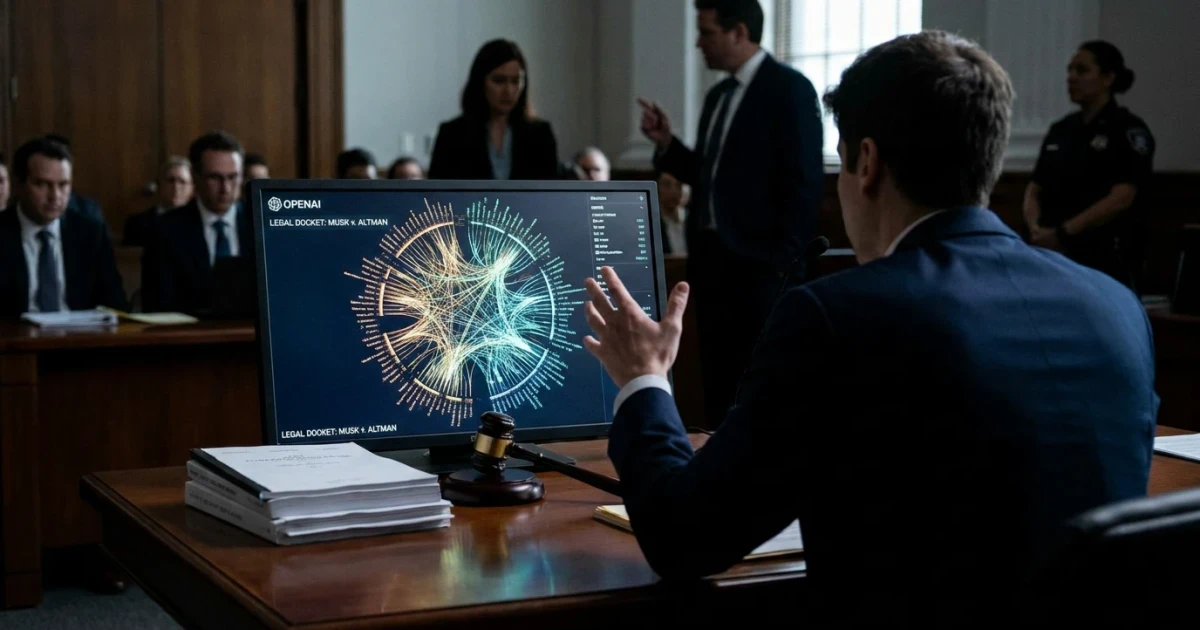
Elon Musk took the stand again in the ongoing legal battle with OpenAI and CEO Sam Altman, facing a pointed cross-examination from Altman’s attorneys. The trial, which has drawn significant attention from the technology and business worlds, continued to showcase the deep rift between the two AI pioneers, as reported by CNBC’s live updates on the proceedings.
The Legal Showdown: Musk vs. OpenAI and Altman
The case centers around Musk’s allegations that OpenAI, the artificial intelligence research company he co-founded, deviated from its founding mission to operate as a nonprofit dedicated to ensuring that artificial general intelligence (AGI) benefits humanity. Musk claims that OpenAI’s recent actions—including its partnership with Microsoft and the commercialization of its AI models—contradict the original principles he helped establish.
CNBC’s coverage emphasized the tension in the courtroom, particularly as Altman’s lawyer pressed Musk about his motivations and the timeline of internal disagreements. The exchanges were described as "heated," with Musk at times pushing back forcefully against the framing of questions and defending his view that OpenAI’s recent trajectory represents a fundamental breach of its founding agreements.
Key Issues in the Dispute
- Nonprofit vs. For-Profit Structure: Musk has argued that OpenAI’s transition to a "capped-profit" model and partnerships with commercial entities like Microsoft undermine its commitment to public benefit.
- Access to Advanced AI Technology: The lawsuit also centers on who controls access to OpenAI’s most advanced AI models, a question with major implications for the wider tech industry and society at large.
- Governance and Transparency: The trial is shedding light on the complex governance structure that has shaped OpenAI’s evolution and the decision-making process behind key strategic moves.
Musk’s Testimony and Cross-Examination
During cross-examination, Altman’s attorney challenged Musk’s recollections of internal board discussions, fundraising efforts, and the language of OpenAI’s founding documents. According to CNBC, the exchanges grew particularly contentious when the attorney suggested that Musk’s own actions—as a high-profile tech investor and entrepreneur—demonstrated a willingness to embrace commercial partnerships in his other ventures. Musk reportedly rejected the comparison, insisting that OpenAI’s obligations were unique given the risks associated with advanced artificial intelligence.
Observers noted the trial’s intensity, with each side seeking to shape the narrative around OpenAI’s mission and the expectations set by its early leadership. The legal standoff is not only about the fate of the organization, but also about the future of AI development and oversight in the United States.
What’s at Stake
- OpenAI’s Future Direction: The outcome of the trial could influence how OpenAI governs its technology and shares its models with outside partners, including tech giants like Microsoft.
- Industry Precedent: The case is being closely watched as a potential precedent for how other AI labs and research organizations balance public benefit with commercial interests.
- Leadership and Governance Standards: The trial has exposed the challenges of maintaining transparency and consensus in organizations at the forefront of AI research—a topic relevant for both regulators and industry leaders.
Looking Ahead
With Musk’s testimony ongoing, legal experts and industry analysts are watching for signals about how the court may interpret the original agreements and the implications for OpenAI’s corporate structure. The trial is expected to delve further into the details of Musk’s legal complaint and the organization’s evolving mission in the coming days.
As the proceedings continue, the case underscores the growing scrutiny of AI governance and the high stakes for technology leaders navigating the balance between innovation, collaboration, and public accountability.