Technology
Musk says he gave SpaceX less than 10 percent chance of success
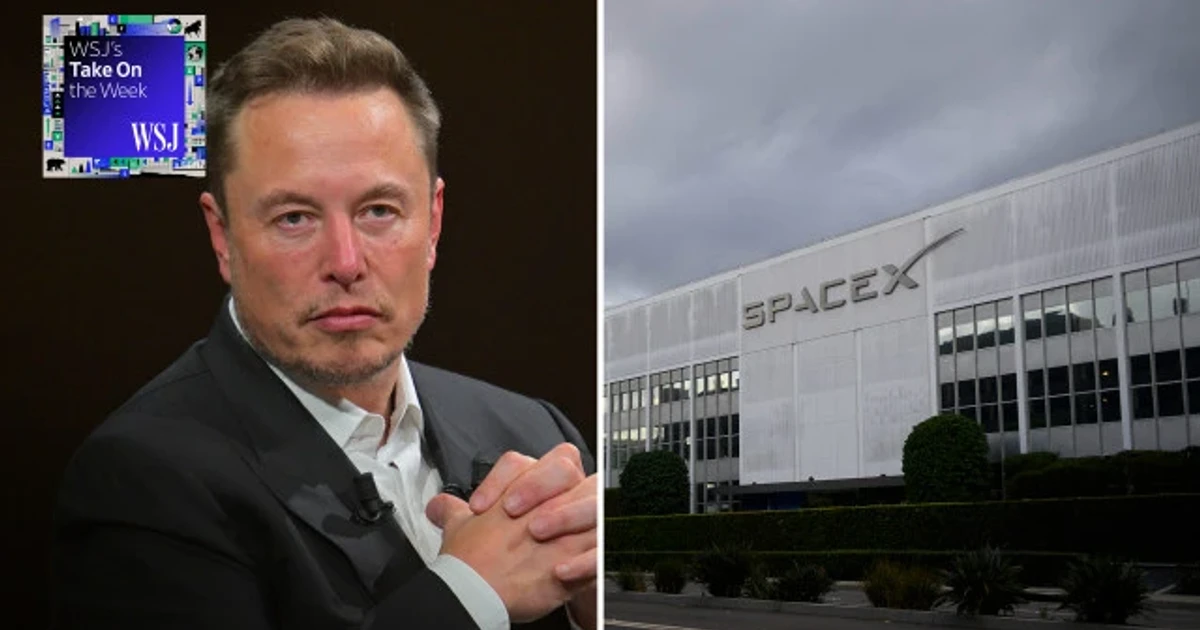
Elon Musk said he once gave SpaceX less than a 10 percent chance of success, a judgment that now reads less like caution than understatement. Founded in 2002 to revolutionize space technology and eventually enable people to live on other planets, SpaceX spent years proving it could turn that vision into hardware, launches and federal contracts.
NASA became the company’s proving ground in August 2006, when it awarded SpaceX a Commercial Orbital Transportation Services agreement. SpaceX’s Falcon 1 then failed three times before reaching orbit in 2008, a sequence that made the company’s survival far from certain. By August 2012, however, SpaceX had completed all 40 COTS milestones, earning payments totaling $396 million and showing the agency that a private launch company could meet government standards on schedule.
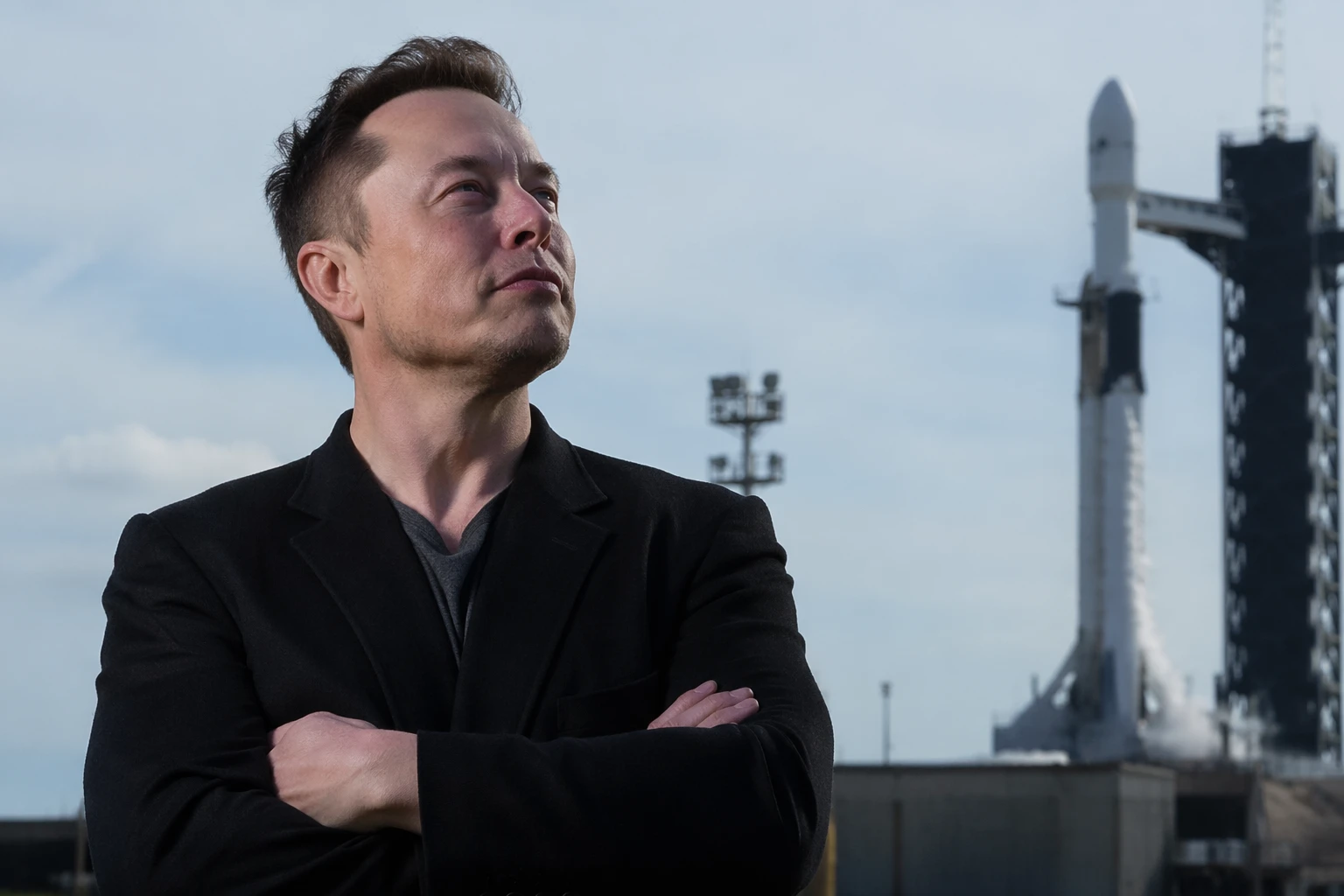
The next tests were even more consequential. On May 22, 2012, Dragon flew on SpaceX’s second COTS demonstration mission to the International Space Station. In October 2012, the company completed its first contracted resupply mission under NASA’s Commercial Resupply Services contract. NASA later said SpaceX became the first private company in history to return a spacecraft from orbit, a milestone that helped redefine what a commercial space company could do. Since May 2020, SpaceX has also flown astronauts to and from space aboard Dragon, restoring a U.S. human spaceflight capability that Washington had lost after the end of the shuttle era.
That record helps explain why SpaceX’s market debut drew such extraordinary attention in June 2026. The company filed an S-1 with the U.S. Securities and Exchange Commission on May 20, 2026, and Reuters reported that investors had poured about $75 billion into the offering. Valuation estimates climbed above $1.75 trillion and as high as $2 trillion, putting SpaceX among the most valuable companies ever and underscoring how a launch provider became a strategic asset as well as a technology company.
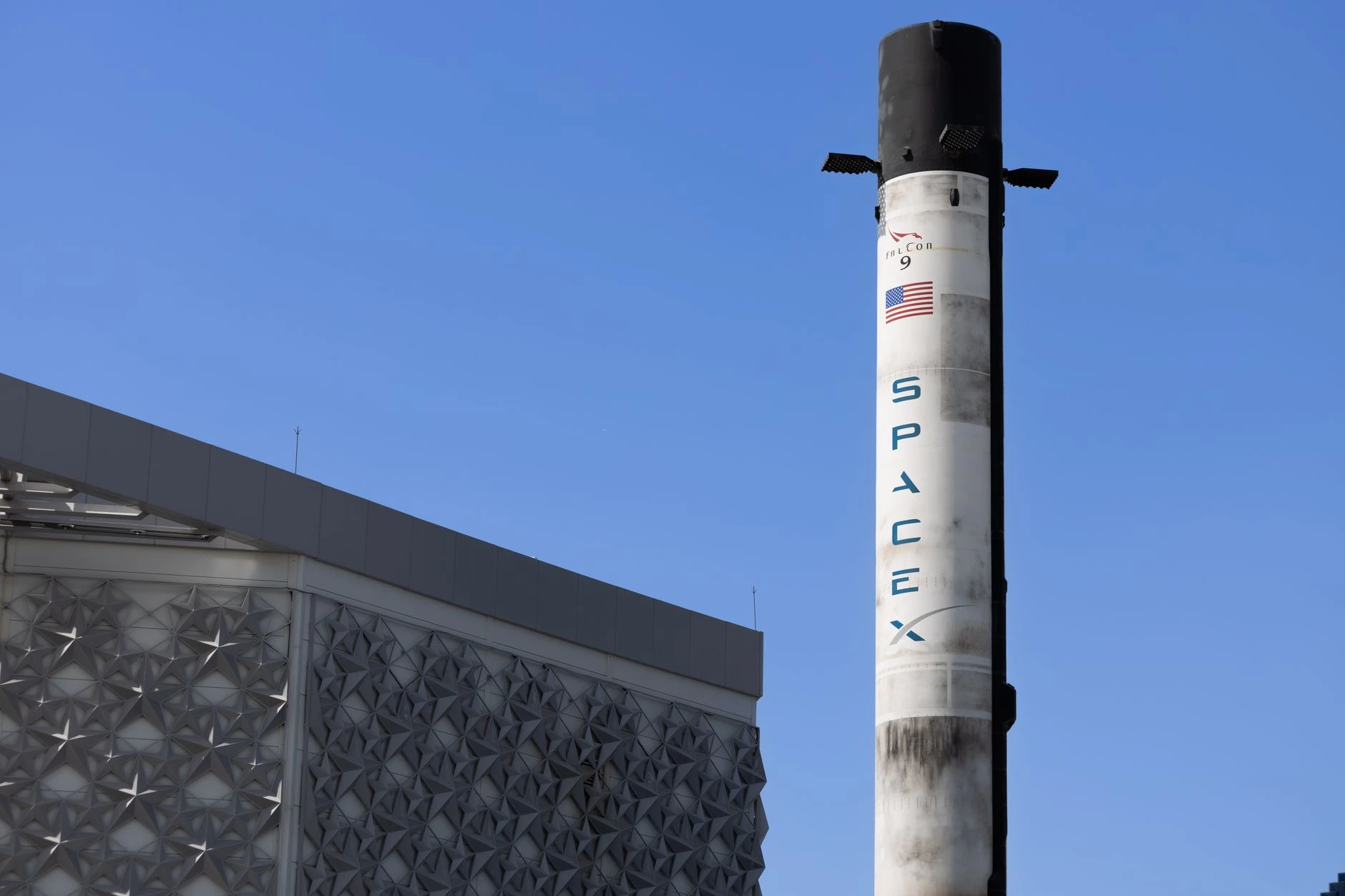
The scale of that valuation matters well beyond Silicon Valley. NASA’s reliance on SpaceX for cargo and crew has tied American access to orbit to one private firm whose reusable rockets changed the economics of launch. That concentration of power also raises the stakes for competitors and for the public, which now depends on a company that began as a long shot and grew into a central part of the nation’s space infrastructure.
Sources
- [1]nytimes.com
- [2]spacex.com
- [3]nasa.gov
- [4]ntrs.nasa.gov
- [5]sec.gov
- [6]reuters.com