Health
MV Hondius Disembarks Amid Hantavirus Outbreak Concerns
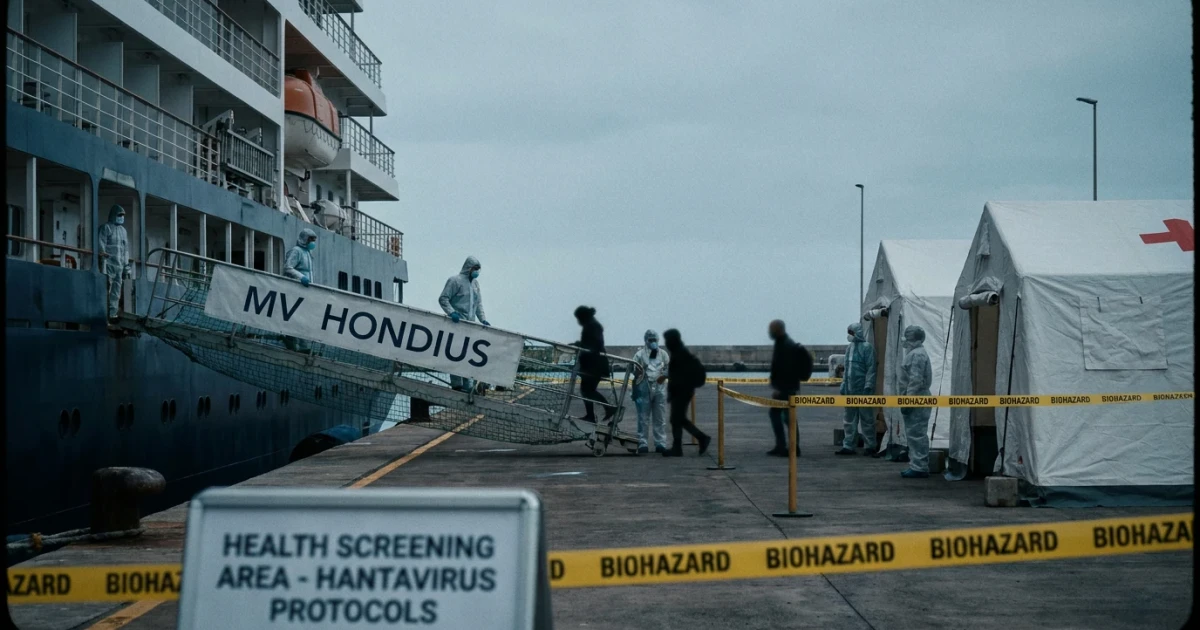
MV Hondius, a cruise vessel recently associated with a hantavirus outbreak, has arrived off the coast of Tenerife, prompting swift public health measures as passengers began disembarking. The event has drawn attention from health agencies and maritime authorities, who are closely monitoring the situation to prevent further spread of the virus.
Arrival and Disembarkation Process
According to ABC7 New York, the MV Hondius anchored near Tenerife early Friday, following reports of several passengers displaying symptoms consistent with hantavirus infection. Local officials collaborated with onboard medical staff to facilitate a controlled disembarkation, prioritizing symptomatic individuals for immediate medical evaluation. Passengers were screened and guided through designated health checkpoints before entering the port facilities.
- The MV Hondius is a modern expedition cruise ship, known for polar and Atlantic itineraries.
- Health authorities responded within hours, deploying rapid assessment teams to the dock.
- Disembarkation was staggered to reduce crowding and ensure proper screening for all passengers.
Hantavirus Background and Risks
Hantavirus is a rare but potentially serious viral infection transmitted primarily by rodents. The virus can cause hantavirus pulmonary syndrome, which manifests as fever, muscle aches, and respiratory distress. Outbreaks on cruise ships are unusual, but confined settings can amplify transmission risk if proper hygiene and containment measures are not in place.
Global surveillance data from the CDC shows that hantavirus cases are infrequent, with most outbreaks occurring in rural areas where rodent exposure is higher. The World Health Organization notes that while human-to-human transmission is rare, close contact in enclosed environments can pose a risk, particularly during outbreaks.
Public Health Response
Upon arrival, authorities on Tenerife implemented strict protocols, including quarantine zones for those suspected of infection. Medical teams conducted initial assessments, with plans to transfer critical cases to local hospitals for further care. Passengers were provided information about transmission routes and symptoms, and were advised to monitor their health over the coming days.
- Quarantine procedures have been enacted for symptomatic passengers.
- Local health officials are collaborating with international agencies to track potential spread.
- Medical care is being prioritized for those showing signs of respiratory distress.
Ongoing Monitoring and Analysis
The situation aboard the MV Hondius remains under scrutiny, with health officials analyzing possible sources of the outbreak and reviewing onboard protocols. Epidemiologists are investigating whether the virus was contracted ashore or during the voyage, and are collecting samples for laboratory confirmation. The CDC and WHO continue to update guidance as new information emerges, advising the public and travelers on best practices for prevention and reporting.
This incident highlights the importance of vigilance in travel settings, especially when rare infectious diseases are involved. As more passengers disembark and undergo screening, authorities emphasize the need for continued monitoring and rapid response to ensure containment and minimize risk to the broader community.
Looking Ahead
With the MV Hondius now docked and passengers beginning to return home, health officials will track potential secondary cases and support ongoing epidemiological investigations. The cruise industry, meanwhile, faces renewed calls to strengthen onboard health measures and ensure rapid reporting of any unusual illness clusters. The outcome of this incident will likely inform future protocols for disease control in maritime settings.