World
Myanmar exiles bring Burmese cuisine to the world stage
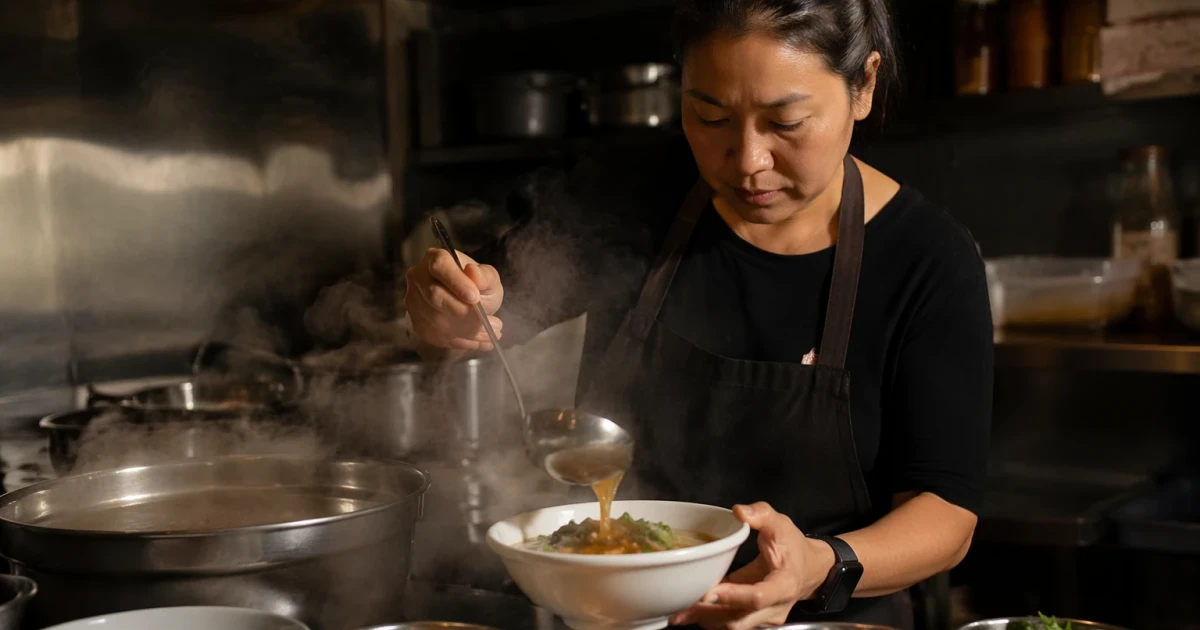
A bowl of mohinga now carries more than breakfast in the Burmese diaspora. After Myanmar’s military seized power on February 1, 2021, the country slid into a crisis that the UN says left 19.9 million people needing aid and about 3.5 million internally displaced. Abroad, exiled chefs have turned restaurants and pop-ups into public testimony, making Burmese food visible while explaining what the coup has done to the country.
Food as a record of displacement
Myanmar’s cuisine is built around everyday staples, but in exile those same dishes now function as a kind of civic archive. Rice anchors the table; curries and soups do much of the rest; ngapi, the fermented fish paste Britannica identifies as a Myanmar condiment, carries the sharp depth that gives many dishes their signature edge. In the diaspora, that familiar base has become a way to preserve memory in places where Burmese food was once barely known.
The restaurant room matters as much as the recipe. Chef Trish, the founder of Bamama Cooks, was preparing to open a restaurant when the coup upended her life; she fled to Thailand and began using food to bring fellow refugees together. In Houston, Suu Khin turned Burmalicious from a blog and Instagram project into a pop-up business that introduced diners to Burmese flavors and carried her into James Beard semifinalist territory. Both stories show the same pattern: migration did not end the work, it changed the audience.
What belongs on a Burmese table
Burmese food has a recognizably national identity even when it travels. Mohinga is widely treated as the national dish, while tea leaf salad, known as laphet thoke, sits at the center of the country’s food culture. The list of ingredients that keeps appearing in Burmese cooking is specific and durable: rice, curries, soups, fermented tea leaves, ngapi, lemongrass, peanuts and dried shrimp. That combination gives the cuisine enough structure to survive translation without losing its accent.
Those ingredients also explain why Burmese food travels so well in exile. It is a cuisine of layered textures and controlled contrast, where salty, sour, spicy and fermented notes sit beside the mildness of rice. Flora Aye, a 40-year-old vegan chef from Myanmar working in Bangkok, uses rice salad classes to share that heritage with students, showing how a dish can carry family memory, not just flavor. That is cultural preservation, but it is also political witness: each plate says where people came from and what forced them to leave.
Tea leaf salad is becoming heritage
Tea leaf salad has moved beyond the dining table into heritage politics. The Myanmar Tea Association and the Ministry of Religious Affairs and Culture are working through the UNESCO nomination process for green tea culture, and the Ministry of Information says the country is preparing the required ICH-02 materials, including consent letters and videos. Official Myanmar commentary also emphasizes a striking claim: Myanmar is the only country where tea is eaten as a salad.
The dish’s ingredients underline why it carries that cultural weight. Official Myanmar sources describe tea leaf salad as a mix of green tea leaf, vegetables, crunchy beans, peanuts, sesame, fried shallots, dried shrimp, garlic and chilies. That is more than a recipe list. It is an argument that a displaced people can still insist on the distinctiveness of their own tastes, and that a country under military rule can still project culture through a dish the outside world is only now learning to name.
Why exile kitchens matter to governance
The humanitarian figures behind this food movement are severe. The 2025 Humanitarian Needs and Response Plan says 19.9 million people in Myanmar need assistance, including 15.2 million facing acute food insecurity, while about 3.5 million remain internally displaced. The same UN update says humanitarian partners reached 1.5 million people in the first quarter of 2025, but the response was still only 12 percent funded in the June update, a reminder that the state crisis is larger than any single community project can absorb.
That gap helps explain why food has become one of the diaspora’s sharpest instruments of soft power. It does not replace aid, accountability or a political settlement, but it does keep Myanmar legible to outsiders at a moment when war, displacement and censorship could otherwise flatten the country into abstraction. Chefs, like exiled journalists and activists working from Thailand and elsewhere, are extending the same struggle by different means: they are keeping a national story public after the regime tried to close it down.
What diners learn from these kitchens is not just what Myanmar tastes like. They learn that conflict rearranges a country’s global image, and that a refugee restaurant can become a place where culture survives long enough to testify.
Sources
- [1]nytimes.com
- [2]myanmar.un.org
- [3]news.un.org
- [4]gnlm.com.mm
- [5]moi.gov.mm
- [6]shantitravel.com
- [7]starchefs.com
- [8]english.dvb.no