World
Myanmar junta chief visits Thailand to seek regional legitimacy
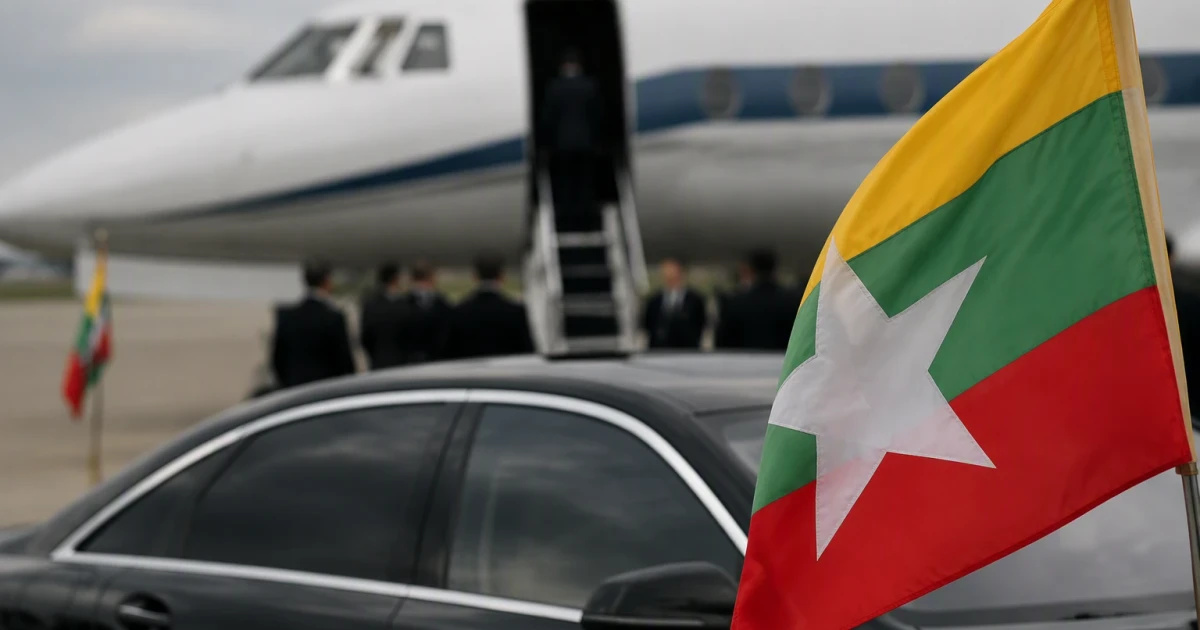
Min Aung Hlaing arrived in Thailand on Aug. 6 for a two-day visit that is designed to shore up the standing of Myanmar’s military-backed government. The trip comes more than five years after he seized power from an elected civilian government, and it gives the junta chief turned president a chance to project normal state behavior while Myanmar remains under sanctions, armed resistance and sharp international criticism.
Thailand matters because it is one of Myanmar’s most important neighbors, sharing a long border, key trade routes and large cross-border populations. Ahead of the meeting, Thai Prime Minister Anutin Charnvirakul urged “calibrated re-engagement” with Myanmar, signaling that Bangkok sees value in keeping channels open even as the visit draws scrutiny. The two leaders also met at the Thai Khu Fah Building to discuss cross-border issues, a setting that underscored how border stability, refugee flows, trade and security concerns shape Thailand’s approach.
For Min Aung Hlaing, the symbolism is as important as the substance. A high-level reception in Bangkok can be used to argue that Myanmar still has partners willing to treat its military leadership as a legitimate interlocutor in regional affairs. That is why critics have pressed Thailand to use the visit to demand civilian protection and accountability rather than normalizing a government that has presided over a deepening civil conflict. Fortify Rights said Thailand should use the visit to press the military regime on those issues and expand political engagement with democratic alternatives.
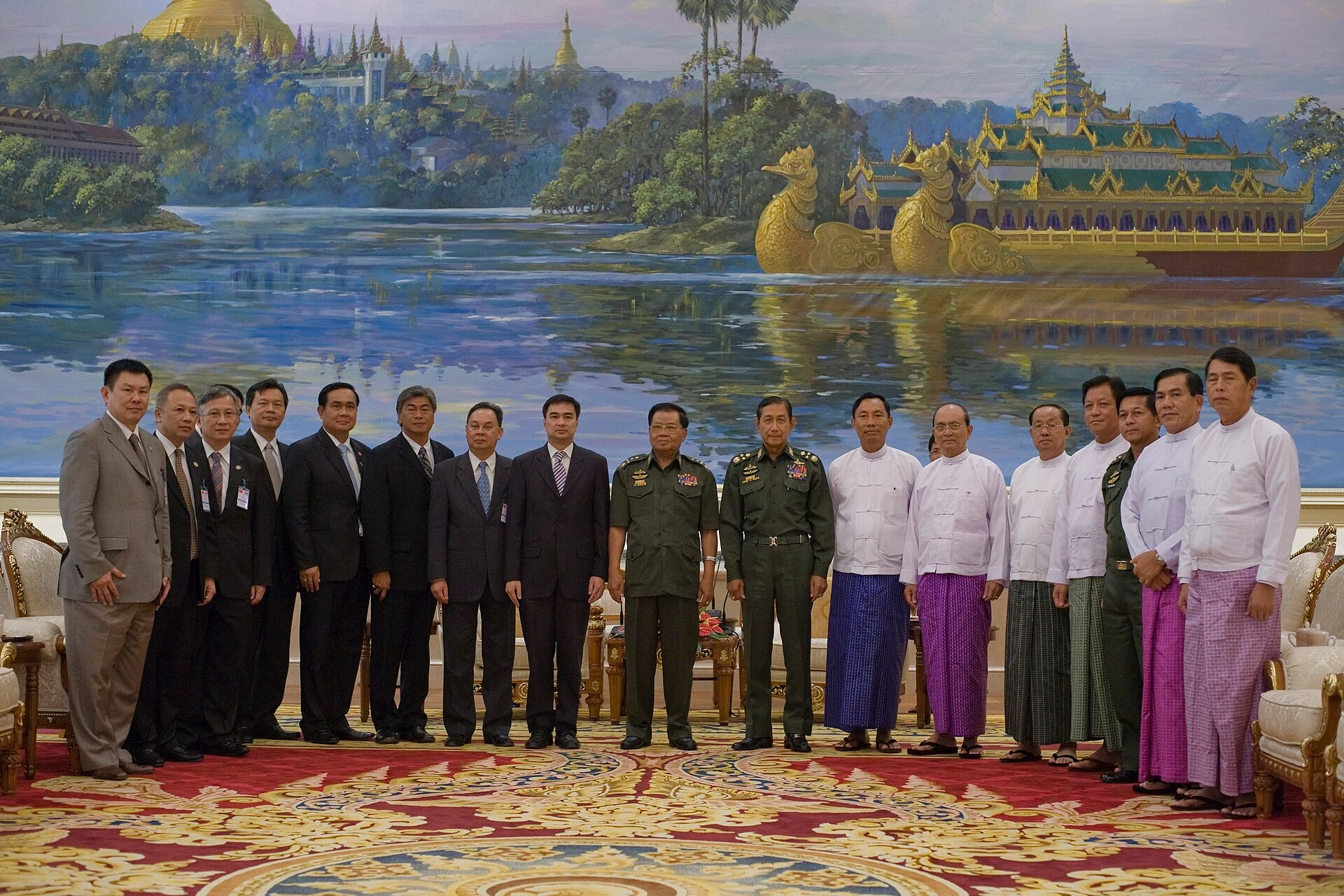
The visit also exposes ASEAN’s fractured response to Myanmar. The bloc has relied on its Five-Point Consensus as its main reference for the crisis, but Myanmar’s military-appointed parliament has voted to reject it, widening the gap between regional diplomacy and the junta’s position. Thailand has remained central to ASEAN’s attempts to re-engage Myanmar, yet the bloc has struggled to present a unified line between engagement and isolation.
Myanmar’s modern political crisis has roots in its long history of military rule after independence from Britain in 1948, but the 2021 coup triggered a civil war and a humanitarian emergency that still shapes every regional calculation. The Council on Foreign Relations updated its Myanmar civil war tracker on July 29, 2026, and Amnesty International’s 2025 Myanmar report said armed conflict escalated further, with a record number of air strikes and worsening civilian suffering. In that context, even a carefully staged diplomatic visit in Bangkok can carry real weight for the junta’s effort to look indispensable, despite its contested rule at home.
Sources
- [1]apnews.com
- [2]reuters.com
- [3]fortifyrights.org
- [4]channelnewsasia.com
- [5]cfr.org
- [6]amnesty.org
- [7]bbc.com