World
Myanmar think tank demands release of scholar detained in China
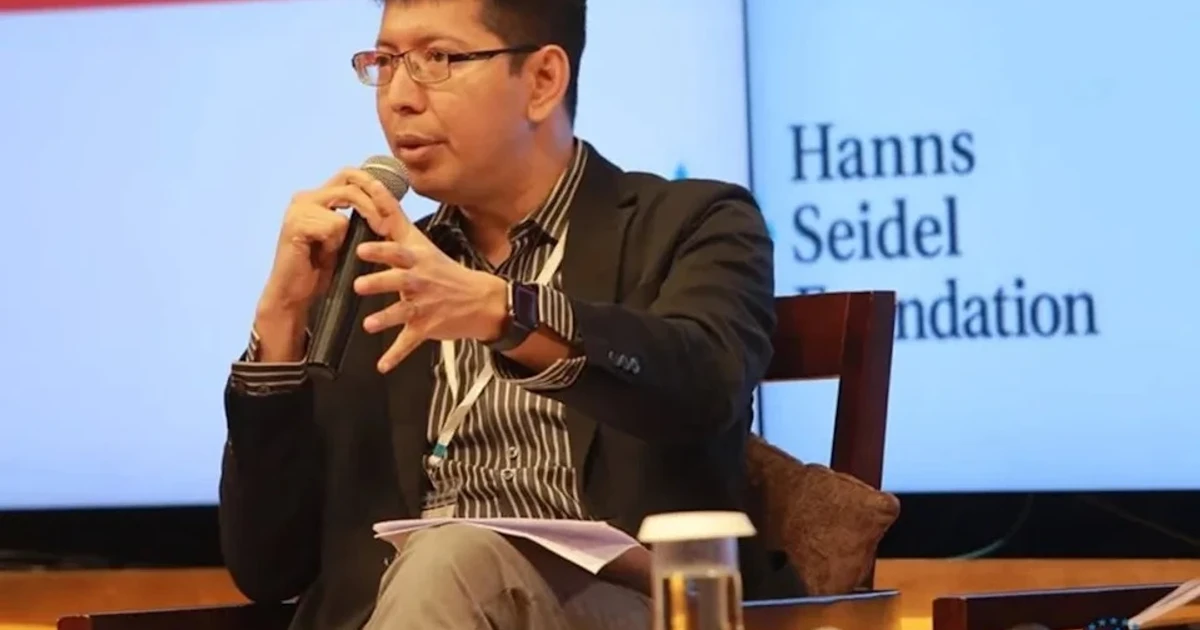
A Myanmar think tank is demanding the release of its founder after Chinese authorities detained him in Kunming while he was traveling to attend an academic workshop. The case has quickly become more than a consular dispute: it highlights the risks facing scholars who study China, Myanmar and regional conflict, especially when those subjects collide with national security concerns.
ISP-Myanmar said Min Zin had gone to Kunming solely for the workshop and called for his immediate and unconditional release. China’s foreign ministry said he was suspected of espionage and endangering Chinese national security, and later repeated that the matter would be handled according to law. The detention took place on June 3, according to reporting cited by multiple outlets, and China said it had notified the United States.
Min Zin is not a marginal academic figure. He is a former participant in Myanmar’s 1988 democracy movement, studied at the University of California, Berkeley, and helped establish ISP-Myanmar, which relocated overseas after Myanmar’s 2021 military coup. That coup ousted Aung San Suu Kyi’s elected government, triggered mass protests and later hardened into a nationwide armed uprising. ISP-Myanmar’s work on Myanmar’s conflict, economic collapse and ties with China places it squarely in one of the region’s most sensitive policy arenas.
The timing has added to the significance of the case. Min Zin was detained just weeks before Min Aung Hlaing began a five-day visit to China on June 15 at the invitation of Xi Jinping. China remains one of Myanmar’s most important foreign partners, and Beijing’s handling of the detention underscores how tightly it manages politically sensitive issues involving Myanmar’s military leadership, the country’s internal conflict and cross-border research.
For Washington, the case brings a familiar but serious concern into sharper focus. The U.S. State Department said officials were aware of the detention and had been notified by China. Under normal consular procedures, detained U.S. citizens abroad can ask that their embassy or consulate be informed, a safeguard that now sits in the middle of a broader argument over how freely American researchers can move, meet and work in China when their scholarship touches on security, politics or bilateral relations.
Sources
- [1]usnews.com
- [2]irrawaddy.com
- [3]freemalaysiatoday.com
- [4]internazionale.it
- [5]travel.state.gov
- [6]ispmyanmar.com