World
Myanmar’s civil war drives record displacement, UN says crisis deepens
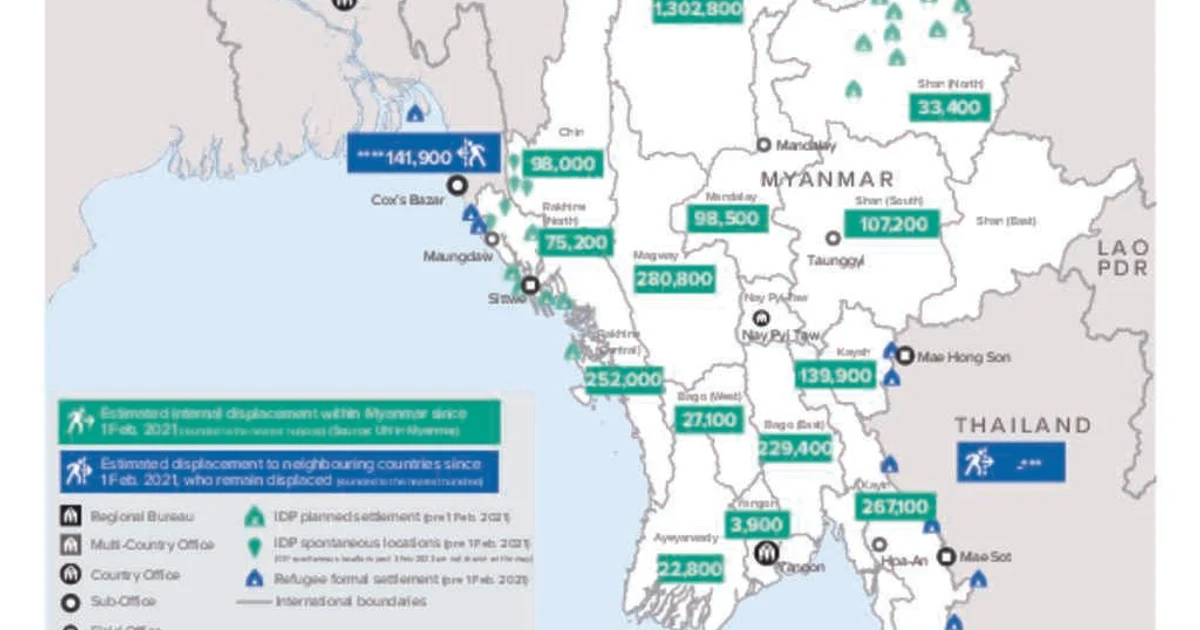
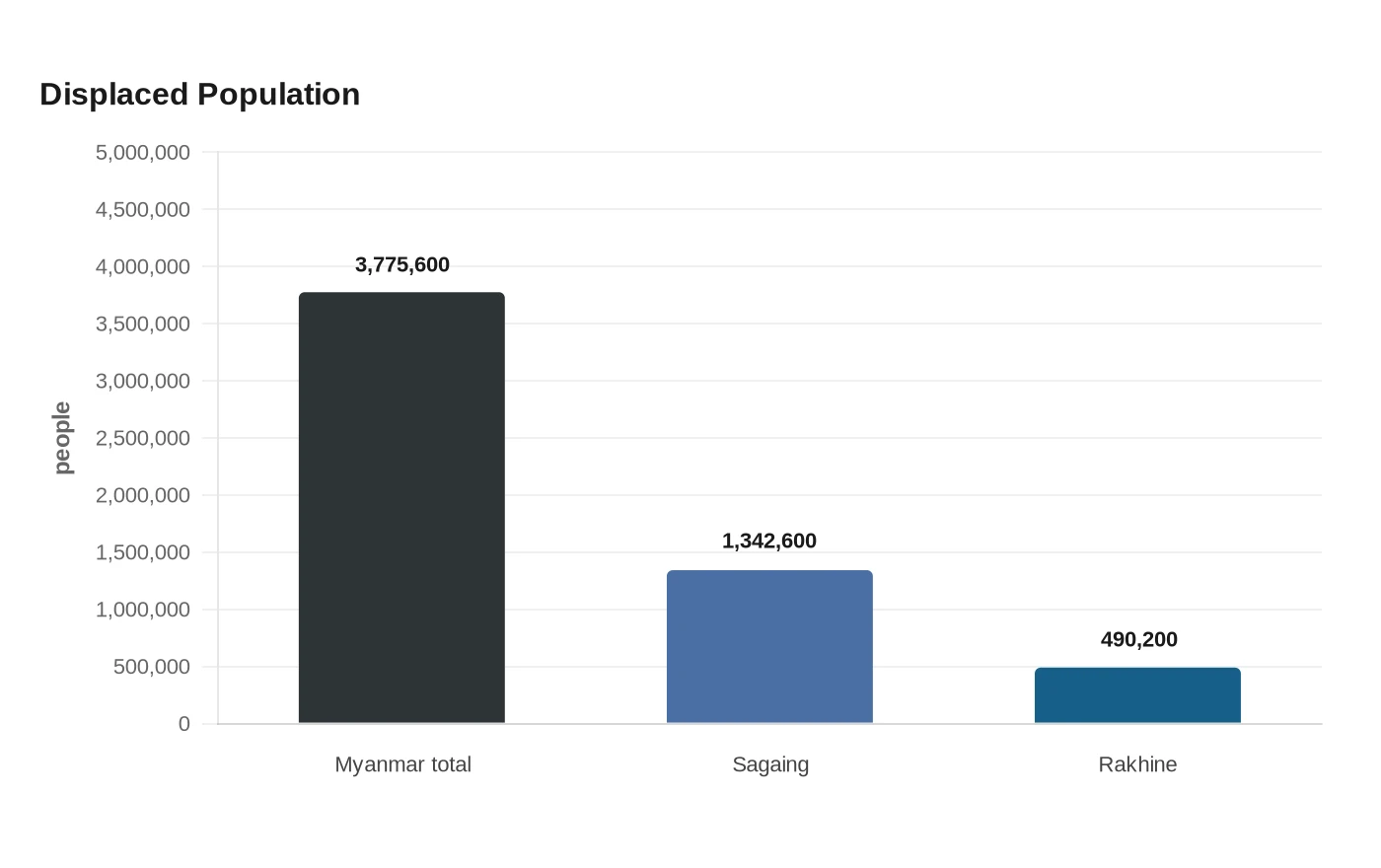
Myanmar’s displaced population reached 3,775,600 by June 8, with Sagaing Region alone accounting for 1,342,600 people, or 35.6% of the total. UNHCR counted the country’s overall population of concern at 4,485,161, while Rakhine State accounted for another 490,200 displaced people as the war widened across the country’s central belt and western frontier.
The conflict began when the military seized power on February 1, 2021, triggering nationwide armed resistance and a prolonged civil war that has fractured Myanmar into overlapping battle zones. The Tatmadaw is still fighting the National Unity Government, the parallel anti-junta administration formed by ousted lawmakers, alongside People’s Defence Forces and ethnic armed organizations. Humanitarian conditions inside Myanmar have deteriorated since the coup, with access for aid agencies still constrained in many areas.
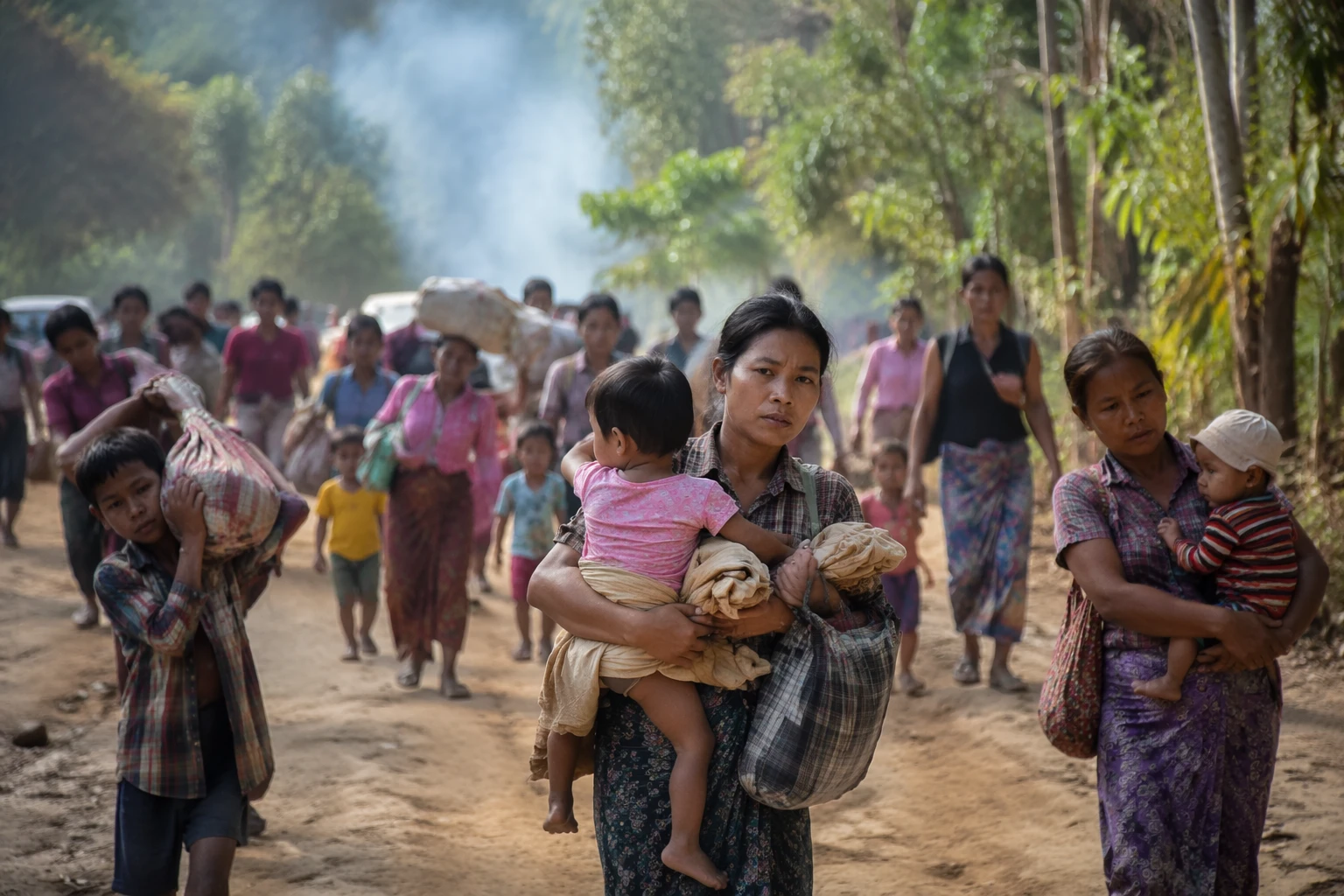
The displacement surge accelerated in 2024, when intense fighting drove the number of internally displaced people up 35% from 2.6 million at the end of 2023 to 3.5 million by the end of 2024. UNHCR’s 2025 outlook projected that fighting had intensified across several parts of Myanmar, disrupting fragile livelihoods and basic services. The United Nations ranked Myanmar second globally for conflict intensity in the first half of 2025 and fourth most dangerous country for civilians, with more than half the population exposed to conflict.
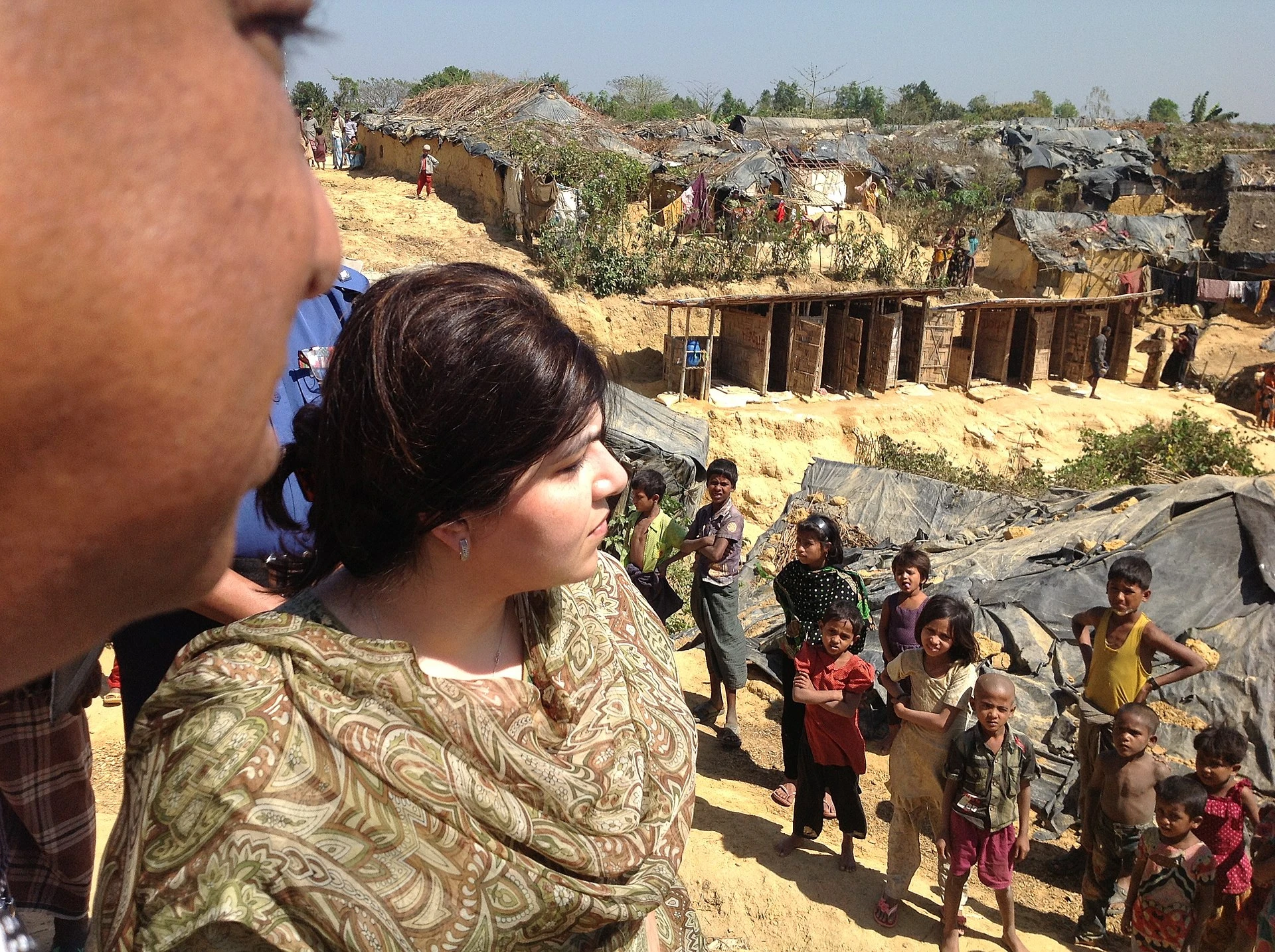
A March 2025 earthquake struck central Myanmar, compounding the damage from a war already draining food, shelter and medical care from millions of people. Human Rights Watch ranked Myanmar at the top of the global list of landmine casualties in 2023 and recorded 889 civilian casualties from landmines and explosive remnants of war in the first nine months of 2024, including 245 children.
Regional concern has also sharpened along Myanmar’s borders with China, Bangladesh, India and Thailand. Chinese officials have tried to broker ceasefires in 2024 and 2025 to reduce instability near China’s long frontier with Myanmar, while UNHCR has urged states to admit civilians fleeing the conflict and uphold non-refoulement.
Sources
- [1]nytimes.com
- [2]unhcr.org
- [3]data.unhcr.org
- [4]un.org
- [5]unocha.org
- [6]hrw.org
- [7]ohchr.org
- [8]bcfausa.org