World
Myanmar’s landmine crisis surges after coup, children among victims
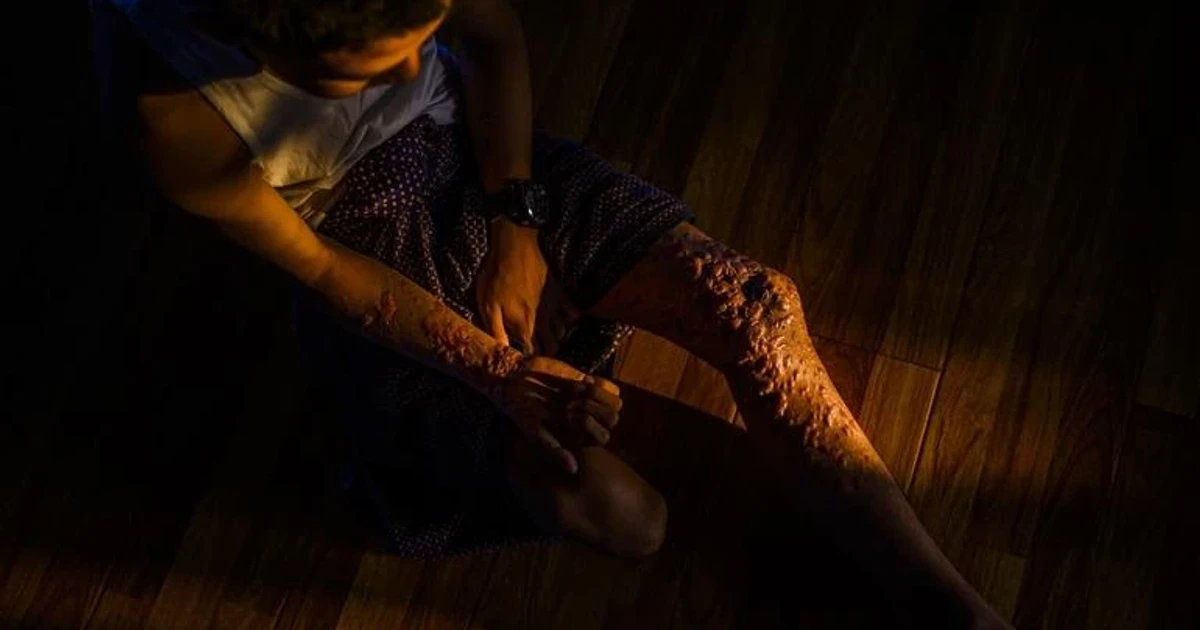
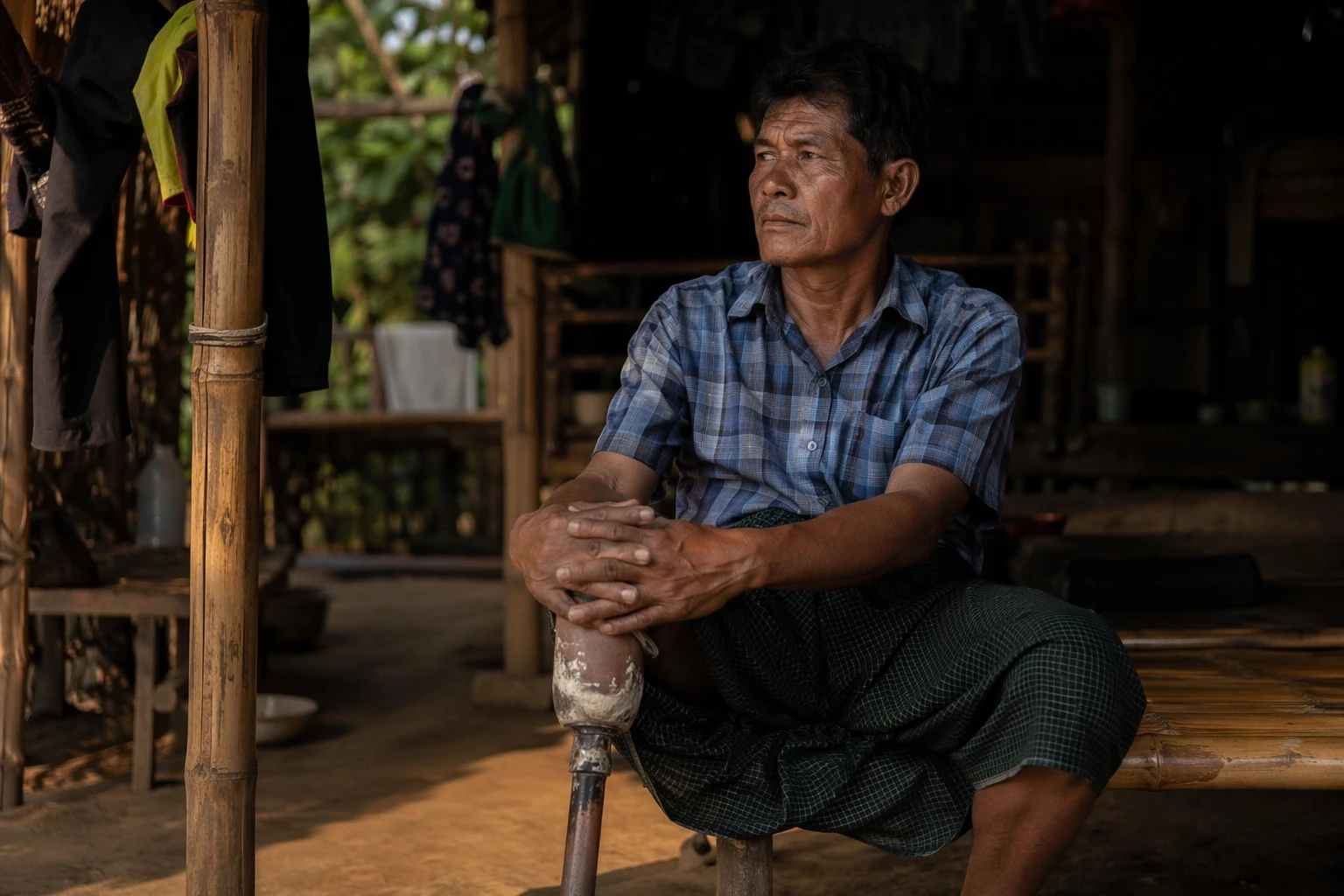
Bu Ri lost a leg to a mine in Myanmar decades ago, but the injury did not end with him. Six other members of his family have since suffered similar fates or worse, a grim portrait of how land mines keep maiming civilians long after battles move on.
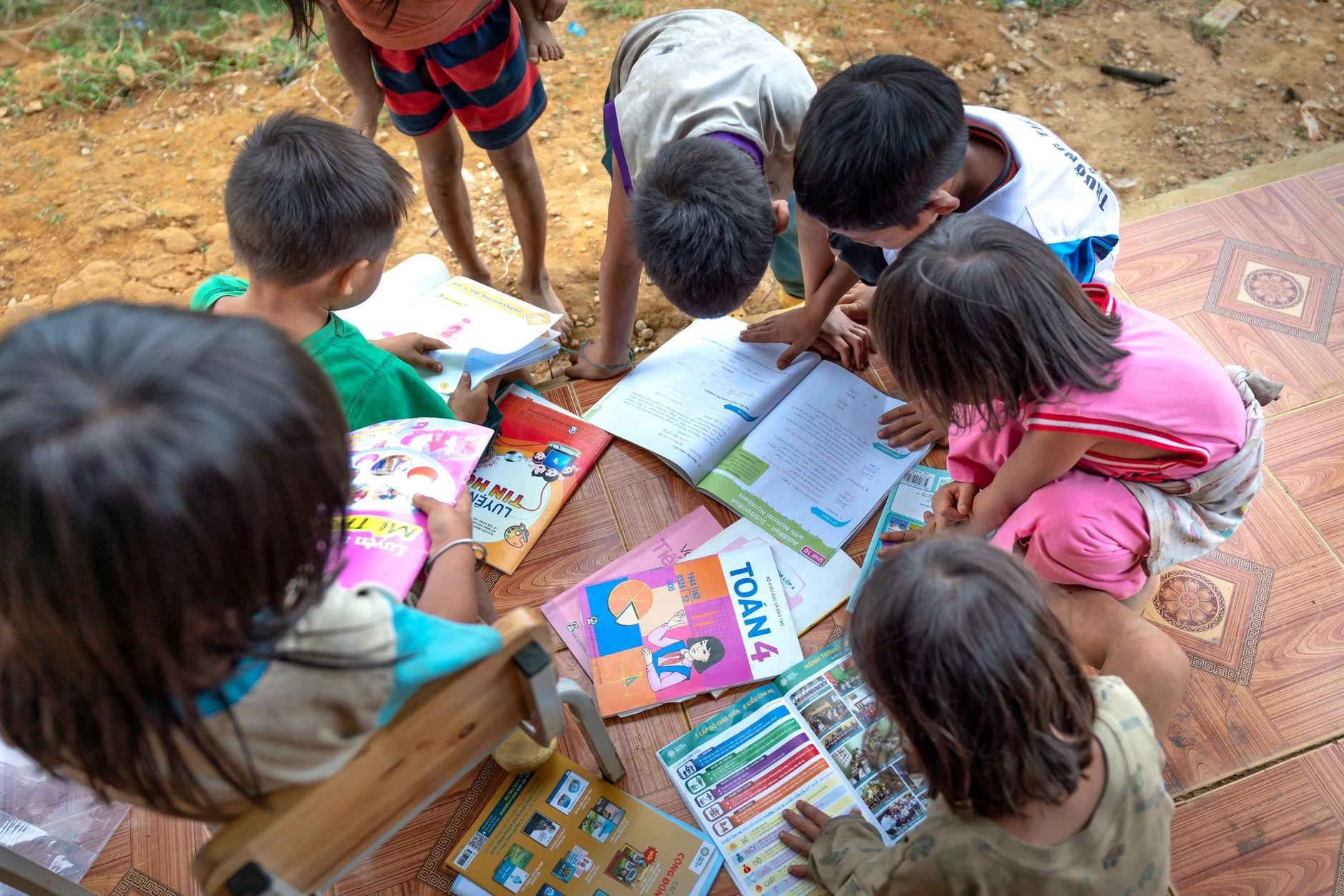
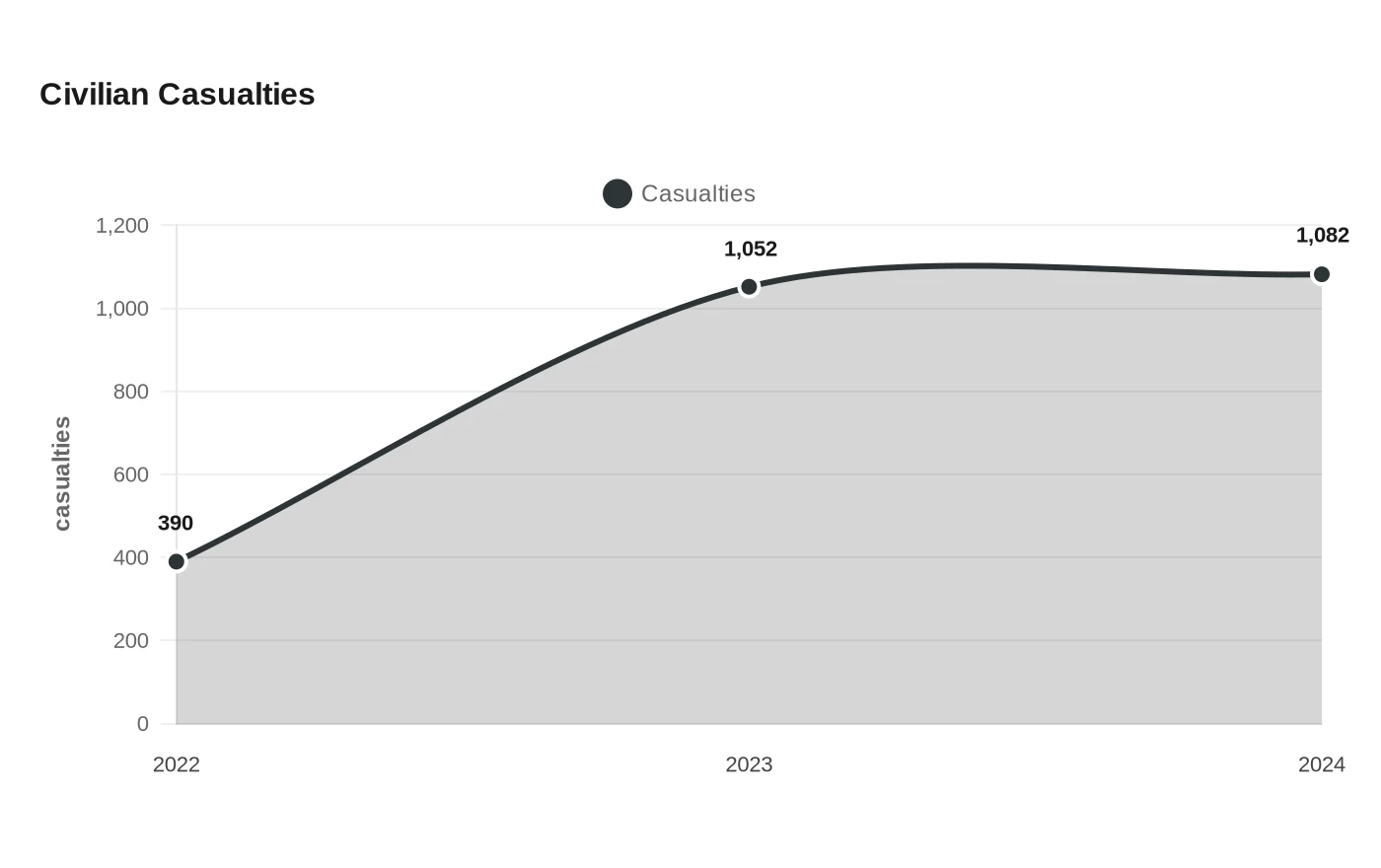
The scale has widened sharply since the 2021 military coup. UNICEF said Myanmar recorded 1,052 verified civilian casualties from landmine and explosive ordnance incidents in 2023, nearly triple the 390 recorded in 2022, and more than 20 percent of the victims were children. The crisis is now spreading into everyday life in towns and villages where farmers, children and returning families cannot know whether a path, field or roadside has been seeded with explosives.
The contamination is no longer limited to isolated front lines. The Landmine and Cluster Munition Monitor said Myanmar documented casualties in all 14 states and regions for the first time, with mines and explosive remnants of war affecting about 60 percent of the country’s townships. It said Myanmar had no official mechanism to collect data on mine and explosive ordnance casualties, a gap that leaves many deaths and injuries uncounted and makes clearance harder to target.
The toll only rose in 2024. UNICEF said the first nine months of the year brought 889 casualties nationwide, and its full-year factsheet later put the total at 1,082. Human Rights Watch said Myanmar’s military forces were increasingly using banned antipersonnel landmines and that Myanmar was one of only four states actively using antipersonnel mines in the past year. The group said the actual numbers were likely much higher because of the lack of official tracking.
In November 2024, United Nations experts said Myanmar had the world’s largest number of landmine and unexploded ordnance casualties. They also warned that amputees were facing harassment, blockades and barriers to prosthetics and other support, deepening the damage for survivors who must live with injuries and little access to care. UNICEF and UN officials have said the use of landmines is reprehensible and can violate international humanitarian law. For families like Bu Ri’s, the war’s most enduring weapon remains active, hidden in the ground, and ready to strike the next child, farmer or returning civilian.
Sources
- [1]nytimes.com
- [2]unicef.org
- [3]hrw.org
- [4]ohchr.org
- [5]the-monitor.org
- [6]myanmar.un.org