Technology
MySpace fans want a nostalgic comeback, not algorithm-driven feeds
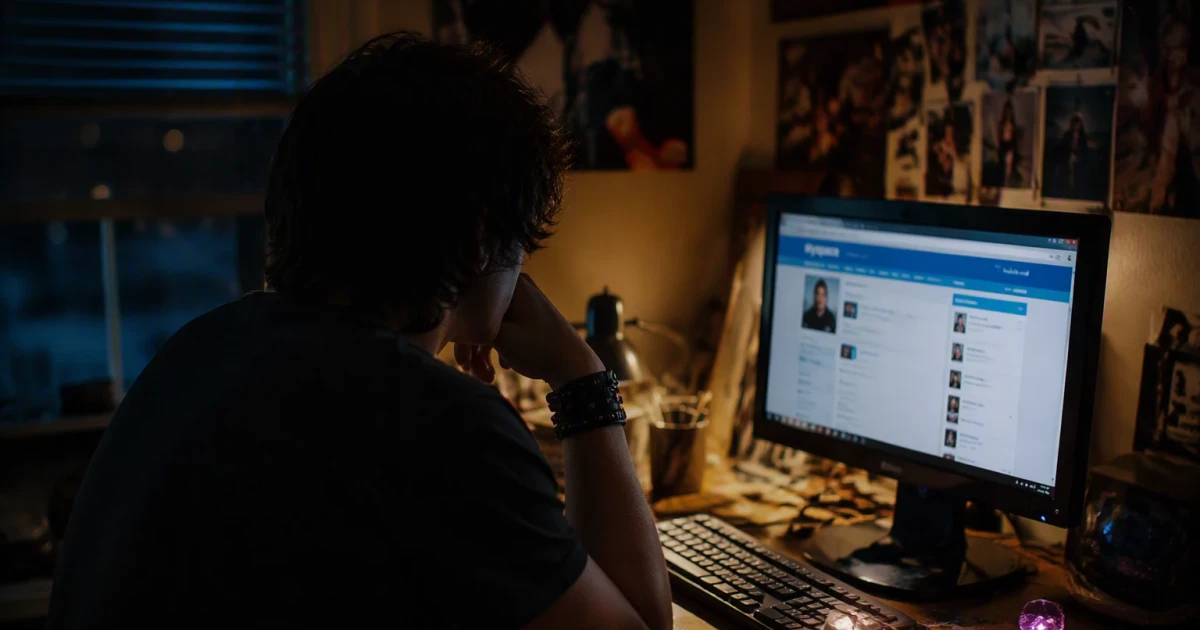
MySpace owners have teased a relaunch, and the reaction online has turned into a test of what people want from social media now. In early August, ABC News, NBC New York, Fox Business and KCRA all picked up the latest chatter around the Vanderhook brothers, with fans focusing less on a polished reboot than on the site’s old custom profiles, music pages and rawer feel.
The money trail tells the story of the platform’s rise and fall. MySpace launched in 2003 and became one of the defining social networks of the early 2000s, then News Corp bought it in 2005 for $580 million. By 2011, it had been sold for $35 million, a collapse that became shorthand for how quickly social media shifted from identity-driven pages to feed-based networks built around engagement.
That is why the current buzz has landed as more than nostalgia. Yahoo Tech said on July 23 that Tim Vanderhook and Chris Vanderhook were arguing the algorithm-driven internet leaves room for something different. The Source followed on July 31 with a report that the owners were teasing a comeback, and early August coverage quoted them as saying they were "just waiting for the right time" to relaunch. E! Online added that the reboot would come without Tom Anderson, the site’s original face.
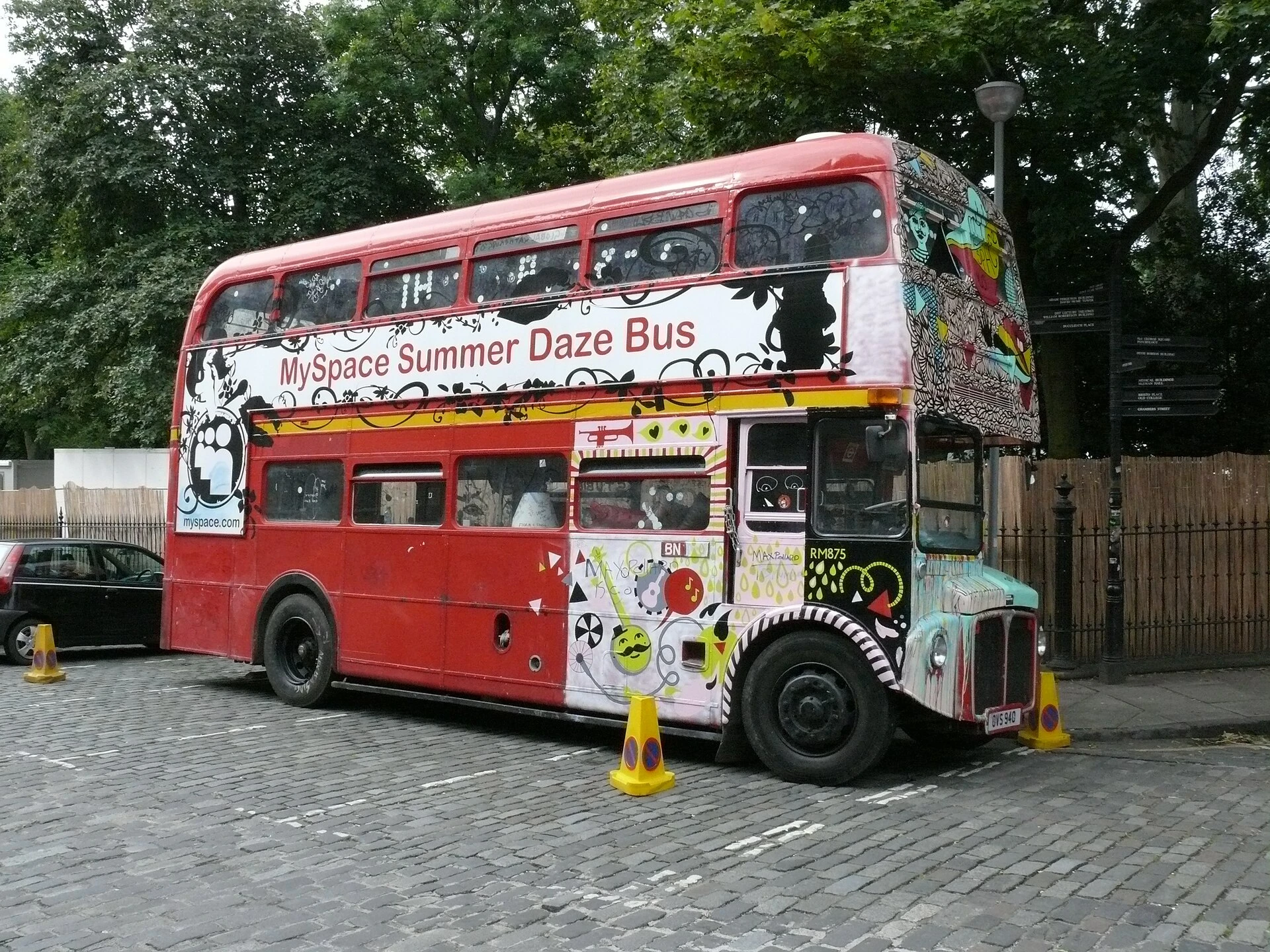
Fans responding online have not been asking for a clone of modern social platforms. They have pointed back to customizable profiles, music integration and the looser, more personal atmosphere that made MySpace feel like an extension of identity rather than a content machine. That distinction matters in a market where major platforms increasingly organize posts by engagement signals instead of chronology or user choice.
MySpace has tried to reinvent itself before. In 2012, it rolled out a major redesign and relaunch effort with a strong music focus and Justin Timberlake’s involvement, but none of those attempts restored its former dominance. The site still exists online today, and the latest attention suggests its name retains value as a symbol of a web that felt smaller, stranger and more under the user’s control.
Sources
- [1]bbc.co.uk
- [2]thesource.com
- [3]tech.yahoo.com
- [4]usatoday.com
- [5]longisland.news12.com
- [6]foxbusiness.com
- [7]nbcnewyork.com
- [8]kcra.com
- [9]al.com
- [10]eonline.com
- [11]morningbrew.com
- [12]bbc.com