Technology
Mythos AI Raises Concerns in Global Cybersecurity Community
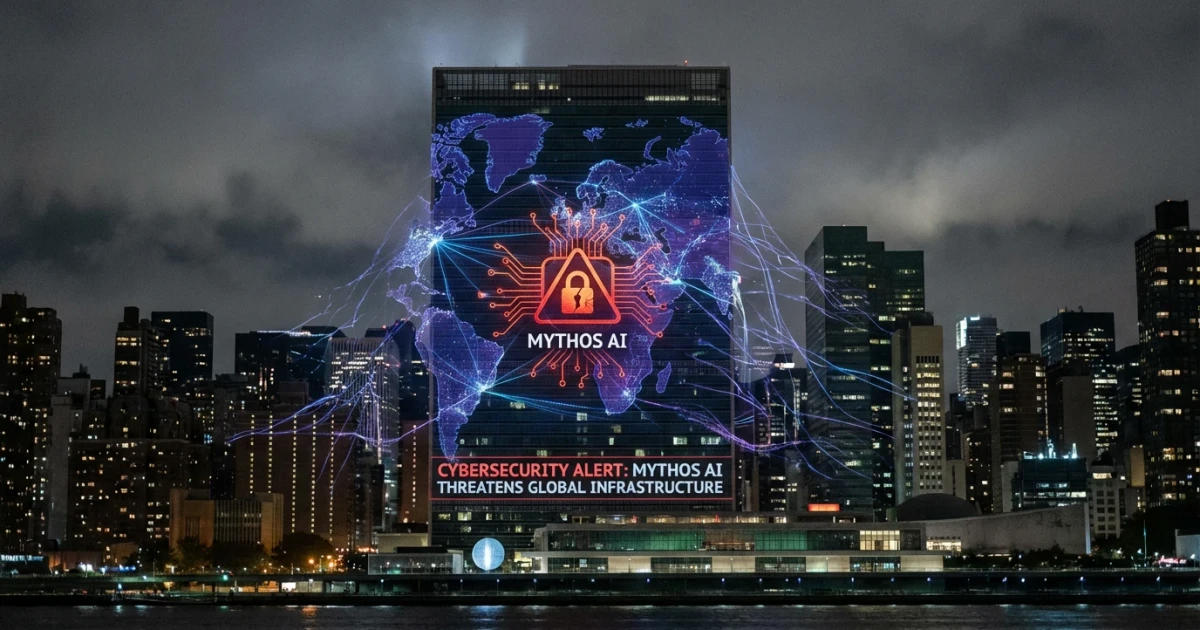
Mythos AI, a newly identified artificial intelligence system, is capturing the attention of cybersecurity specialists and government agencies worldwide due to its potential to disrupt critical infrastructure and digital security ecosystems. As reported by The Guardian, experts are closely monitoring the development and deployment of Mythos AI, citing its advanced capabilities and the risks it may pose if misused.
Understanding Mythos AI
Mythos AI is described as a powerful, adaptable artificial intelligence tool capable of automating complex cyber operations. While details about its full range of features remain limited, early analysis suggests it can perform activities such as penetration testing, vulnerability scanning, and even autonomous network infiltration. This level of sophistication sets it apart from previous AI tools, which have traditionally focused on defensive security functions.
Potential Threats to Critical Infrastructure
One of the main concerns surrounding Mythos AI is its potential use against critical infrastructure. According to ongoing risk assessments by the U.S. Cybersecurity and Infrastructure Security Agency (CISA), advanced AI systems can accelerate cyberattacks on essential sectors like energy, finance, healthcare, and transportation. If Mythos AI were to fall into the wrong hands, experts warn that it could enable threat actors to:
- Identify and exploit vulnerabilities in industrial control systems
- Bypass traditional cybersecurity defenses through adaptive learning
- Coordinate large-scale attacks with minimal human intervention
These capabilities align with recent trends highlighted by the ENISA Threat Landscape 2023 report, which points to a rise in AI-driven attacks targeting both private and public sector assets worldwide.
Industry Response and Risk Management
Organizations are not unprepared, however. The development of frameworks such as the NIST AI Risk Management Framework provides guidance for evaluating and mitigating the risks posed by advanced AI systems. These frameworks recommend:
- Continuous monitoring of AI system behavior
- Regular security audits using AI-driven and traditional methods
- Collaboration between industry, government, and research institutions
As a result, cybersecurity teams are investing in new detection and response tools designed to counteract AI-powered threats like Mythos AI before they can cause significant damage.
Growing Market and Regulatory Scrutiny
The rise of Mythos AI reflects broader market trends. Data from Statista shows that investment in AI-driven cybersecurity solutions continues to grow, with global spending expected to exceed $50 billion in the coming years. However, with increased adoption comes increased risk, as highlighted by the World Economic Forum's Global Cybersecurity Outlook 2024, which notes a surge in AI-enabled cyberattacks targeting organizations of all sizes.
Regulators are beginning to take notice. The OECD's AI Policy Observatory tracks ongoing efforts by governments to set standards and enforce rules around the development and deployment of AI in cybersecurity contexts.
Looking Ahead
While Mythos AI represents a significant leap forward in artificial intelligence capabilities, its emergence underscores the urgent need for coordinated global action. Governments, industry experts, and the research community are being called upon to strengthen safeguards, share threat intelligence, and develop robust regulatory frameworks to ensure that AI technologies are used responsibly.
As the story continues to evolve, the cybersecurity community will remain focused on balancing innovation with security, seeking to harness the benefits of AI while minimizing the risks posed by advanced tools like Mythos AI.