Technology
N-able to expand India workforce by 50% as Bengaluru hub grows

N-able is shifting more of its cyber-defense work to Bengaluru, opening its first Global Capability Center in India and using the city as a base for engineering, product management, user experience and security operations. The U.S.-based software company said the site already employs more than 100 people and is expected to grow its India workforce by at least 50% by the end of 2026.
The move is more than a hiring push. N-able said the Bengaluru team will help build defensive AI capabilities, including automated threat detection, monitoring and faster response times, tying the expansion directly to the next generation of cyber protection. The company, which provides IT management, cybersecurity and data protection software to more than 500,000 organizations worldwide, is placing a larger share of high-value technical work in India as threats become more automated and the tools used to stop them become more complex.
Chief executive John Pagliuca said Bengaluru was chosen for capability, not just cost, and framed the center as a long-term investment in the company’s foundation. Mike Adler said the center will fast-track work ranging from AI-powered innovation to modernized security operations. That language reflects a broader change in how multinationals view India: not as a back office, but as a strategic base for building core products and operating global platforms.
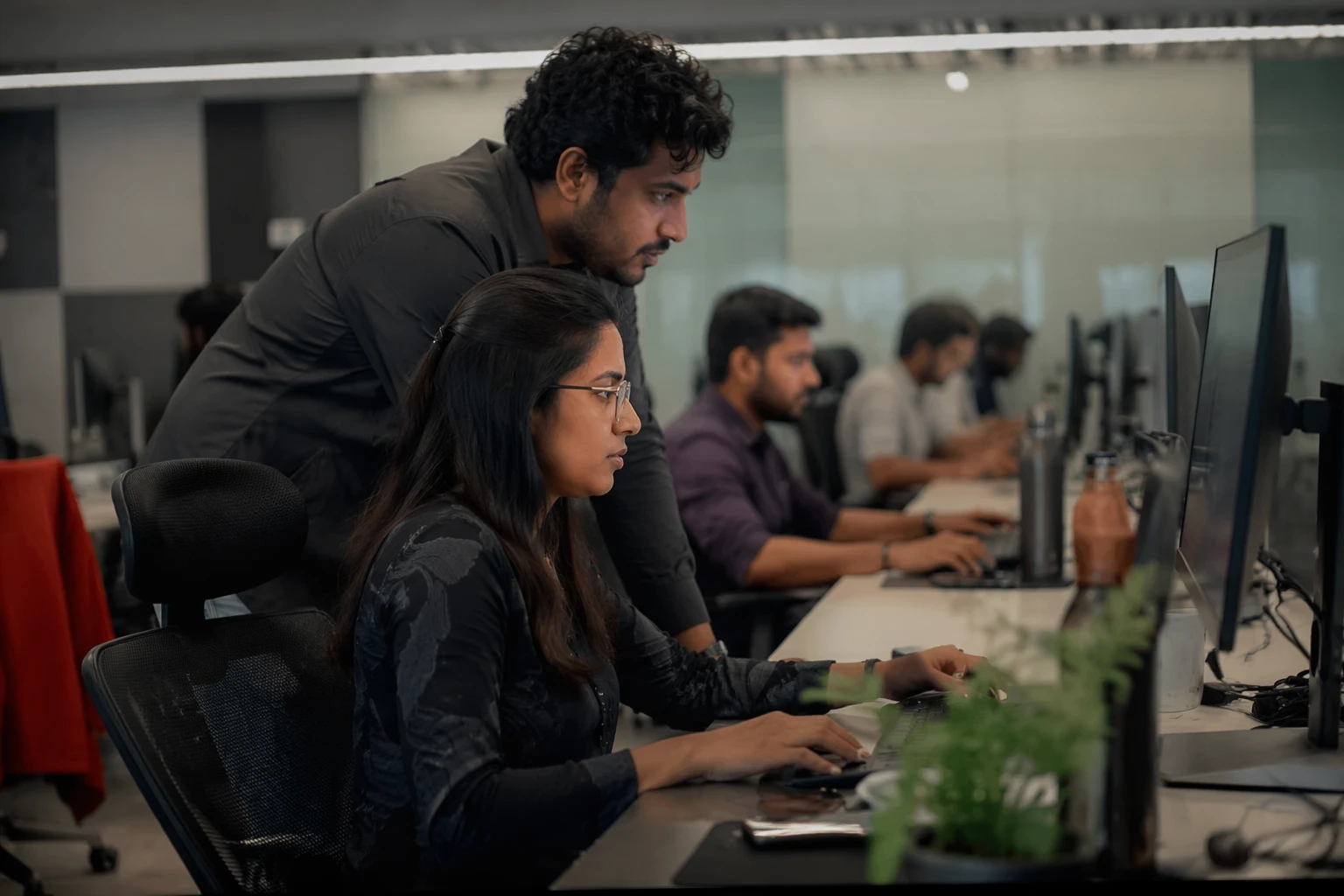
The timing also highlights the pressure inside India’s talent market. The latest Nasscom-Zinnov GCC Landscape report says India now has 2,117 global capability centers across 3,728 units, employing about 2.36 million professionals and generating $98.4 billion in revenue in FY26. Those numbers show why Bengaluru has become so contested: global companies and local tech firms are chasing the same engineers in AI engineering, applied machine learning, cloud security and threat research.
Bengaluru remains the center of gravity. Industry reports say Karnataka hosts around 30% of all GCCs and 32% of GCC talent, while Bengaluru alone accounts for more than 40% of national GCC leasing activity. Hyderabad is gaining ground in AI, semiconductor and engineering work, but Bengaluru still draws the deepest concentration of multinational technical investment.

For N-able, the city’s appeal is straightforward: more talent, deeper specialization and a platform to move cybersecurity work closer to the center of product development. The expansion signals how cyber defense is being redistributed globally, with India taking on a larger share of the work that shapes how software companies detect, respond to and anticipate attacks.
Sources
- [1]finance.yahoo.com
- [2]uk.finance.yahoo.com
- [3]n-able.com
- [4]markets.ft.com
- [5]media.zinnov.com
- [6]financialexpress.com
- [7]dnb.co.in