Sports
Nagelsmann celebra el gol alemán y vuelve al banquillo para ajustar detalles
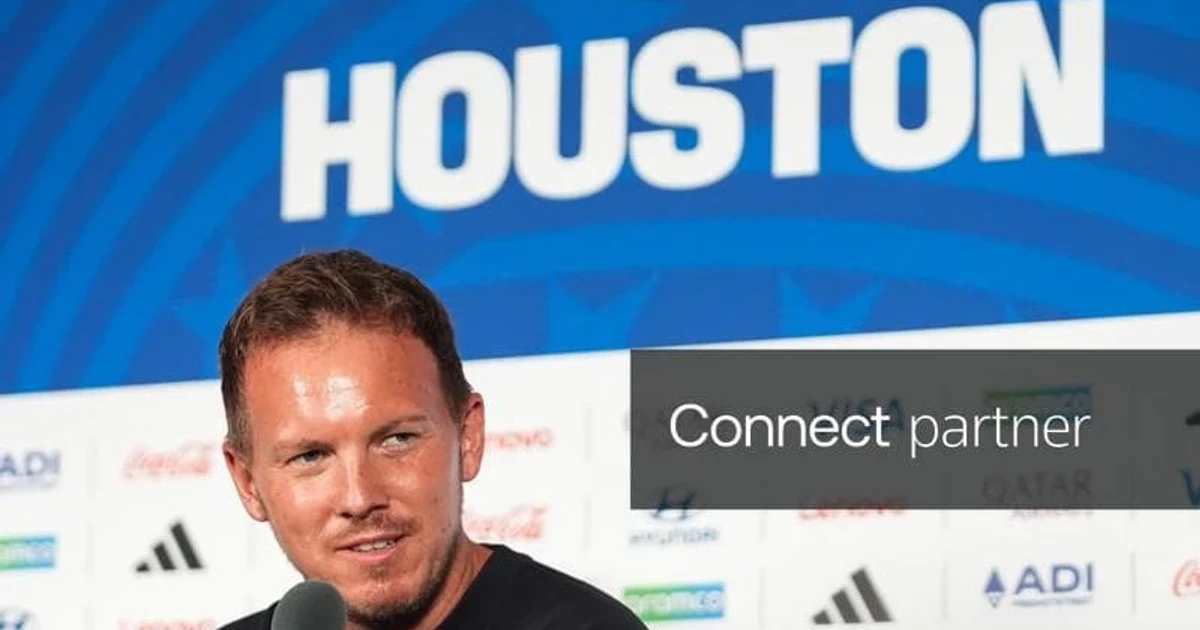
Julian Nagelsmann did not linger on Felix Nmecha’s fifth-minute opener. After celebrating the first German goal and exchanging a few words with Manuel Neuer, the 38-year-old coach quickly returned to the bench, a small but revealing moment in a match that showed how tightly Germany intended to manage every phase of its World Cup start.
The scene came during Germany’s opening Group E match against Curazao at the 2026 World Cup in Houston. Germany struck first through Nmecha in the 5th minute, Curazao responded with an equalizer before halftime, and Germany still reached the break with a 3-1 lead according to live coverage. Nagelsmann’s immediate shift from celebration to instruction fit the stakes of a tournament debut, where one lapse can change the entire picture of a group stage campaign.
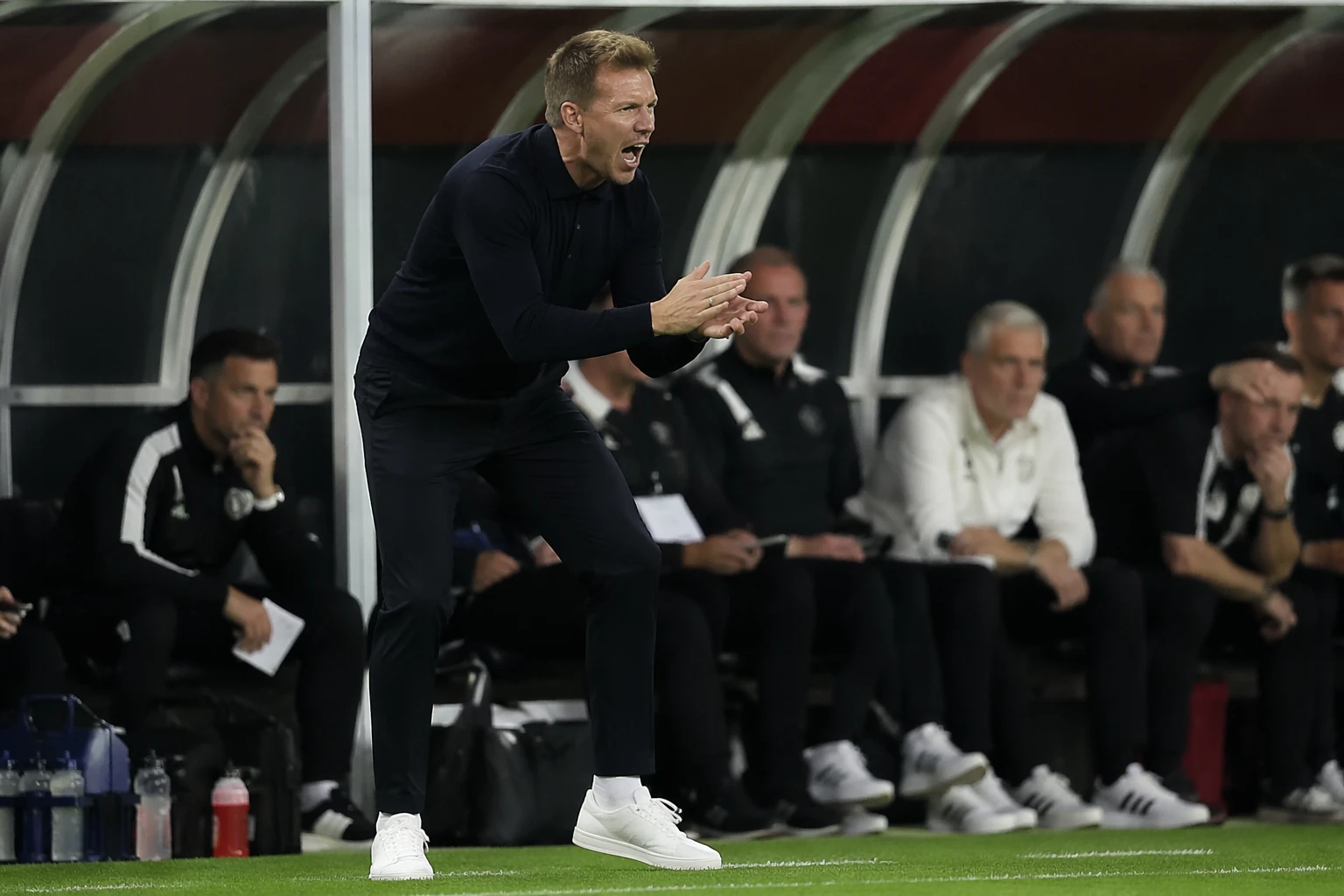
What made the exchange stand out was not only the scoreline but the personnel on the touchline and on the field. Nagelsmann, one of the youngest coaches at the tournament, was managing a Germany side that entered with pressure to start cleanly and impose order early. Across from him stood Dick Advocaat, presented as one of the competition’s most experienced managers, turning the match into a sharp contrast of generations as much as styles.
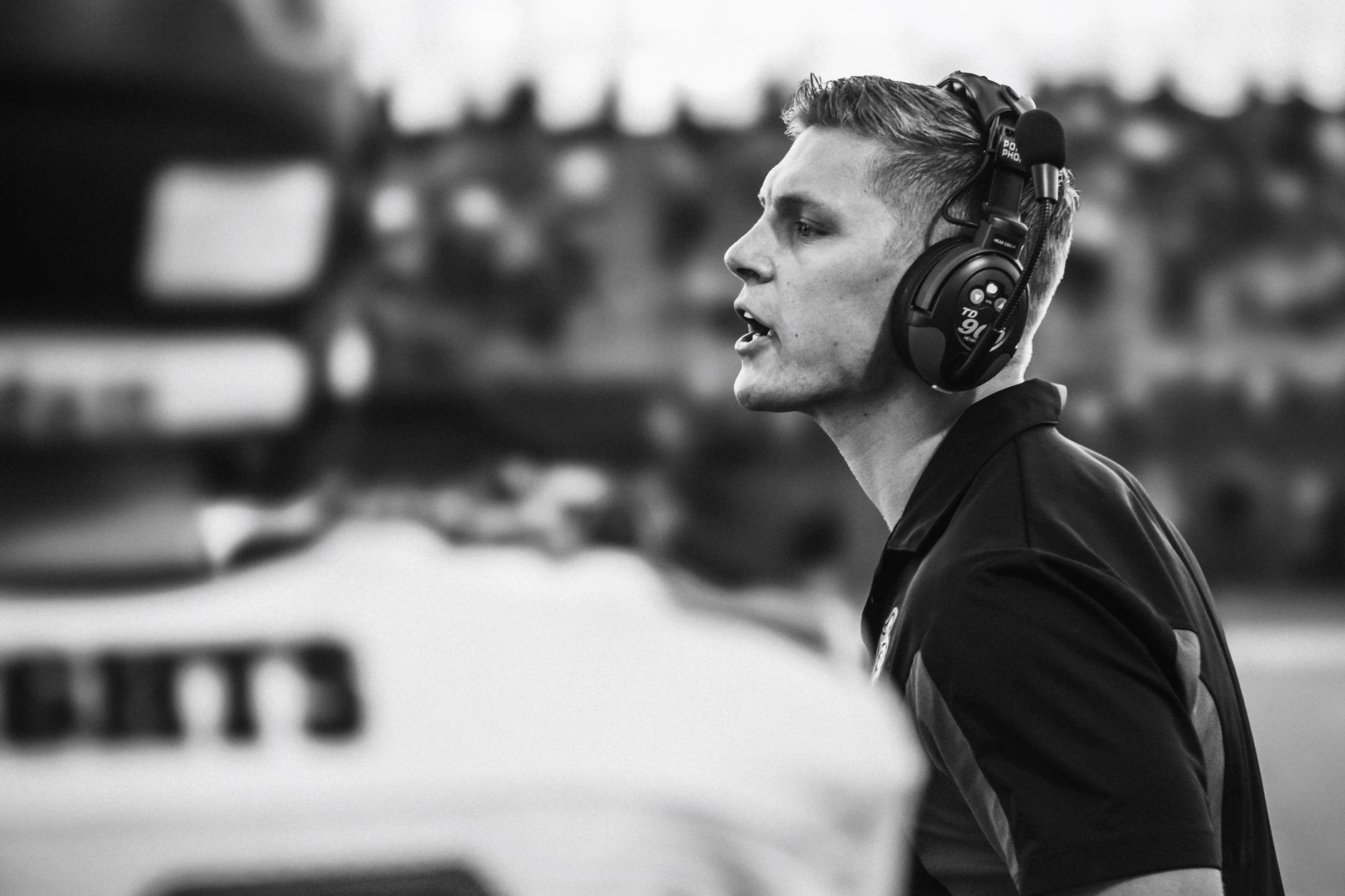
Neuer’s role added another layer to the moment. Nagelsmann included the 40-year-old goalkeeper in Germany’s 26-man squad for the tournament, and FIFA confirmed on May 21, 2026 that Neuer was part of the German team for the competition in Canada, Mexico and the United States. That made the brief sideline conversation after Nmecha’s goal more than a casual exchange. It underlined how central Neuer remains to Germany’s structure, authority and in-game communication.
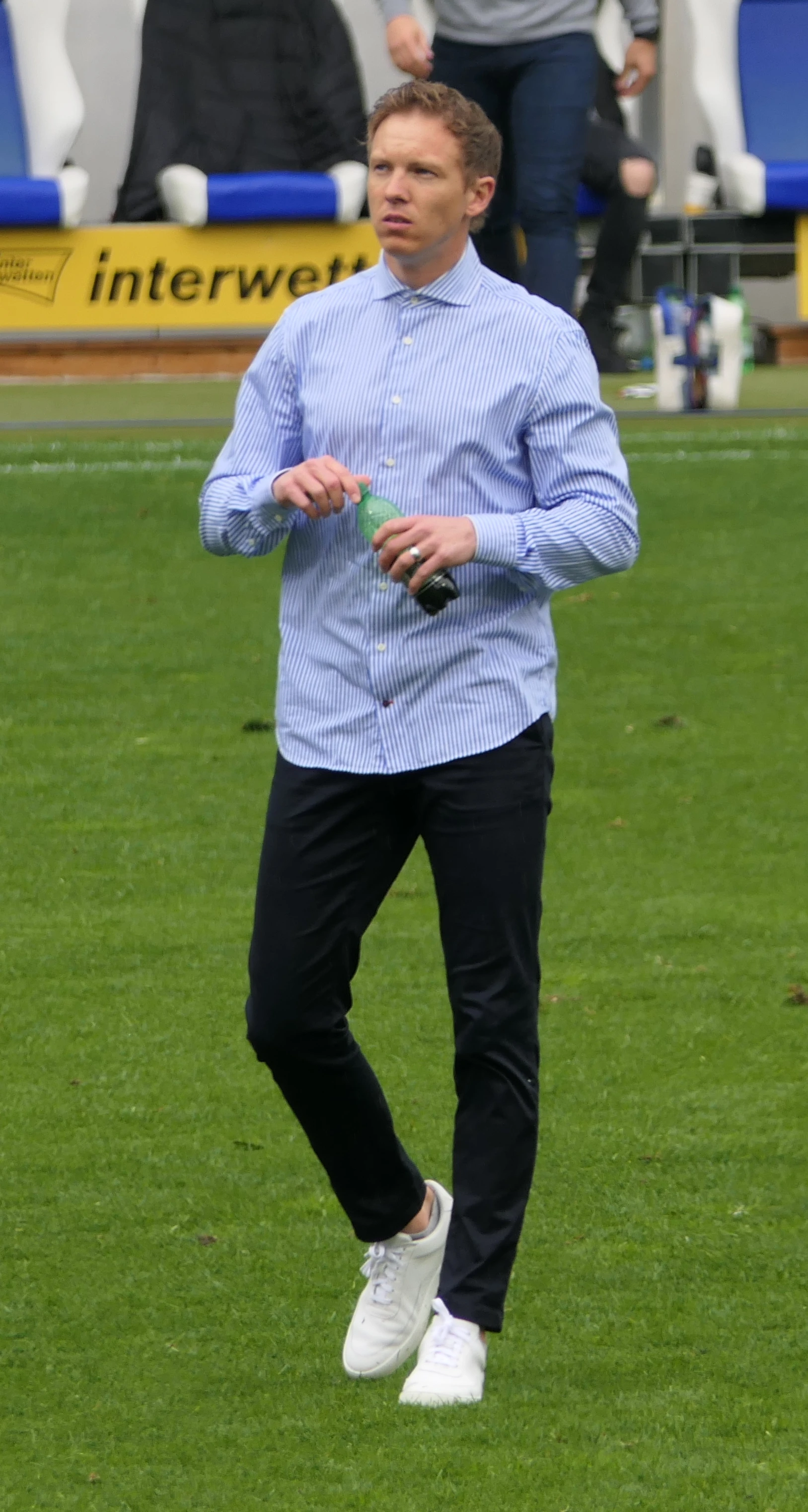
For Germany, the opening half was about more than goals. It was about demonstrating the habits that elite teams try to build before knockout pressure begins: celebrate briefly, reset immediately, and treat even a fast start as a problem still in need of adjustment. Nagelsmann’s quick return to the bench captured that mindset clearly. In a World Cup debut, momentum is valuable, but control is the real currency.
Sources
- [1]telemundo.com
- [2]ole.com.ar
- [3]ole.us
- [4]fifa.com
- [5]elpais.com