Politics
Nancy Mace falls short in South Carolina governor primary, ends bid
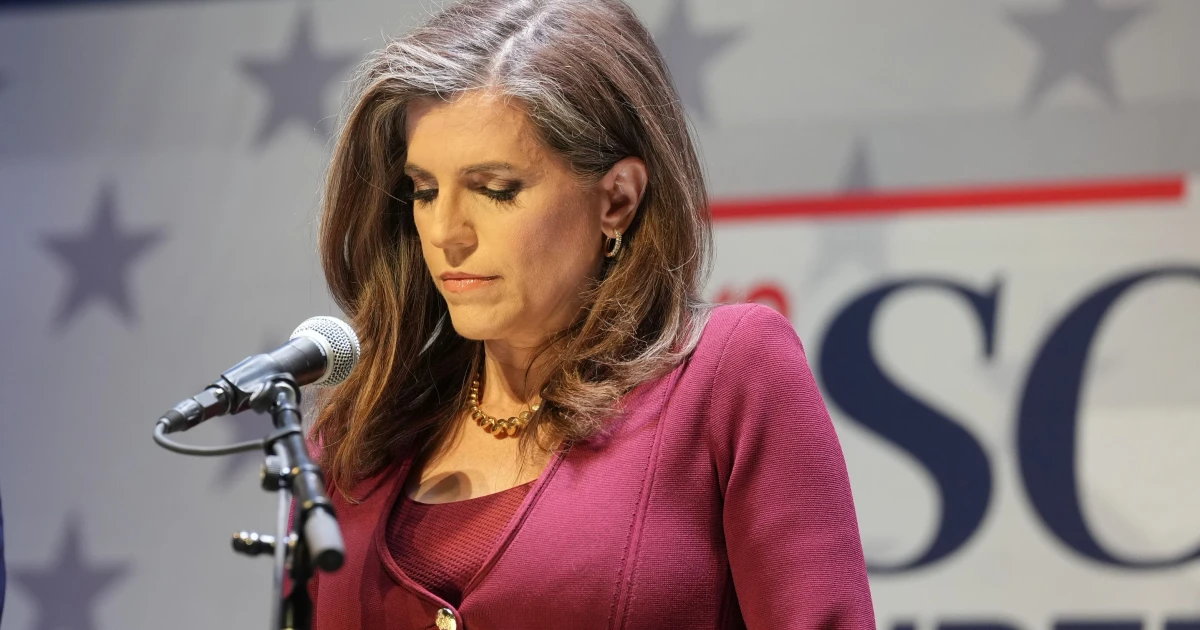
Nancy Mace’s bid to become South Carolina governor collapsed Tuesday when she failed to advance to the Republican runoff, a defeat that likely ends one of the state’s most combustible political runs. Pamela Evette, the lieutenant governor, and Attorney General Alan Wilson moved on to the June 23 runoff, while Mace was left behind after a race reshaped by Donald Trump’s eventual endorsement and her own push to force release of the Jeffrey Epstein files.
Mace’s exit was less a single stumble than the result of a months-long fracture in the Republican primary. She had spent years building a national profile by alternately defying Trump and trying to win him back, but that style did not produce a durable base in a governor’s race that drew six Republicans competing for the same voters. Scandals hurt her standing with GOP primary voters, and negative advertising from opponents added to the drag. Trump’s snub, followed by his preference for Evette, helped consolidate one lane of the race against her.
The result showed how South Carolina Republicans sorted themselves once the field narrowed. Evette carried the Trump-backed side of the contest, while Wilson emerged as the other finalist, leaving Mace squeezed out of both the loyalty vote and the anti-establishment vote she once tried to claim for herself. In a state where the Republican nominee is expected to hold a strong advantage in November, the runoff now becomes a contest over who best inherits Trump’s mantle, not who can build a broader coalition.

The primary had already taken on unusual intensity before election day. More than 318,600 ballots were cast during a record-breaking early voting period, and the South Carolina Election Commission said the state had 3,394,541 registered voters. Polls were open from 7 a.m. to 7 p.m. on June 9, and the governor’s race was among the key contests being tracked as returns came in.
For Mace, the loss carries immediate consequences beyond the governor’s race. By running statewide, she gave up her coastal House seat, and she said she would not try to return to Congress. That leaves her with far less leverage after years of confrontation politics that made her a national figure but did not give her enough trust inside her own party to survive a hard-fought primary. The race now stands as a warning to Republicans nationally: confrontation can build attention, but without a stable coalition, it does not always build a path to power.
Sources
- [1]politico.com
- [2]scvotes.gov
- [3]apnews.com