US News
Nancy Ward's legacy divides Cherokee history and memory
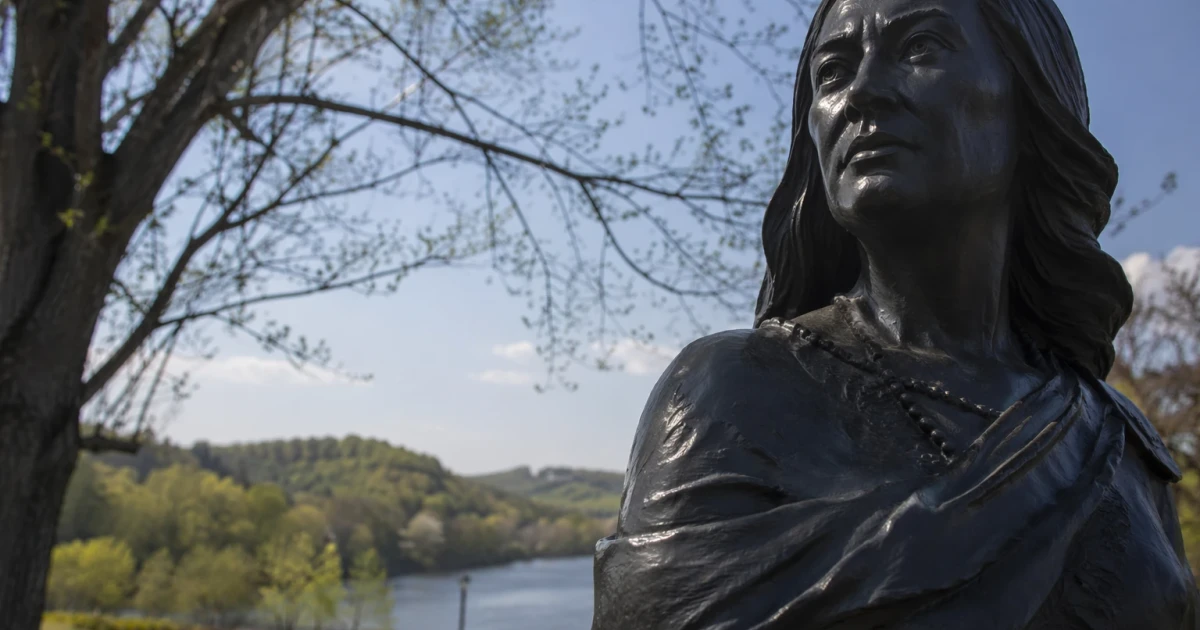
Nancy Ward’s name still carries two stories at once. In Cherokee memory she is honored as a Beloved Woman and condemned as a collaborator, a figure whose choices during war still sharpen arguments over survival, legitimacy and sovereignty. More than 250 years after the crisis of 1776, her legacy remains a live dispute inside Cherokee history.
A leader formed by a matrilineal world
Nanyehi, later known as Nancy Ward, was born around 1738 in Chota, the most important of the Overhill Cherokee towns in what is now eastern Tennessee. She was born into her mother’s Wolf Clan, and that detail mattered because Cherokee society was matrilineal, with clan identity and family power flowing through women. Her marriage to Kingfisher placed her inside the political and social world that shaped Cherokee leadership, but her authority did not come from marriage alone.
She later became a Beloved Woman, or Ghigau, a title that carried genuine spiritual and political authority. That office made her one of the most important women in Cherokee public life, not a symbolic figure on the margins. Some modern educational materials go further, saying she led the Women’s Council of Clan Representatives and was the only woman with a vote in the Cherokee General Council.
Peace-making in a season of war
Ward’s reputation turns on what she tried to do during the American Revolution. As danger spread across Cherokee territory, she tried to protect her people by promoting peace and serving as an intermediary between Cherokee communities and American settlers. Historians note that she sent messengers warning nearby forts of impending Cherokee attacks, and she is also remembered for helping feed American troops.
That record has made her both venerated and reviled. To some, she represents pragmatic diplomacy by a leader trying to reduce the bloodshed closing in on Cherokee towns. To others, her cooperation with colonists looked like a betrayal of Cherokee interests at the very moment colonial expansion was tightening around the nation. The divide is not an abstract one: it grows out of a period when every alliance and warning could alter the balance between life, loss and displacement.
Fort Loudoun and the weight of frontier violence
The argument over Ward’s legacy cannot be separated from the violence that shaped the Cherokee frontier before the Revolution reached its most volatile point. Fort Loudoun stood near the Cherokee capital at Chota and existed for only four critical years during the French and Indian War, from 1756 to 1760. Built in the 1750s, it became one of the most bitter symbols of colonial intrusion and Cherokee resistance.
In August 1760, Cherokee forces forced the surrender of the garrison at Fort Loudoun. That episode left fresh grievances on both sides and deepened the atmosphere of suspicion that later surrounded Ward’s peacemaking. By the time Cherokee leaders faced the crisis of 1776, the memory of Fort Loudoun had already helped harden the political ground beneath them.
Why her memory still splits Cherokee history
Ward’s legacy remains powerful because it asks a question Cherokee history has never been able to answer neatly: what does political leadership mean when a nation is under extreme pressure? Her defenders see a woman using the tools available to slow violence and preserve lives. Her critics see a figure whose actions helped colonial power gain a foothold in a time of existential threat.
That tension is why she is still treated as more than a person from the past. She has become a test case for how Cherokee memory judges compromise, especially when the choices are made under military threat and colonial pressure. In that sense, the debate over Ward is really a debate over whether diplomacy can ever be separated from the unequal power surrounding it.
How modern Cherokee materials keep the argument alive
Modern Cherokee and historical materials continue to return to Ward because her authority was real, not ceremonial. Encyclopaedia Britannica identifies her as a Native American leader and Beloved Woman of the Cherokee Nation, emphasizing her role as an intermediary between early American settlers and the Cherokee people. Colonial Williamsburg presents her as part of the political fabric of a revolutionary age, not merely a family figure or a legend.
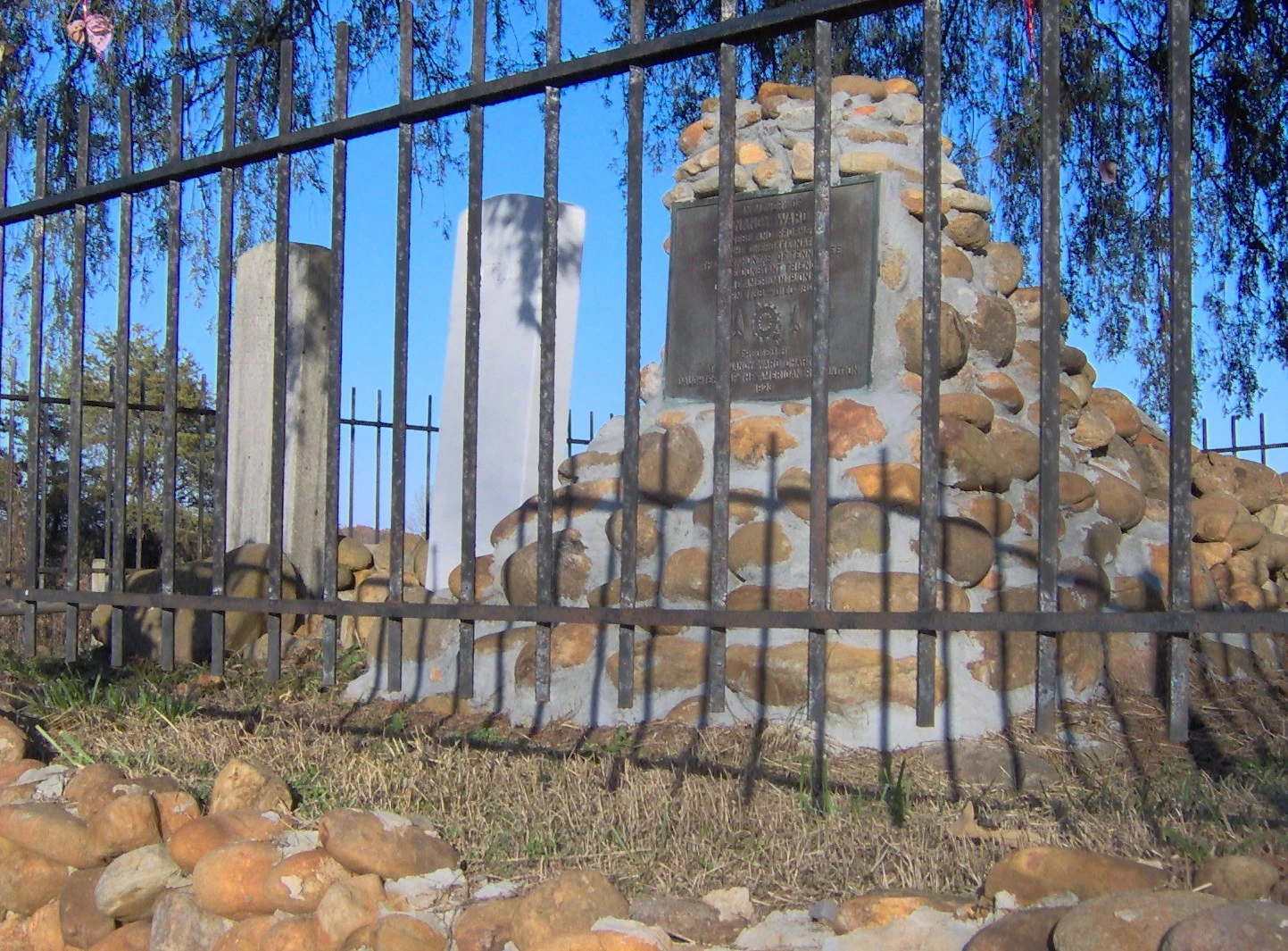
The National Park Service archive preserves that afterlife in physical form as well. It notes that Nancy was born sometime in 1738, and that her grave later became a site of remembrance. In 1923, the Nancy Ward Chapter of the Daughters of the American Revolution erected a marker, a reminder that her name has long been used to claim, preserve and contest public memory.
A legacy that reaches later Cherokee leadership
Ward’s story also sits beside later Cherokee leadership in a longer arc of political endurance. The names of Attakullakulla, John Ross and Wilma Mankiller belong to different generations and different crises, but they show how Cherokee leadership has repeatedly been forced to negotiate survival under changing forms of pressure. Ward’s descendants and tribal leaders continue to identify publicly with her lineage and story, keeping her present not as a fixed verdict but as an unresolved inheritance.
That is why her legacy still divides Cherokee history. Nancy Ward is remembered as a peacemaker, a political actor and a controversial intermediary because all three descriptions are true at once. Her life captures the cost of trying to protect a nation when every available choice was made under the shadow of colonial power.
Sources
- [1]nytimes.com
- [2]colonialwilliamsburg.org
- [3]britannica.com
- [4]npgallery.nps.gov
- [5]nps.gov
- [6]jstor.org
- [7]sphere-ed.org