Health
Nancy Wexler helped create Huntington's test, but never took it
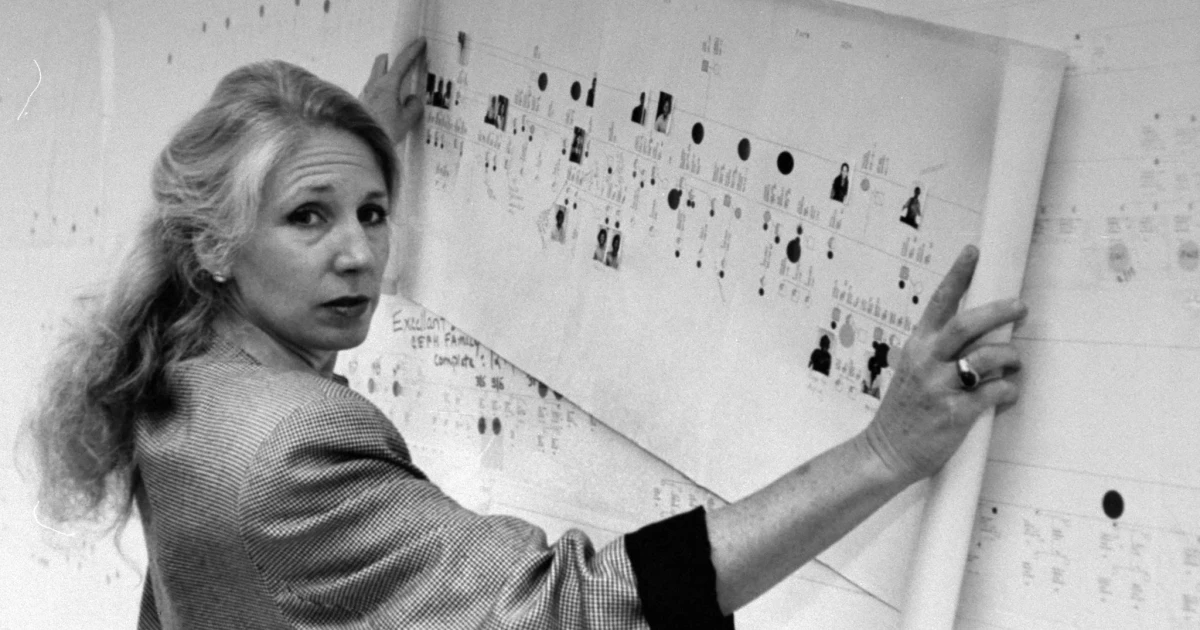
Nancy Wexler spent decades helping crack the genetics of Huntington’s disease, yet she drew a line at learning her own fate. The test her work helped make possible can identify the HD gene in almost all cases, but it cannot say when symptoms will start or how the disease will unfold.
Huntington’s disease is a hereditary, autosomal dominant neurodegenerative disorder caused by an expanded CAG repeat in the HTT gene. A positive blood test can tell someone whether they carry the gene, but it does not predict the timing of symptom onset or the pace of progression. The condition is widely described as highly penetrant, and it brings progressive motor, cognitive and behavioral decline that can stretch across years.
That uncertainty has always shaped the decision to test. Huntington’s has been studied for more than 150 years, since George Huntington first described it, but the central dilemma remains the same: predictive medicine can deliver knowledge faster than it can deliver a cure. For people at risk, the choice is not simply about information. It is about fear, stigma, family planning and whether knowing your status changes your life for the better or just makes a difficult future feel immediate.
The Huntington’s Disease Society of America says the blood test can determine, in almost all cases, whether a person has the HD gene. Even so, some people who are at risk choose not to learn the result because the emotional burden can be overwhelming, and because a result that points to certainty does not bring a disease-modifying treatment with it. In studies of at-risk individuals, ambivalence and uncertainty often weigh as heavily as the genetics themselves.

Wexler’s own story shows how personal that calculation can become. In 2020, she revealed that she was living with Huntington’s disease while still mentally alert, continuing to follow research and attend Huntington’s Disease Foundation board meetings virtually. In her 2026 memoir, My Life, My Science: Pursuing a Cure for Huntington’s Disease, she wrote that she had long resisted accepting what she was seeing in herself.
Her decision not to take the test she helped make possible turned her into a case study in the ethics of knowledge. Huntington’s research gave families an answer, but not always relief. For Wexler, and for many others watching the disease move through generations, the hardest part was not only what science could reveal, but what it still could not change.
Sources
- [1]nytimes.com
- [2]hdsa.org
- [3]pmc.ncbi.nlm.nih.gov
- [4]time.com
- [5]medlink.com
- [6]gumc.georgetown.edu
- [7]sheffieldchildrens.nhs.uk