Health
NASA astronaut Anil Menon to study health in eight-month ISS mission
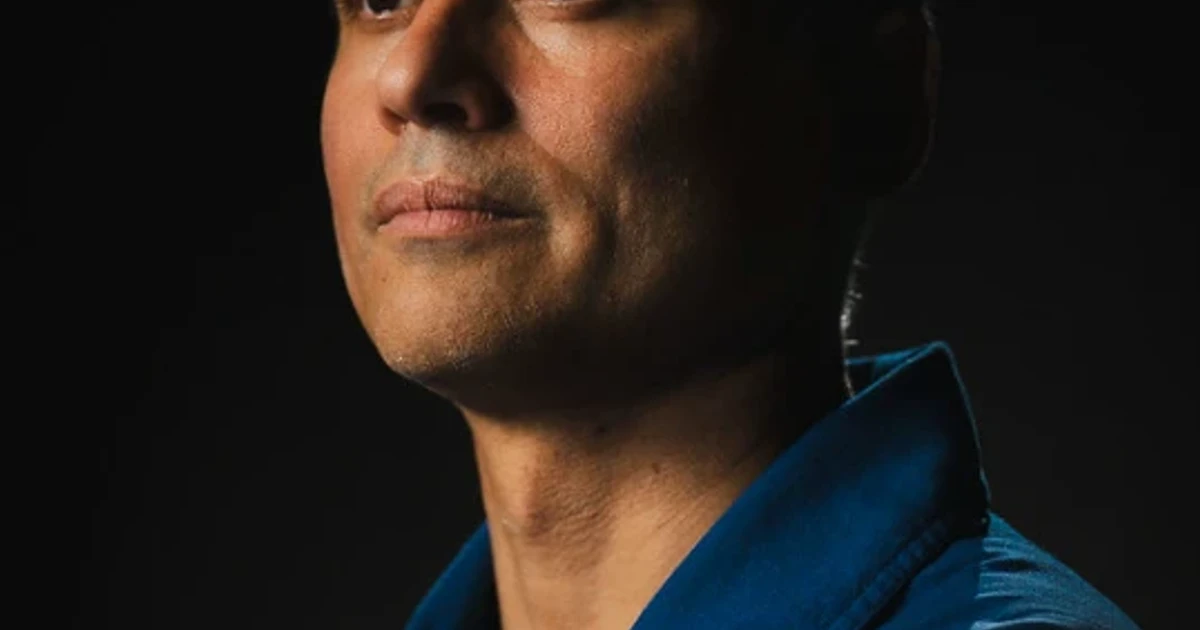
Dr. Anil Menon is heading into orbit with a clear medical mandate: help NASA understand how the human body holds up over months in microgravity. The emergency medicine physician will fly on Roscosmos Soyuz MS-29 from the Baikonur Cosmodrome in Kazakhstan in July 2026, beginning his first mission to the International Space Station.
Menon will serve as a flight engineer and Expedition 75 crew member on an eight-month stay aboard the station, living and working with Roscosmos cosmonauts Pyotr Dubrov and Anna Kikina as part of Expeditions 74 and 75. NASA says he will carry out scientific investigations and technology demonstrations designed to prepare people for future space missions and to produce results that can be used on Earth.
The medical value of that work is the point. NASA’s long-running ISS health research program has focused on problems that build over time in space, especially bone and muscle loss in microgravity. Those losses matter for astronauts on extended missions to the Moon and Mars, where crews will face far longer exposure to low gravity than on short orbital flights. NASA says research from the station can also inform treatment for osteoporosis on Earth.
Menon brings unusual credentials to the assignment. He is an actively practicing emergency medicine physician, a colonel in the U.S. Space Force, and SpaceX’s first flight surgeon. He was selected for NASA’s 2021 astronaut candidate class and reported for duty in January 2022, giving him a background that bridges clinical medicine, military service and spaceflight operations.
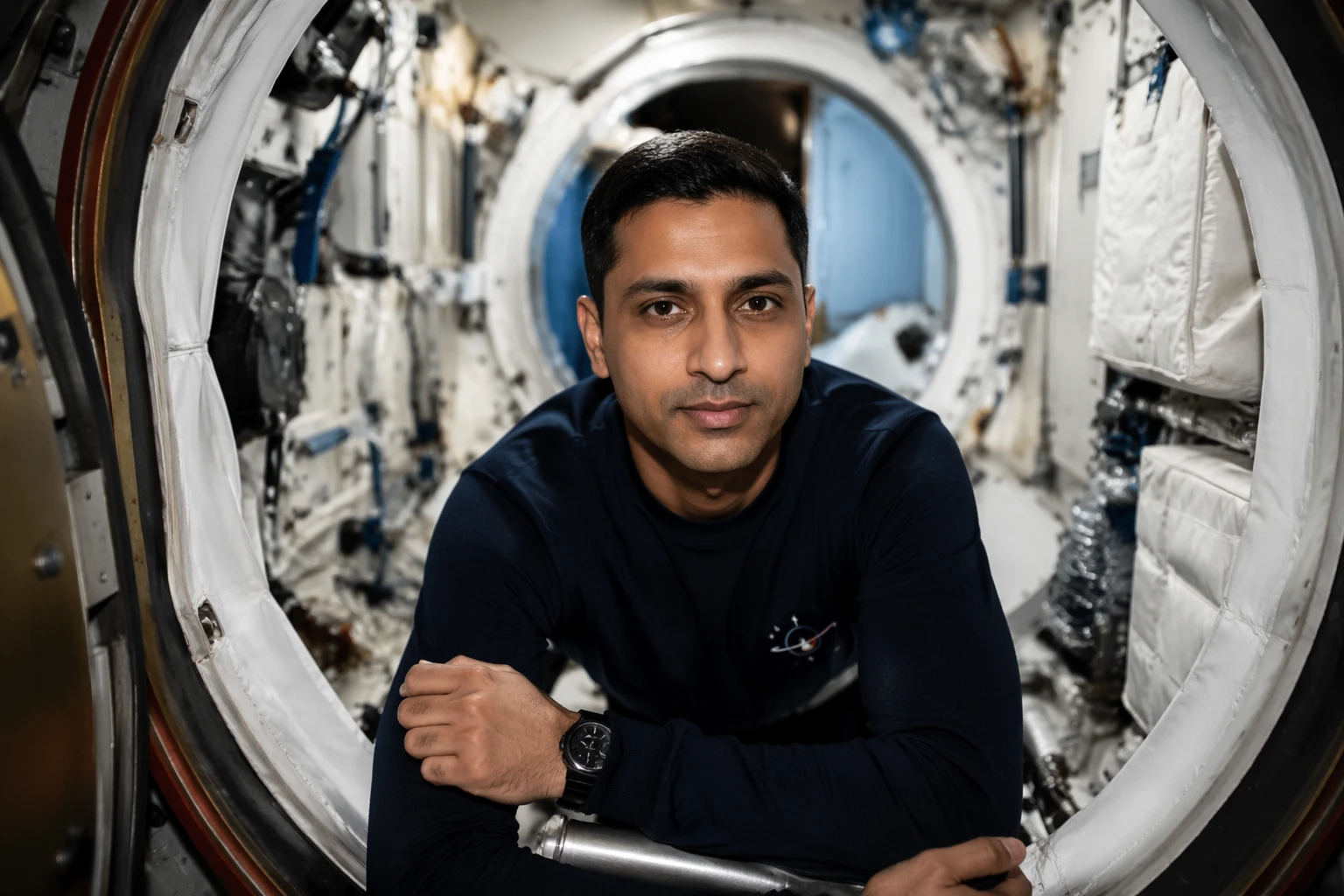
NASA opened prelaunch virtual interviews for Menon beginning June 22, 2026, as the agency prepared for the July launch window. The timing underscores how closely NASA is tying the mission to public-facing science: the flight is not only another rotation to the station, but also part of a broader effort to turn long-duration spaceflight into a live laboratory for human health.
For NASA, Menon’s mission reflects a practical strategy. If astronauts are going to live for months at a time beyond low Earth orbit, the agency needs better answers on how to keep muscles, bones and overall health from deteriorating. An ER doctor on the crew gives that work a sharper clinical edge, and the results could shape how NASA sends people back to the Moon and onward to Mars.
Sources
- [1]abcnews.com
- [2]nasa.gov