World
NASA astronaut launches with Russian crew to International Space Station
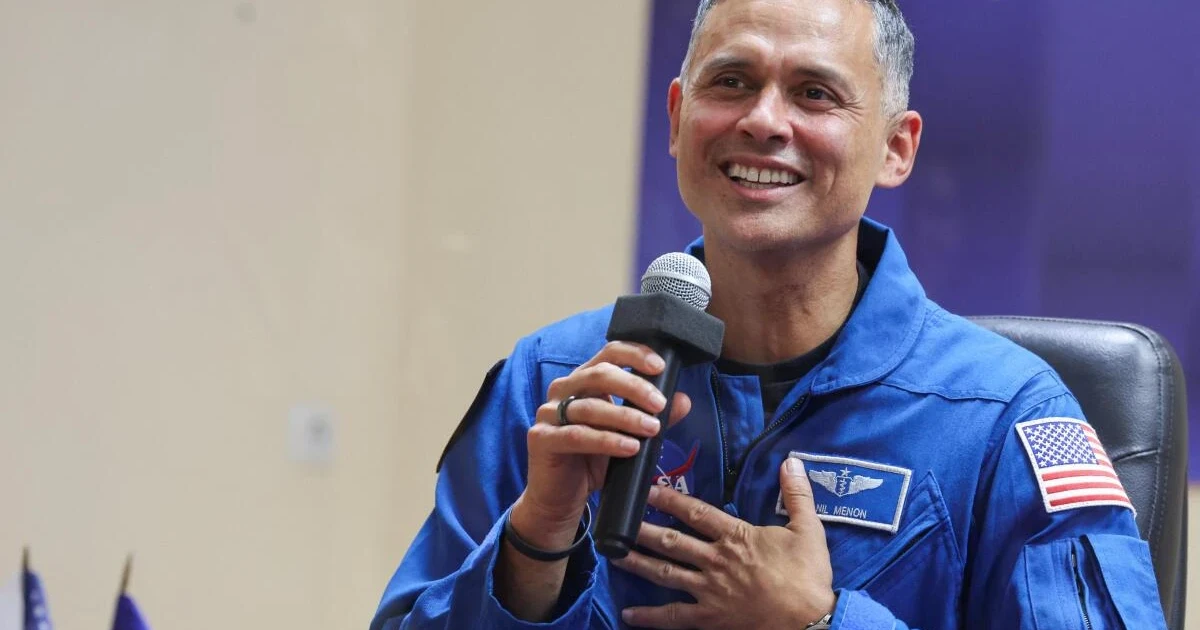
A NASA astronaut lifted off from Baikonur Cosmodrome in Kazakhstan on Tuesday with two Russian cosmonauts, keeping an essential seat-sharing arrangement alive even as Washington and Moscow remain at odds on Earth. Anil Menon launched aboard Soyuz MS-29 at 10:47 a.m. EDT, or 7:47 p.m. Baikonur time, joined by Roscosmos cosmonauts Pyotr Dubrov and Anna Kikina.
The trio were headed to the International Space Station to join the Expedition 74 crew before moving into work across Expeditions 74 and 75. NASA said the mission was expected to last about eight months and would support scientific investigations and technology demonstrations aboard the orbital laboratory. Menon was making his first spaceflight, while Dubrov and Kikina were on their second.
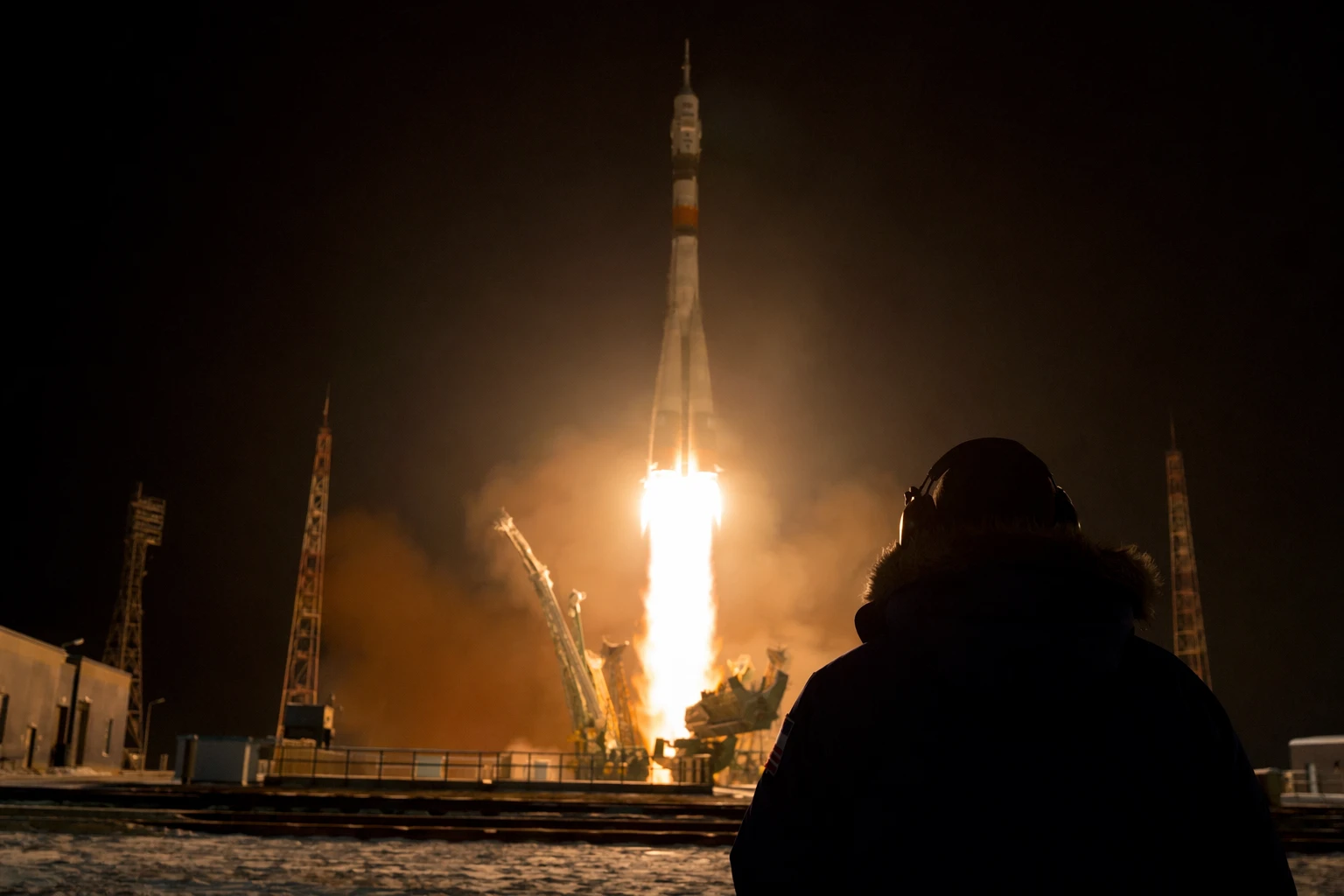
The launch from Kazakhstan illustrated the practical limits of geopolitical rupture in spaceflight. NASA and Roscosmos agreed in 2025 to extend International Space Station operations until 2028, preserving a partnership that still depends on Russian Soyuz spacecraft for transporting crews to the station and, in turn, on U.S. and partner systems for keeping the outpost operating.
That interdependence has become a defining feature of the station’s later years. NASA said the International Space Station has been continuously occupied since Expedition 1 began in 2000 and has hosted more than 270 people over that span. The agency also marked 25 years of continuous human presence aboard the station in 2025, a milestone that underscored how long the laboratory has outlasted the political cycle that surrounds it.
NASA carried live coverage of the launch on NASA+, Amazon Prime and YouTube, reflecting the broad public reach that still follows the station’s crew rotations. For Menon, the flight opened a mission built around research and technology work in orbit; for the program, it showed that even amid wider U.S.-Russia tensions, the routine business of getting astronauts to the station remains a working necessity.
Sources
- [1]abcnews.com
- [2]nasa.gov