Science
NASA Astronaut’s Sudden Speech Loss in Space Raises Medical Questions
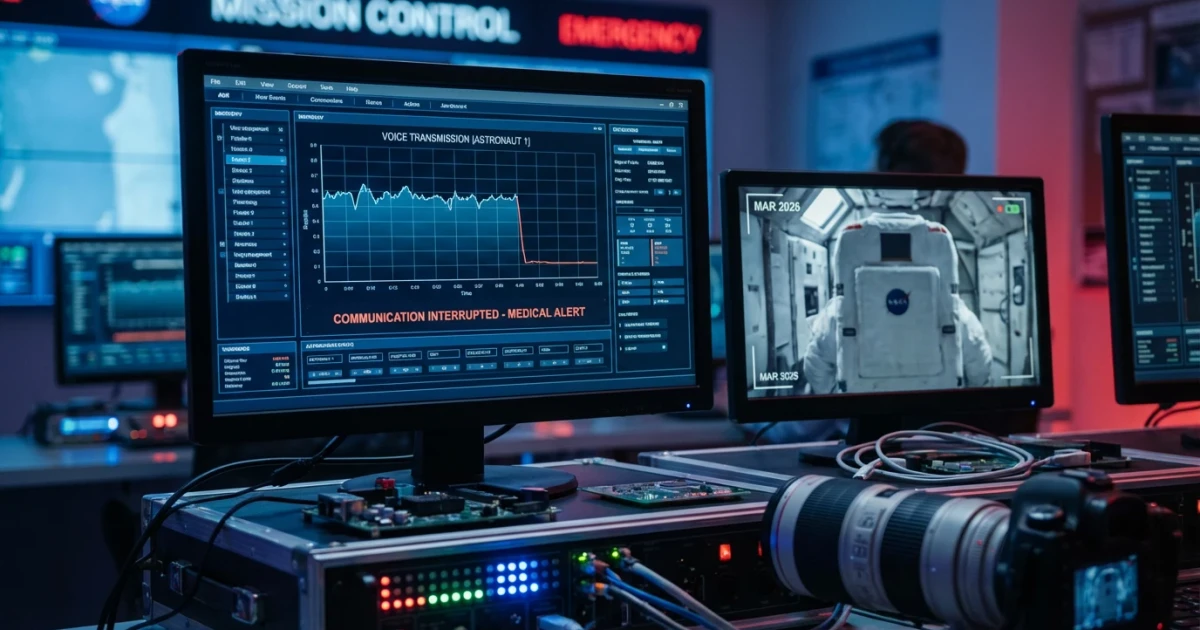
A NASA astronaut’s unexpected loss of speech during a recent mission has drawn attention to the ongoing challenges of managing medical emergencies in space, with the cause of the incident still unknown.
Unexplained Medical Event in Orbit
During a recent mission aboard the International Space Station (ISS), a NASA astronaut experienced a sudden inability to speak, according to reporting from ABC News. The incident occurred without warning, leaving both the astronaut and ground teams scrambling to assess the cause and determine the best course of action. Despite thorough medical evaluation during and after the mission, the underlying reason for the abrupt speech loss remains a mystery.
Medical Emergencies in Space: A Growing Concern
The astronaut’s ordeal is the latest in a series of medical incidents to occur during spaceflight. According to NASA’s official summary of medical emergencies in space, astronauts have faced a variety of health issues including cardiac events, infections, and neurological symptoms. Speech loss, however, is rare and not well understood in the context of microgravity.
Data from the Spaceflight Medical Incidents Database lists a range of documented medical events during NASA missions. Neurological events — such as dizziness, headaches, and temporary confusion — have been reported, but sudden loss of speech is unusual.
Possible Causes and Investigations
Spaceflight presents unique risks to human health. The 2022 NASA report on spaceflight human health risks outlines factors such as radiation exposure, altered atmospheric pressure, and the effects of microgravity on the brain and nervous system. While none of these factors has been directly linked to sudden speech loss, the report notes that neurological symptoms can sometimes manifest unpredictably in space.
Peer-reviewed research, including a review and analysis of medical events during spaceflight, points to the need for better understanding and monitoring of neurological health in astronauts. Existing protocols address a wide range of conditions, but rare events like speech loss can challenge even the most robust plans.
Implications for Future Missions
- Medical events requiring real-time diagnosis and intervention are expected to increase as missions become longer and venture farther from Earth.
- Current communication delays with ground-based medical teams could complicate response to acute neurological incidents.
- NASA’s human health and performance research on the ISS continues to study neurological function and other health parameters to improve safety protocols.
Looking Ahead
While the NASA astronaut recovered from the speech loss episode, the incident serves as a reminder of the unpredictable nature of medical emergencies in space. As NASA and its partners prepare for missions to the Moon and Mars, understanding and preparing for such events is critical. Ongoing research and detailed analysis of past incidents remain essential to ensure astronaut safety and mission success.