Science
NASA awards $590 million for new commercial Moon lander missions
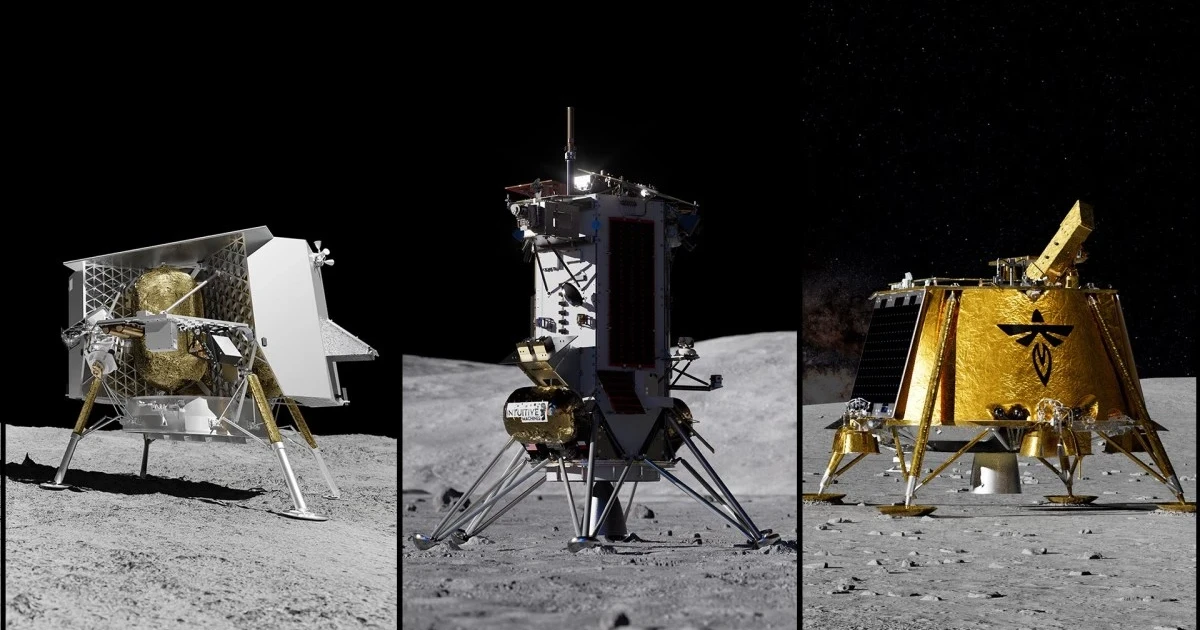
NASA awarded $590 million on June 30 to Astrobotic, Firefly Aerospace and Intuitive Machines for four uncrewed Moon lander missions planned for late 2028.
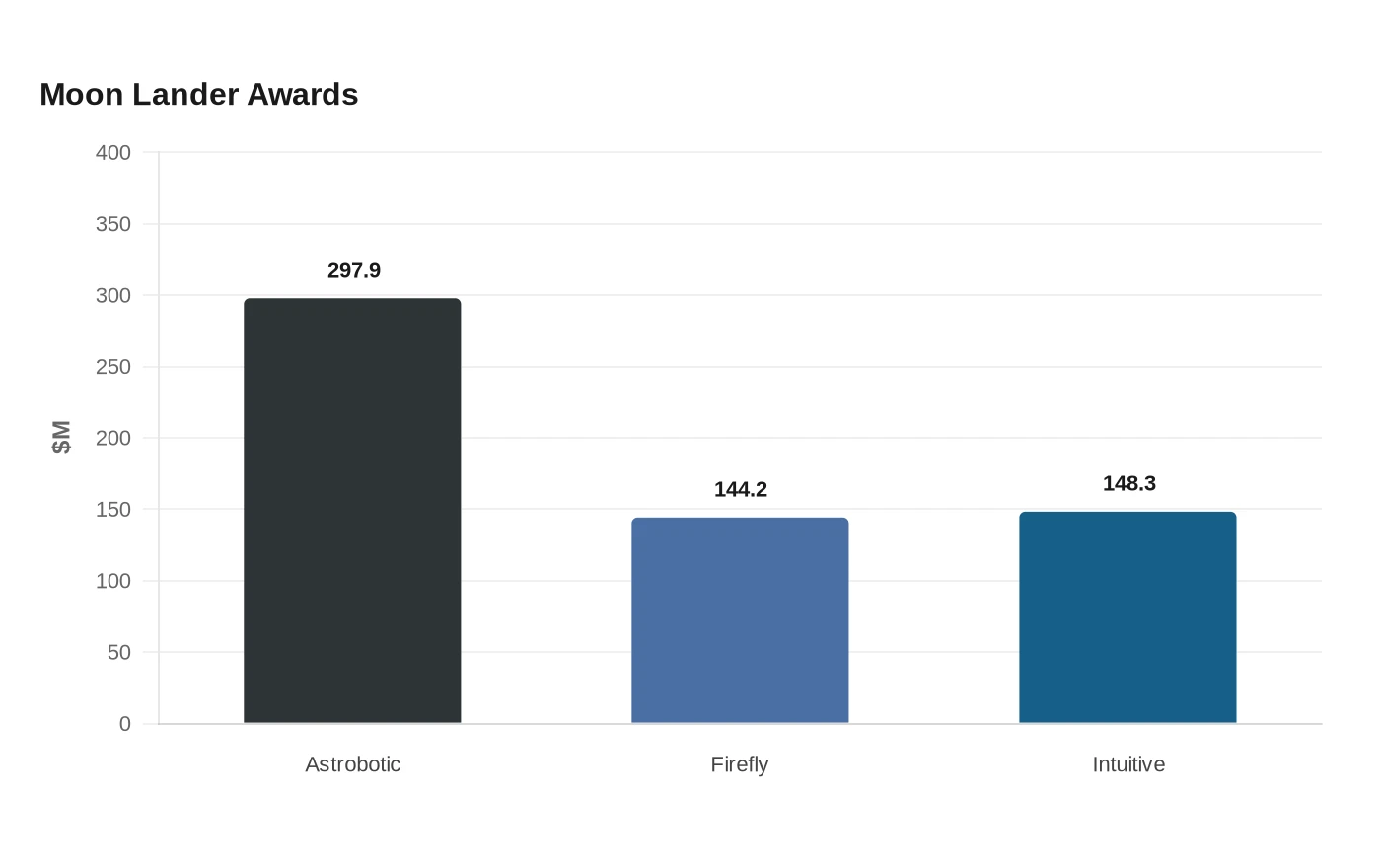
The contracts break down to $297.9 million for two Astrobotic deliveries, $144.2 million for one Firefly mission and $148.3 million for one Intuitive Machines flight. NASA placed the work under its Commercial Lunar Payload Services initiative, which lets the agency buy end-to-end delivery while private companies design, build, launch and operate the spacecraft, and tied the new awards to its Moon Base Program.
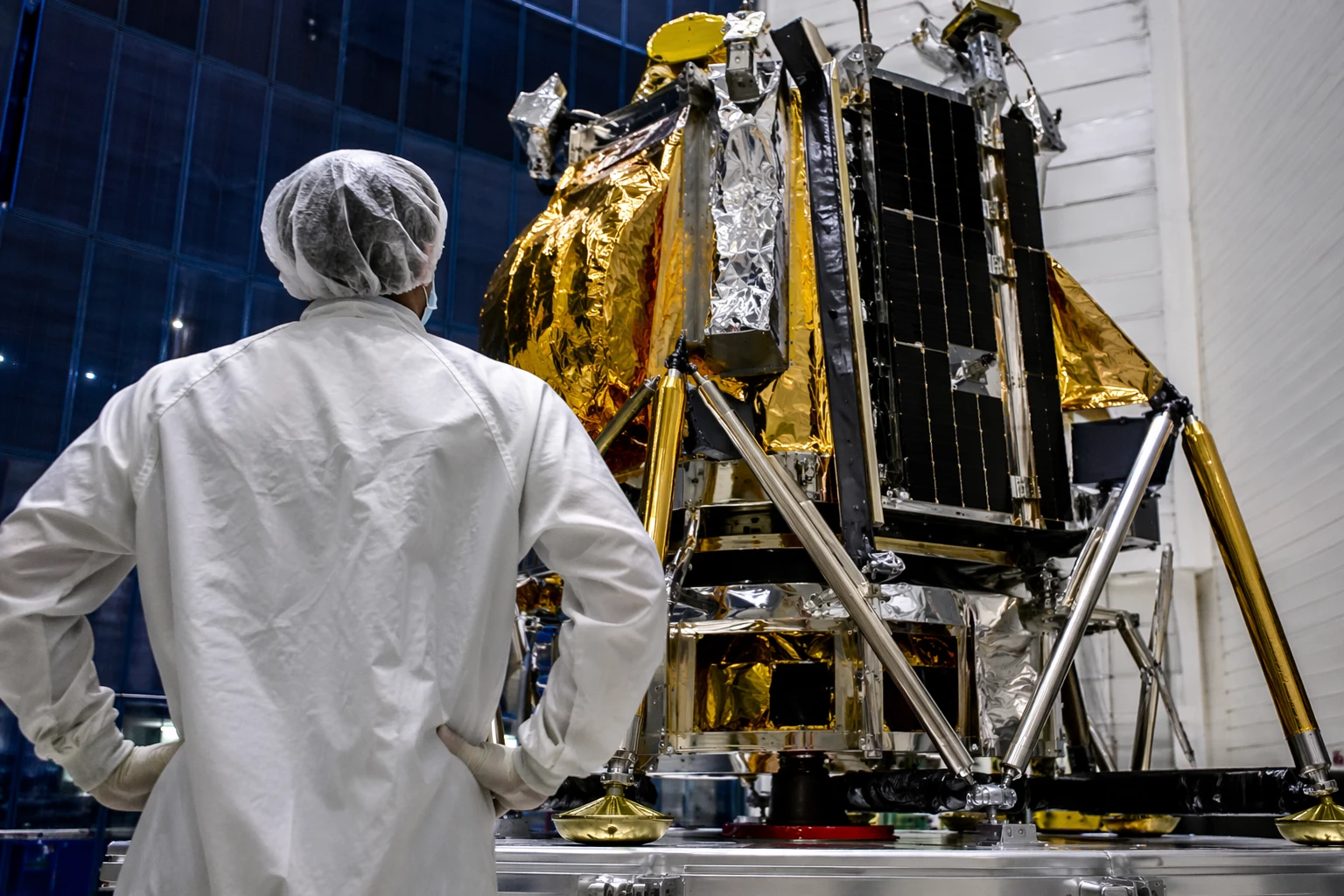
The missions are meant to help establish infrastructure for lunar surface operations and support a long-term human presence on the Moon. Carlos García-Galán, NASA’s moon-base chief, said the first phase is about proving surface delivery is reliable before the agency puts high-value assets on the landers or moves toward harder tasks such as human landings and construction of a moon base. Lori Glaze, NASA’s associate administrator, said the awards are meant to accelerate work toward a long-term lunar presence and help NASA and its partners learn, iterate and improve. Ryan Stephan, acting director of cargo landers for Moon Base, called the effort a “proving ground” for Moon Base operations.
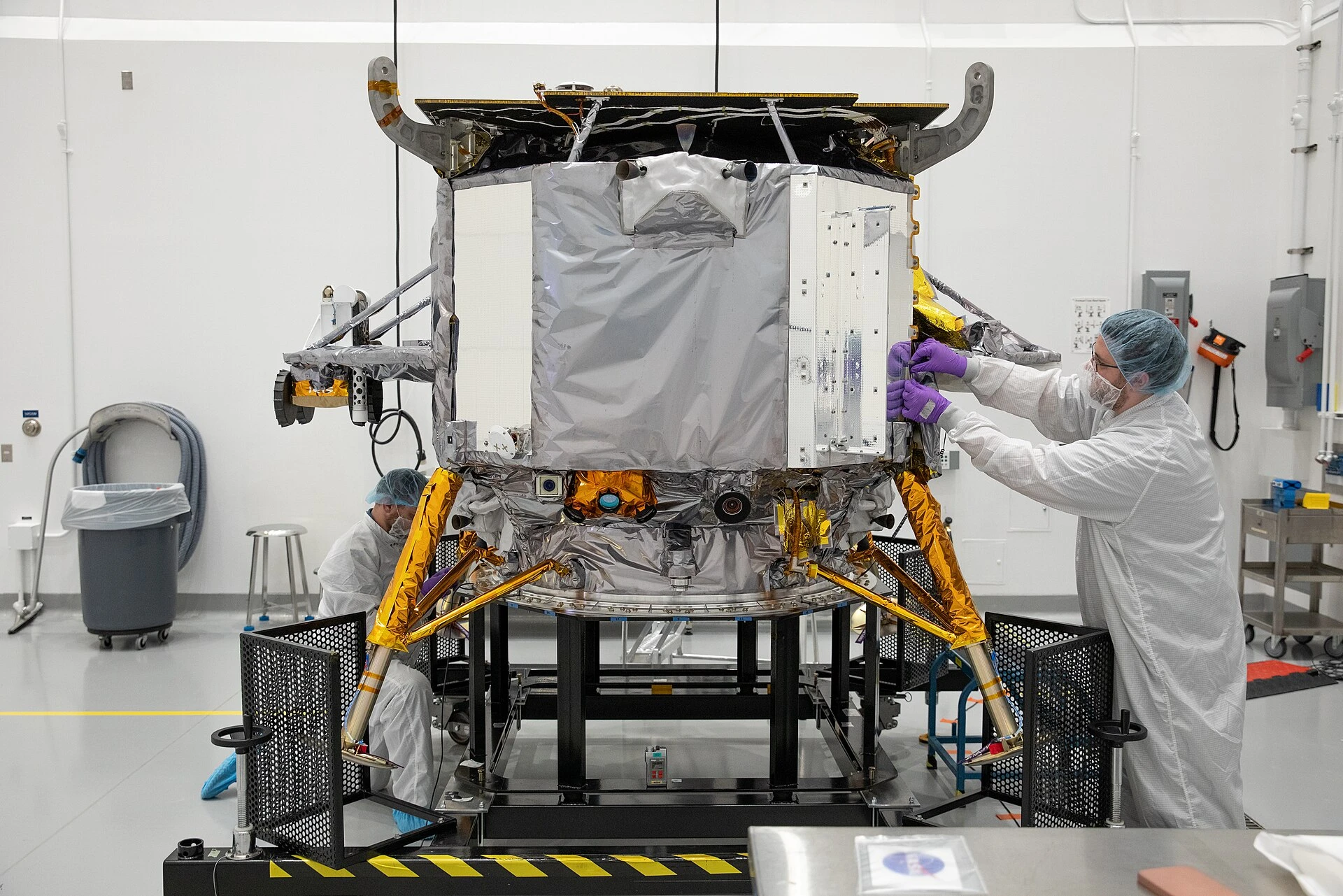
Astrobotic’s Peregrine Mission One ended in a controlled re-entry over the South Pacific on Jan. 18, 2024 after a propulsion failure prevented a lunar landing. Firefly’s Blue Ghost Mission 1 landed successfully on March 2, 2025 near Mons Latreille within Mare Crisium, becoming the first commercial company to complete a fully successful soft landing on the Moon. Intuitive Machines’ Athena reached the lunar surface on March 6, 2025 near the south pole region, but the lander tipped over.
The three companies will use updated versions of already-flown lander designs, and NASA’s CLPS page lists more than 60 NASA instruments planned to go to the Moon through the program. NASA is also considering sending the PROMISE rover engineering development version, along with future payloads for power and avionics demonstrations, another science manifest, a South Pole optical imager and a lunar communications and navigation relay constellation.