Technology
NASA awards Rocket Lab three Electron launches for science missions
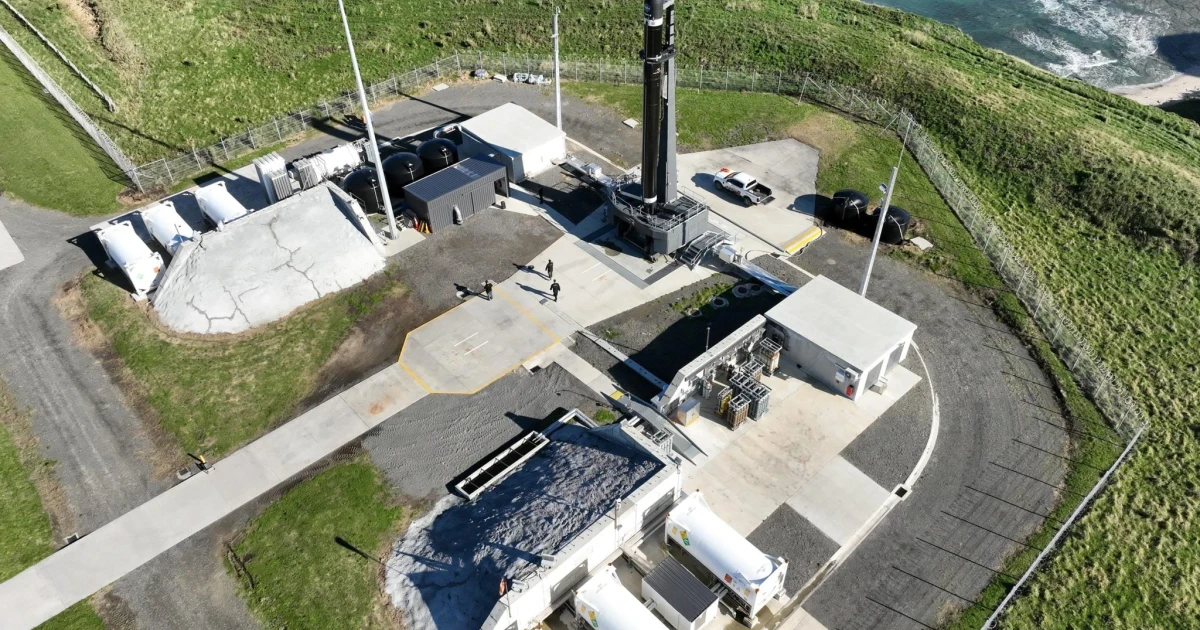
On June 25, 2026, NASA awarded Rocket Lab three dedicated Electron launches for two science missions. The selection covers PolSIR and TSIS-2 under NASA’s Venture-Class Acquisition of Dedicated and Rideshare contract, a 10-year ordering vehicle with a maximum total value of $300 million.
PolSIR will take two dedicated Electron flights, with launch no earlier than June 2027 from Launch Complex 1 in Māhia, New Zealand. The mission consists of two 16U CubeSats designed to study high-altitude ice clouds in tropical and subtropical regions. Vanderbilt University’s Dr. Ralf Bennartz is the principal investigator. The University of Wisconsin–Madison’s Space Science and Engineering Center will run science operations, and Blue Canyon Technologies is building the spacecraft. The award covers lifecycle costs of no more than $37 million, excluding launch.
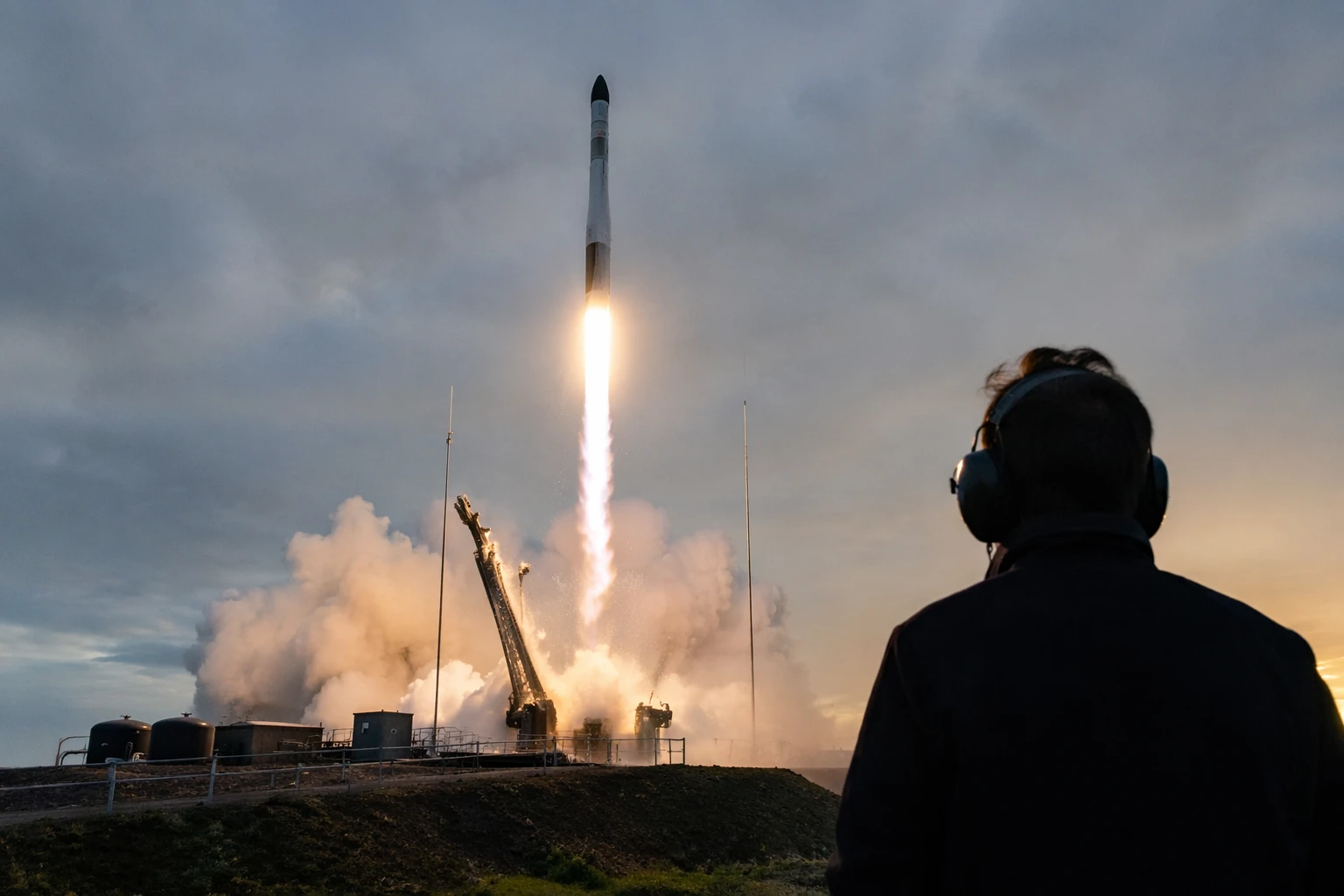
TSIS-2 is targeted for early 2027 from the same Rocket Lab site in Māhia. The mission will extend a solar irradiance record observed from space since 1978, measuring both the Sun’s total irradiance and spectral irradiance as Earth’s climate system absorbs that energy. NASA’s Goddard Space Flight Center is managing the mission, the Laboratory for Atmospheric and Space Physics at the University of Colorado is building the instruments, and General Atomics - Electromagnetic Systems is providing the spacecraft. Unlike the earlier TSIS-1 mission, TSIS-2 will fly on a free-flying spacecraft rather than operate from the International Space Station.
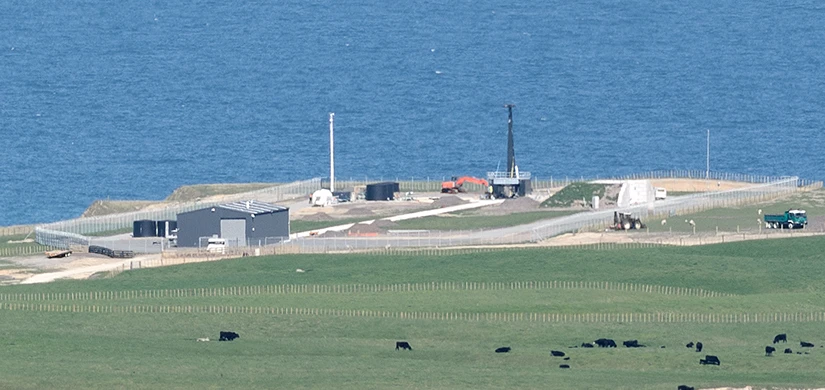
On June 26, Rocket Lab’s Synspective mission was the 10th consecutive dedicated launch for the Japanese Earth-observation customer, with 100% mission success. Electron completed its 70th mission in August 2025. On July 3, 2026, Rocket Lab announced it would acquire Iridium. Skyroot Aerospace planned a maiden test flight of Vikram-1 between July 12 and August 4, 2026, a rocket Skyroot calls India’s first private orbital launcher and one that can carry up to 300 kilograms.
Sources
- [1]arstechnica.com
- [2]nasa.gov
- [3]science.nasa.gov
- [4]earth.gsfc.nasa.gov
- [5]phys.org
- [6]techcrunch.com
- [7]rocketlabcorp.com