Technology
NASA backs 41 company proposals to advance Moon and Mars tech
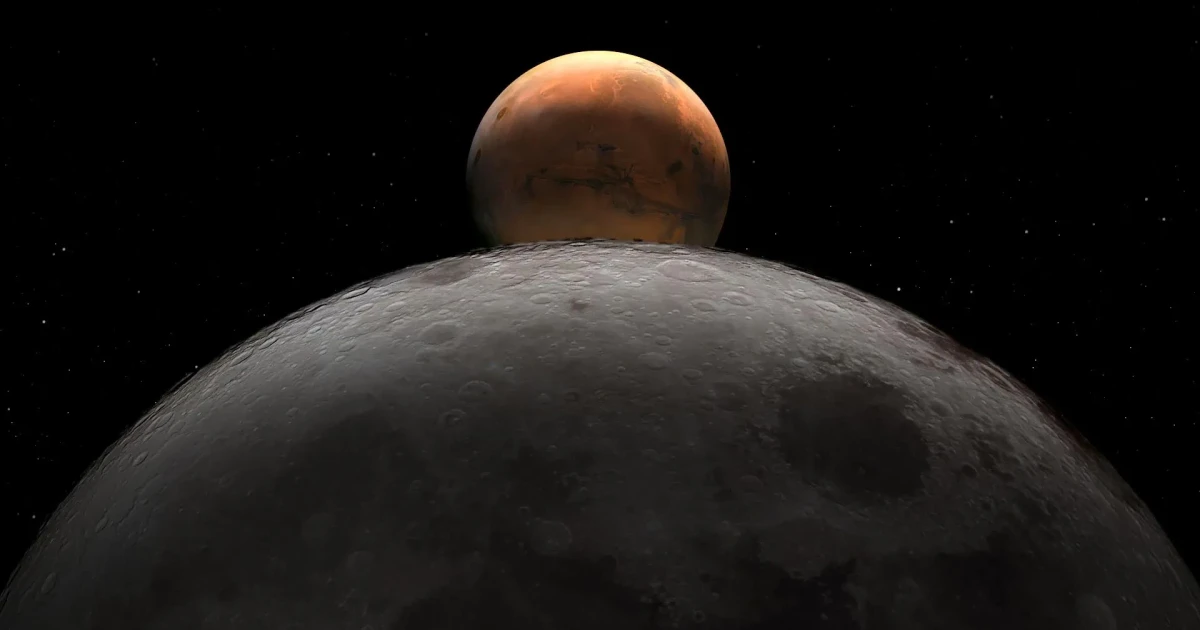
NASA selected 41 technology proposals from 37 American companies to tackle some of the hardest engineering problems on the road to the Moon and Mars. The awards fall under the agency’s 2025 Announcement of Collaboration Opportunity, an unfunded model that links companies to NASA facilities, hardware, software and technical expertise rather than handing out traditional grants.
The selected agreements are expected to run 12 to 24 months. The effort is meant to speed technologies that matter for future science and human exploration missions while also strengthening the wider space economy and the country’s industrial base. The proposals span space transportation engine elements, guidance and navigation systems, landing systems, in-space servicing, assembly and manufacturing, and energy management technologies.
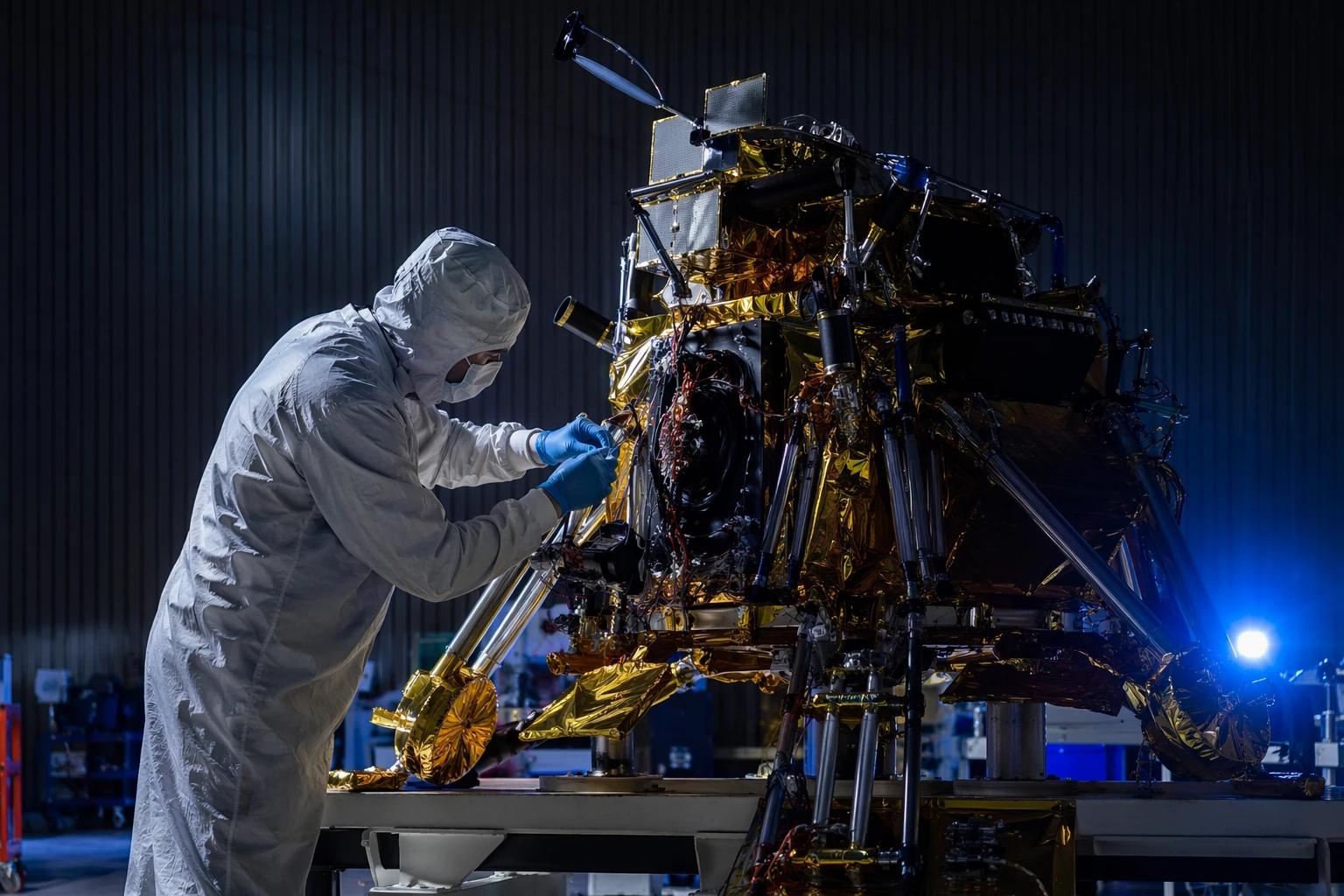
Lockheed Martin is advancing a compact, modular energy system designed to generate electricity in permanently shadowed lunar regions, places where sunlight never reaches and long-term surface operations become far more difficult. The project also includes a wireless power transfer system that advances power-beaming technology using fiber lasers, along with a space-based heat rejection system intended to improve durability.
NASA also selected Kall Morris Inc.’s Asteria supplemental payload attachment system, which is designed to attach to legacy, current and next-generation orbital assets with a non-destructive, controlled-release adhesive. The concept is meant to improve maneuvering, tracking, asset protection, data collection and satellite life extension.
NASA has supported more than 110 projects since 2015 under the collaboration model, with about $30 million in NASA resources and $32 million from participating companies. A separate NASA industry-partnership page puts the ACO total at approximately 80 projects since 2015.
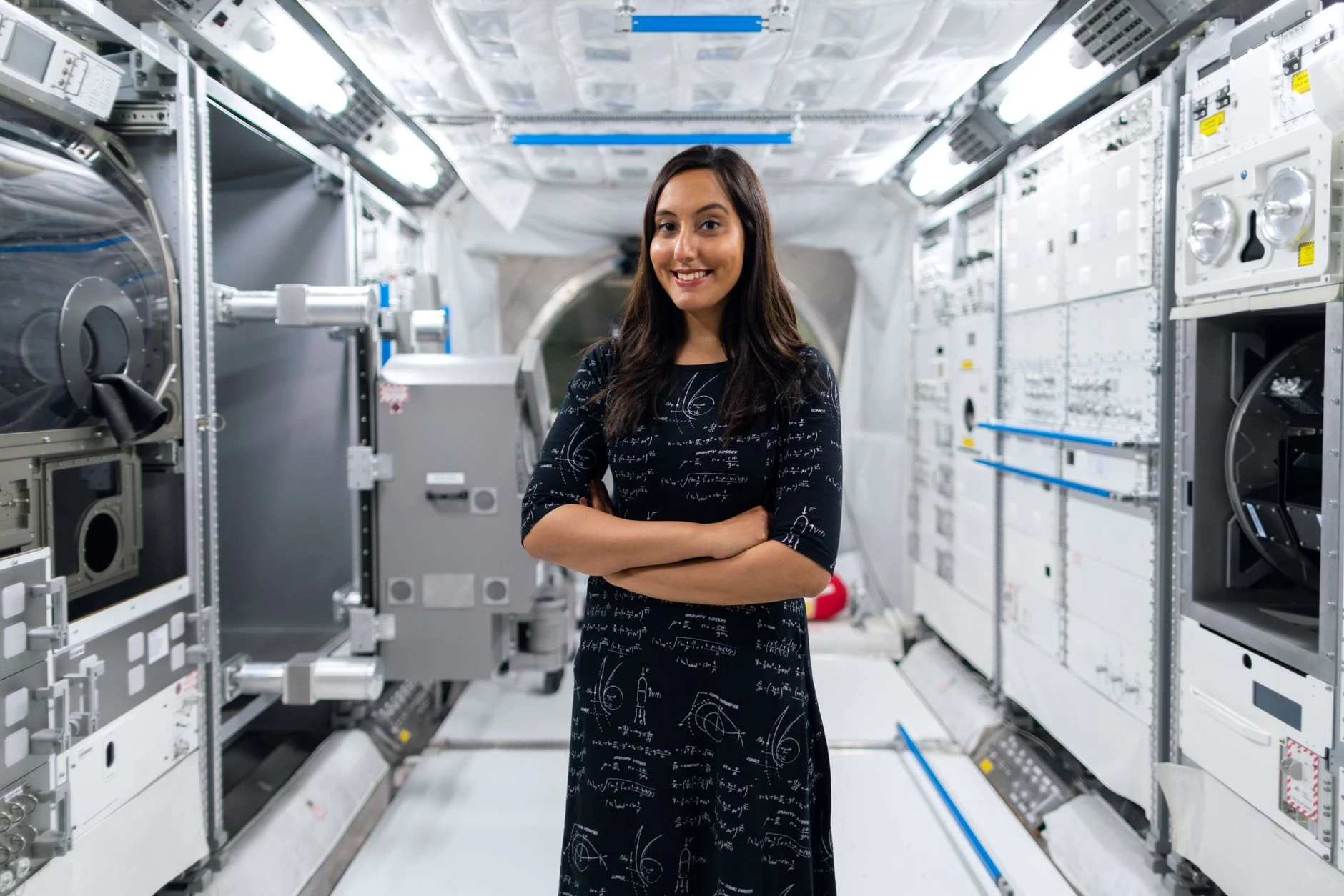
Greg Stover, director of the Advanced Research and Technology Division in NASA’s Research and Technology Mission Directorate, said, “We are empowering American industry to become active partners” in NASA’s missions. The arrangement lowers development costs and speeds the infusion of emerging space capabilities into flight systems.
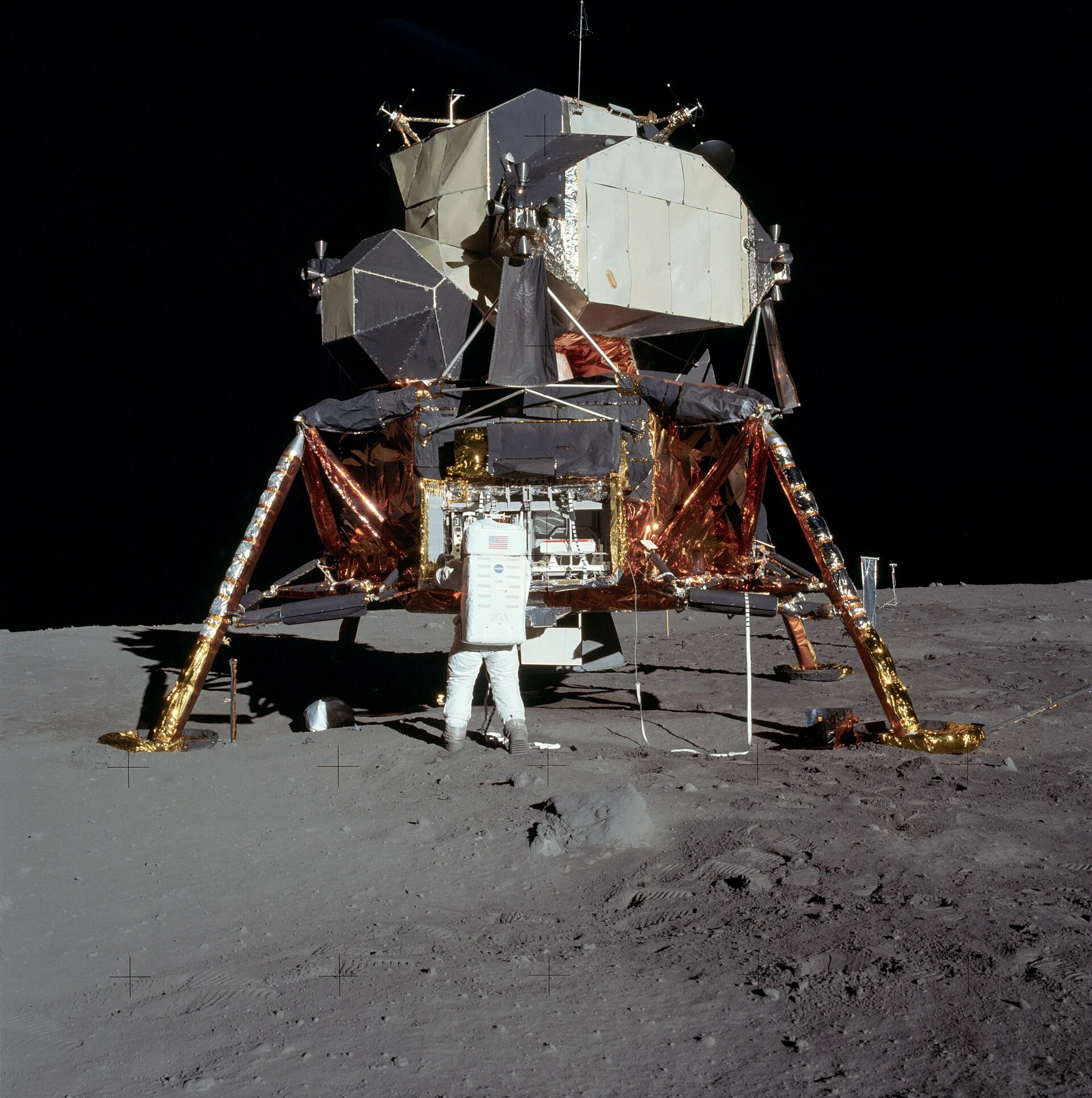
A lasting human presence on the Moon will require crewed and uncrewed missions, commercial partnerships, surface power, in-situ resource utilization and advanced manufacturing, according to NASA’s Moon Base materials. The agency’s five-year standing ACO has appendix releases every six to 12 months.
Sources
- [1]sciencedaily.com
- [2]nasa.gov