US News
NASA chief says U.S. is in a space race with China
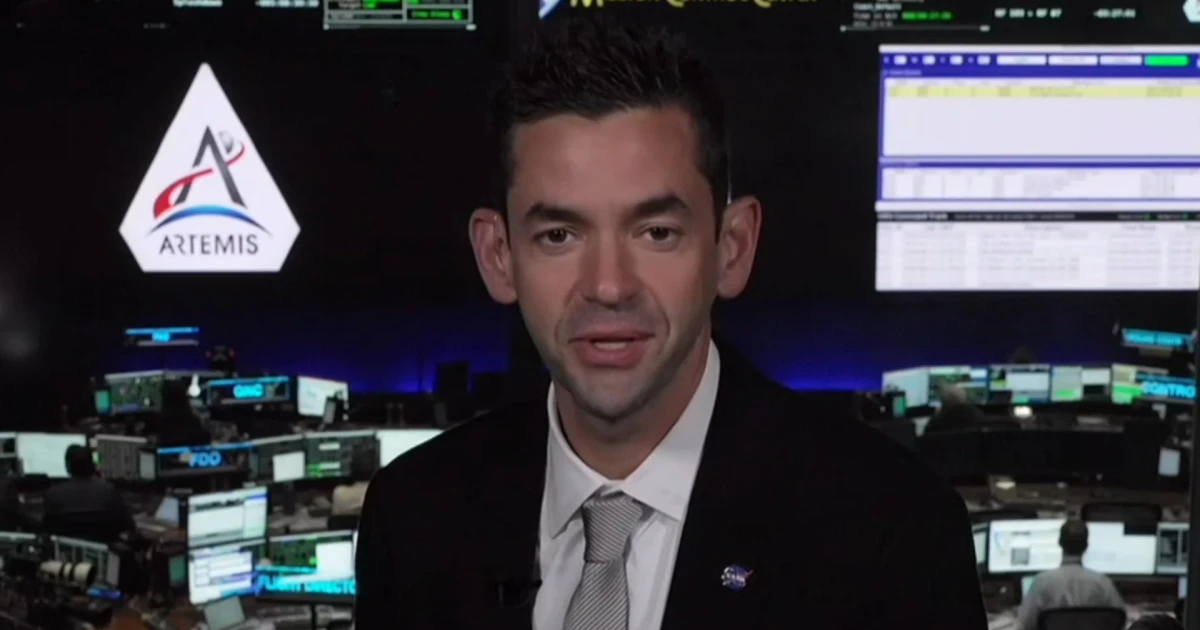
Jared Isaacman used a Sunday television interview to cast NASA’s Moon program as part of a direct competition with China, saying the United States is “very much in a space race right now.” The remarks came on CBS News’ Face the Nation with Margaret Brennan, where Isaacman was one of the featured guests alongside Dr. Debra Houry, NCAA President Charlie Baker, and a joint interview with Reps. Adriano Espaillat and Carlos Gimenez.
Isaacman, NASA’s 15th administrator, was sworn in in December 2025 by District Judge Timothy J. Kelly after a long confirmation delay. His comments underscored how quickly the agency has moved from a leadership transition to a tightly framed geopolitical message: NASA is not just returning to the Moon, it is doing so while watching China accelerate its own space program at what he described as “incredible speeds.”
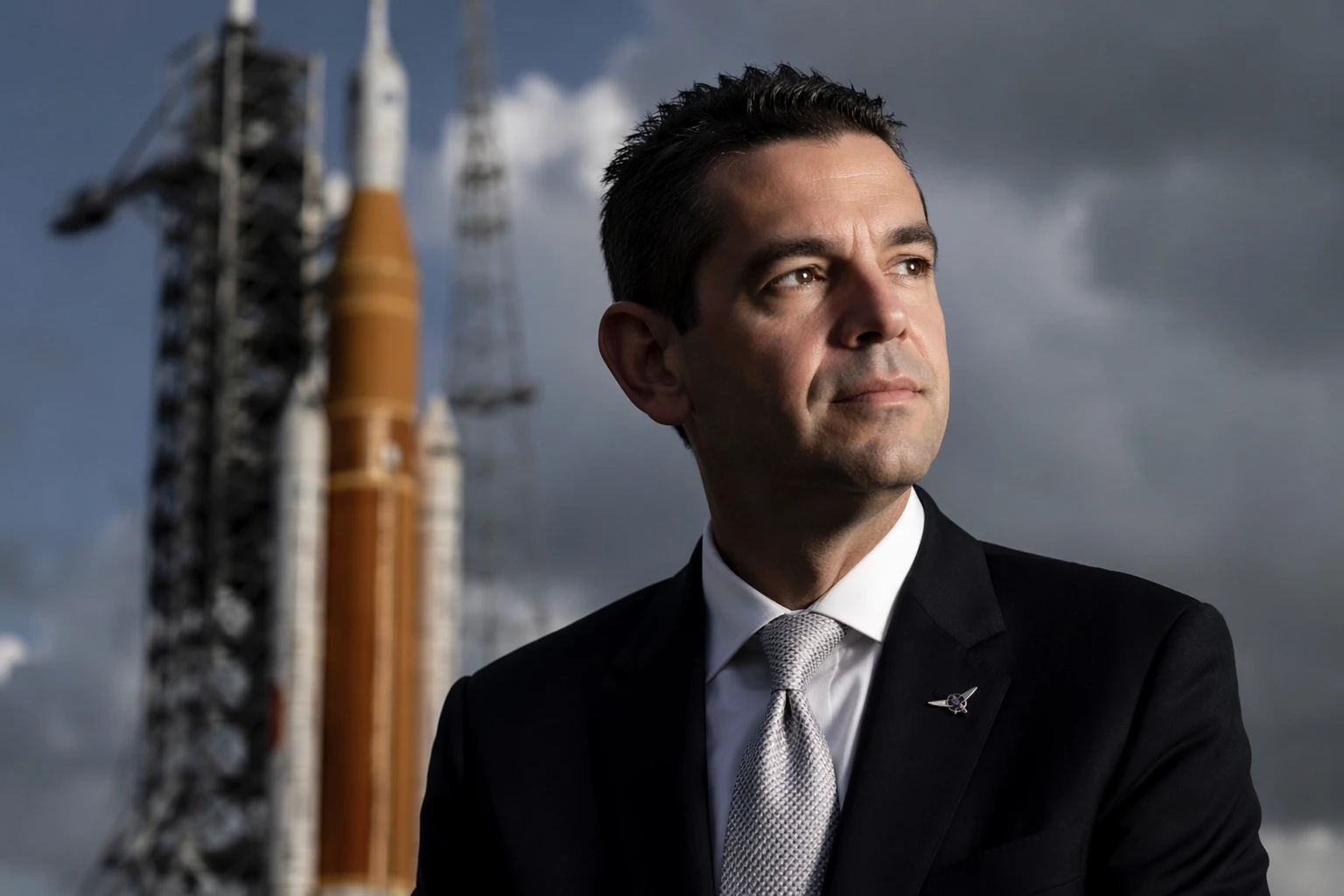
The timing matters because NASA is already deep into Artemis II, the first crewed lunar flyby in 50 years. The mission launched from Kennedy Space Center on April 1, 2026, and is planned as a 10-day flight. NASA says the crewed mission is designed to help confirm the systems and hardware needed for future lunar surface missions, making it a test of both engineering and political momentum.
China’s lunar progress has become part of that backdrop. NASA’s Lunar Reconnaissance Orbiter imaged China’s Chang’e-6 spacecraft on the lunar far side after Chang’e-6 landed on June 1, 2024, a reminder that Beijing’s Moon program is not theoretical but operational. Isaacman’s framing suggests NASA intends to keep China at the center of its public case for continued lunar spending and for the broader U.S. effort to retain leadership in deep space.

That broader ambition extends beyond the Moon. NASA’s Mars Sample Return campaign remains an active future mission concept, and the agency describes it as an ambitious multi-mission effort to bring Martian samples back to Earth. With Artemis II underway and Mars still on the board, Isaacman’s comments point to a NASA strategy built around two linked goals: prove the United States can land and operate on the Moon again, then keep the long game on Mars alive while China closes the gap.
Sources
- [1]cbsnews.com
- [2]nasa.gov
- [3]science.nasa.gov