Science
NASA Closes Chapter on MAVEN Mars Mission
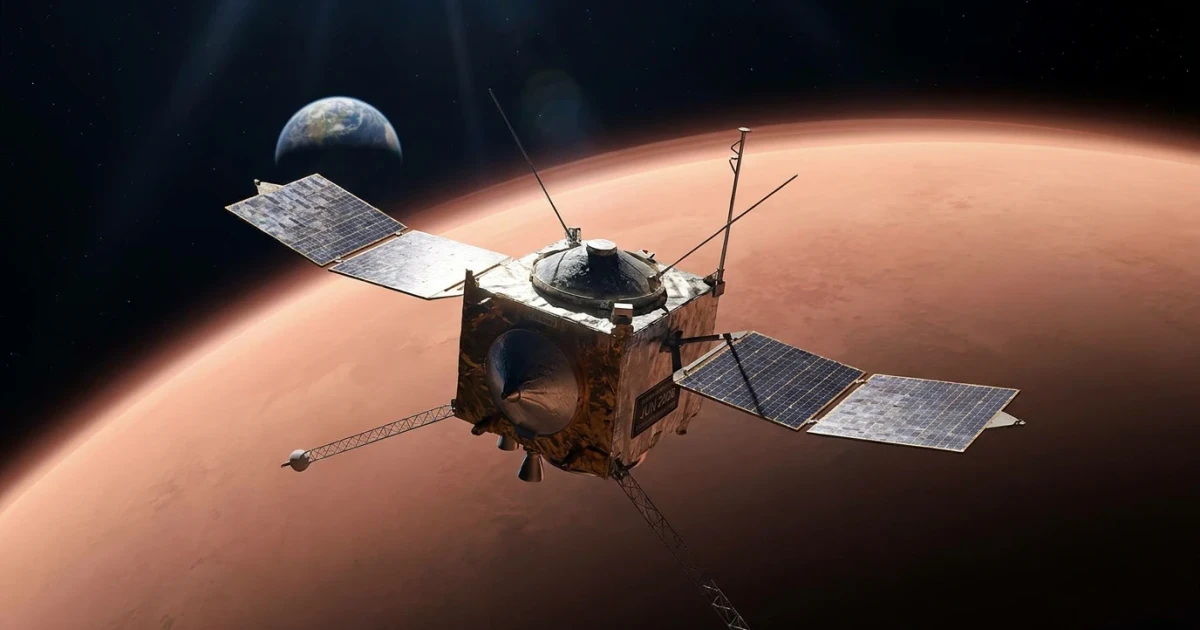
NASA has officially ended its MAVEN mission—a pioneering effort that orbited Mars for over a decade and fundamentally advanced scientists' understanding of the Red Planet’s upper atmosphere. The farewell, announced in tandem by NASA and reported by The New York Times, marks the conclusion of a mission that has delivered critical data, shaped new research directions, and set the stage for future Mars exploration.
Mission Overview: A Decade of Discovery
Launched in November 2013, the Mars Atmosphere and Volatile EvolutioN (MAVEN) spacecraft entered orbit around Mars in September 2014. Its primary objective was to study the loss of Martian atmospheric gases to space—a process believed to have transformed Mars from a once-warm, wet planet to the cold, arid world observed today.
Over ten years in orbit, MAVEN provided uninterrupted observations and sent back vast datasets on the composition, structure, and dynamics of Mars' upper atmosphere. These findings have been instrumental in unraveling how solar wind and radiation strip gases from the planet, driving its ongoing atmospheric loss.
Key Scientific Contributions
- Atmospheric Escape: MAVEN confirmed that solar wind erosion is a major factor in Mars' atmospheric depletion, quantifying the rates at which hydrogen, oxygen, and other gases are lost to space.
- Magnetic Field Insights: Data revealed how Mars' patchy, residual magnetic fields interact with the solar wind, shaping atmospheric loss and influencing auroras.
- Climate Evolution: MAVEN’s long-term monitoring charted seasonal and solar-driven changes, helping researchers reconstruct Mars' drastic climate evolution over billions of years.
The mission’s legacy includes a trove of peer-reviewed studies and a better understanding of habitability on Mars and similar planets.
Why MAVEN’s Mission Ended
According to NASA reports and The New York Times, MAVEN’s end comes after outlasting its original two-year science mission by more than a decade. The spacecraft operated under extended mission phases, continuing to deliver data until its fuel and hardware longevity reached their limits.
NASA officials noted that MAVEN’s science instruments and communications systems operated reliably well beyond expectations. The data it returned will continue to fuel research for years to come.
Impact and Future Directions
MAVEN’s insights have informed not only the scientific community but also future Mars missions. Its relay system supported surface assets like the Curiosity and Perseverance rovers, and its atmospheric findings will guide the design of landers, orbiters, and eventual human missions.
- NASA’s official spacecraft record details MAVEN’s technical achievements and mission milestones.
- Archived datasets are available for researchers worldwide, ensuring that the mission’s discoveries will continue to influence Mars science for decades.
Looking Ahead
As NASA closes the book on MAVEN, the agency is shifting focus to new missions, including sample return initiatives and preparations for eventual human exploration of Mars. The legacy of MAVEN will remain central to any effort to understand the planet’s past, present, and potential to support life.