Science
NASA Confirms Artemis II Launch Unaffected by Major Solar Flare
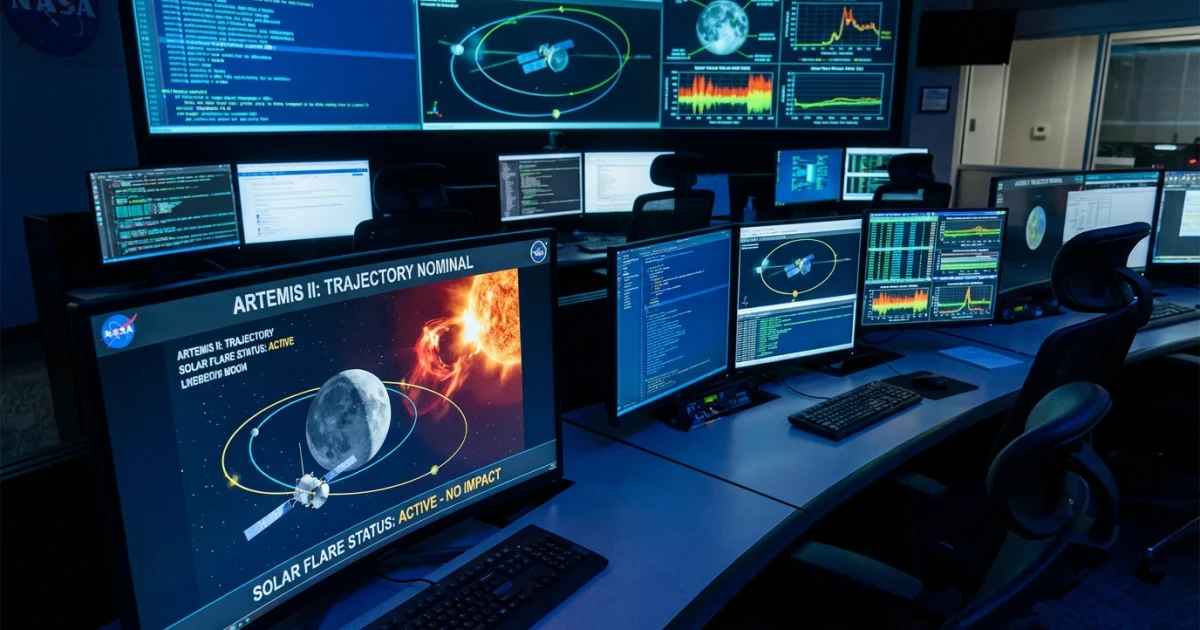
NASA has confirmed that the recent massive solar flare from the sun poses no threat to the upcoming Artemis II crewed mission to the moon. The agency is maintaining its launch schedule, emphasizing the effectiveness of its space weather monitoring and safety protocols.
Powerful Solar Flare Erupts
On March 30, 2026, a significant solar flare erupted from the sun, drawing global attention to potential risks for operations in space. Solar flares are bursts of radiation that can impact satellites, communications, and, in extreme cases, astronaut safety. The latest flare was one of the strongest of the current solar cycle, but NASA officials quickly assessed its potential impact on upcoming missions.
- Solar flares are measured by their X-ray intensity, with higher classifications indicating greater potential disruption. Readers can explore live and historical solar flare data from NOAA.
- NASA maintains a comprehensive solar flare dataset for researchers and the public.
Artemis II Mission Safety
The Artemis II mission, set to send astronauts around the moon, is a critical step in NASA’s lunar exploration roadmap. In light of the recent solar flare, NASA conducted a detailed risk assessment and confirmed that the mission’s timing remains safe. The Artemis II crew and spacecraft are equipped with shielding and protocols designed to mitigate the effects of solar radiation.
According to NASA's space weather and solar activity experts, the agency uses a suite of monitoring tools and predictive models to assess space weather threats in real time. This allows mission planners to adjust timelines if necessary, though in this case, no changes were needed.
Understanding Solar Flares and Space Missions
Space weather events, like solar flares, are a persistent concern for both robotic and human missions beyond low Earth orbit. These high-energy phenomena can disrupt electronics and pose health risks to astronauts without adequate protection. Learning from past events, NASA has prioritized enhanced monitoring and rapid response capabilities to protect missions like Artemis II.
- For more details on how solar activity affects space operations, readers can refer to NASA’s Earthdata article on solar flares and space weather.
- The solar cycle progression and sunspot number data provides context for the frequency and intensity of recent solar events.
Outlook for Artemis II and Beyond
With the Artemis II launch proceeding as planned, NASA’s response to the solar flare highlights the agency’s preparedness for the challenges of deep space exploration. As solar activity continues to fluctuate, ongoing vigilance and robust protective measures remain essential for the safety of astronauts and the success of lunar missions. The Artemis program’s ability to adapt to unpredictable space weather will be pivotal as it aims to pave the way for future human exploration of the Moon and beyond.