Science
NASA Confirms Artemis III Will Fly Without SLS Upper Stage
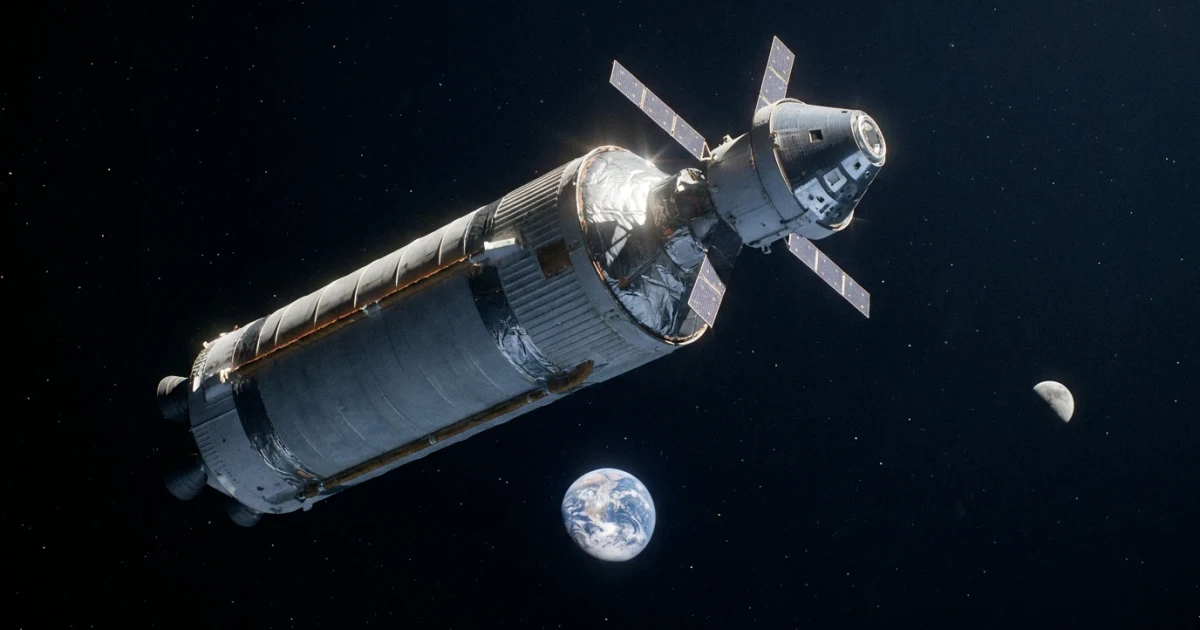
NASA has confirmed that the Artemis III mission, currently targeting a 2027 launch, will utilize the Space Launch System (SLS) rocket without its upper stage for the first crewed lunar landing attempt since Apollo. This decision, reported by SpaceNews and outlined in recent NASA statements, marks a significant shift in the agency’s launch strategy and has implications for the mission architecture, performance, and timeline.
Background: Artemis III and SLS Configuration
The SLS is NASA’s heavy-lift launch vehicle designed to send astronauts and cargo beyond low Earth orbit. For Artemis III, NASA originally considered using the more powerful Block 1B configuration, which includes an Exploration Upper Stage (EUS). However, the agency has now opted for the Block 1 version, which lacks this upper stage and relies solely on the Interim Cryogenic Propulsion Stage (ICPS).
- Block 1 SLS uses four RS-25 core stage engines and two solid rocket boosters, with the ICPS as its uppermost stage.
- Block 1B SLS would add the EUS, increasing payload capacity for future missions.
The decision to fly Artemis III without the EUS is primarily driven by technical readiness and schedule pressure. According to SpaceNews, the upper stage’s development is lagging behind the mission timeline, prompting NASA to move forward with the configuration proven on Artemis I and II.
Mission Impact and Logistics
Without the EUS, Artemis III’s SLS will have a lower payload capacity to lunar orbit. However, NASA has designed the mission architecture to work within these constraints. The mission plan calls for the SLS to launch the Orion crew capsule to lunar orbit, where it will rendezvous with a pre-positioned lunar lander supplied by a commercial provider.
- Orion will carry a crew of four astronauts to lunar orbit.
- A separate commercial launch will deliver the Human Landing System (HLS) ahead of time.
- The crew will transfer from Orion to the HLS in lunar orbit for descent to the surface.
NASA’s approach reflects a hybrid strategy, leveraging both government and commercial capabilities to achieve the lunar landing. The agency has stated that the absence of the EUS does not jeopardize the primary mission objectives but does place more emphasis on precise orbital operations and commercial partner readiness.
Analysis: Technical and Programmatic Factors
Experts note that flying Artemis III with Block 1 SLS is a pragmatic choice to keep the program moving forward. The Artemis program’s technical roadmap has been challenged by supply chain delays and the complexity of developing the upper stage. By sticking with a proven SLS configuration, NASA reduces risk for the first crewed lunar landing attempt in over 50 years.
- The ICPS has already flown successfully on Artemis I and is scheduled for Artemis II.
- Block 1B and the EUS are expected to be introduced for Artemis IV and later missions, enabling greater cargo and crew flexibility.
- NASA’s official SLS mission data confirms the Block 1 configuration for Artemis III, with detailed performance statistics available for public review.
According to program officials cited by SpaceNews, this strategy represents a balance between technical feasibility and the urgency of returning humans to the Moon. The absence of the upper stage means that future Artemis missions will be able to carry heavier payloads and more complex hardware, once the EUS is ready.
Looking Ahead
With Artemis III targeting a 2027 launch, NASA will closely coordinate with its commercial partners to ensure all pieces of the mission align. The decision to fly without the SLS upper stage is a calculated adjustment that keeps the ambitious lunar landing goal within reach, even as development challenges persist.
As the Artemis program evolves, stakeholders and the public alike can explore mission details, technical data, and program status through NASA’s official records and analysis portals.