Technology
NASA considers sending Perseverance rover model to the Moon
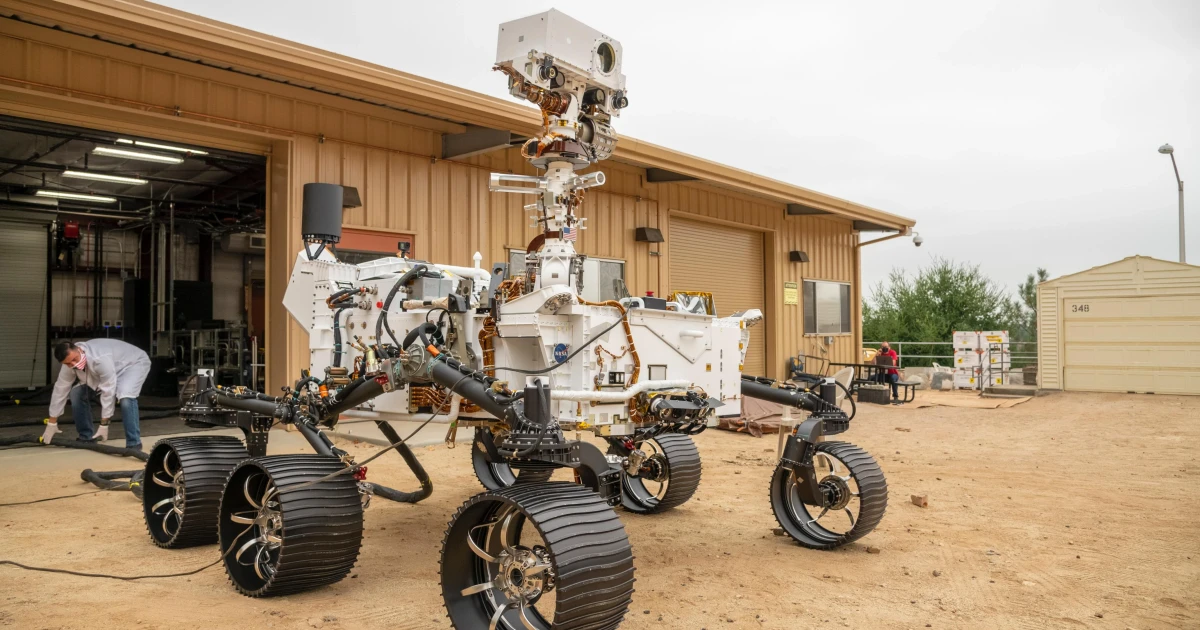
NASA officials said Tuesday they were seriously considering sending the full-scale engineering model of Perseverance, now housed at the Jet Propulsion Laboratory in California, to the Moon. The move would turn one of Mars exploration’s best-known machines into a testbed for a longer-range lunar rover, a capability one NASA official called “an awesome capability.”
The logic is practical. NASA’s current rover prototype, ERNEST, is 4 feet, or 1.2 meters, long and is already being driven through desert field tests to refine mobility hardware and autonomy software for a possible future lunar rover. NASA says those upgrades could carry over to missions on the Moon and Mars, especially in places where terrain is rough and operators on Earth cannot steer every move in real time.
That emphasis on autonomy fits a broader agency strategy that is leaning harder on power and propulsion. In March 2026, NASA announced Space Reactor 1 Freedom, or SR-1, a nuclear-electric propulsion spacecraft targeted for launch at the end of 2028, and framed it as a major step in moving nuclear power and propulsion from the laboratory into space. NASA also outlined a three-phase lunar base strategy that includes nuclear-driven heat and power on the Moon. Perseverance itself runs on a Multi-Mission Radioisotope Thermoelectric Generator, a “nuclear battery” that uses plutonium-238 heat to generate about 110 watts of electricity at the start of the mission.
Perseverance is not a blank-sheet design. It landed in February 2021 and is based on the Curiosity rover configuration, but with additional science and technology tools, including the ability to sample and cache minerals. NASA says the rover has already delivered a first AI-planned drive on Mars in 2026, a milestone that underscores how much of the agency’s future surface strategy depends on software as much as hardware.
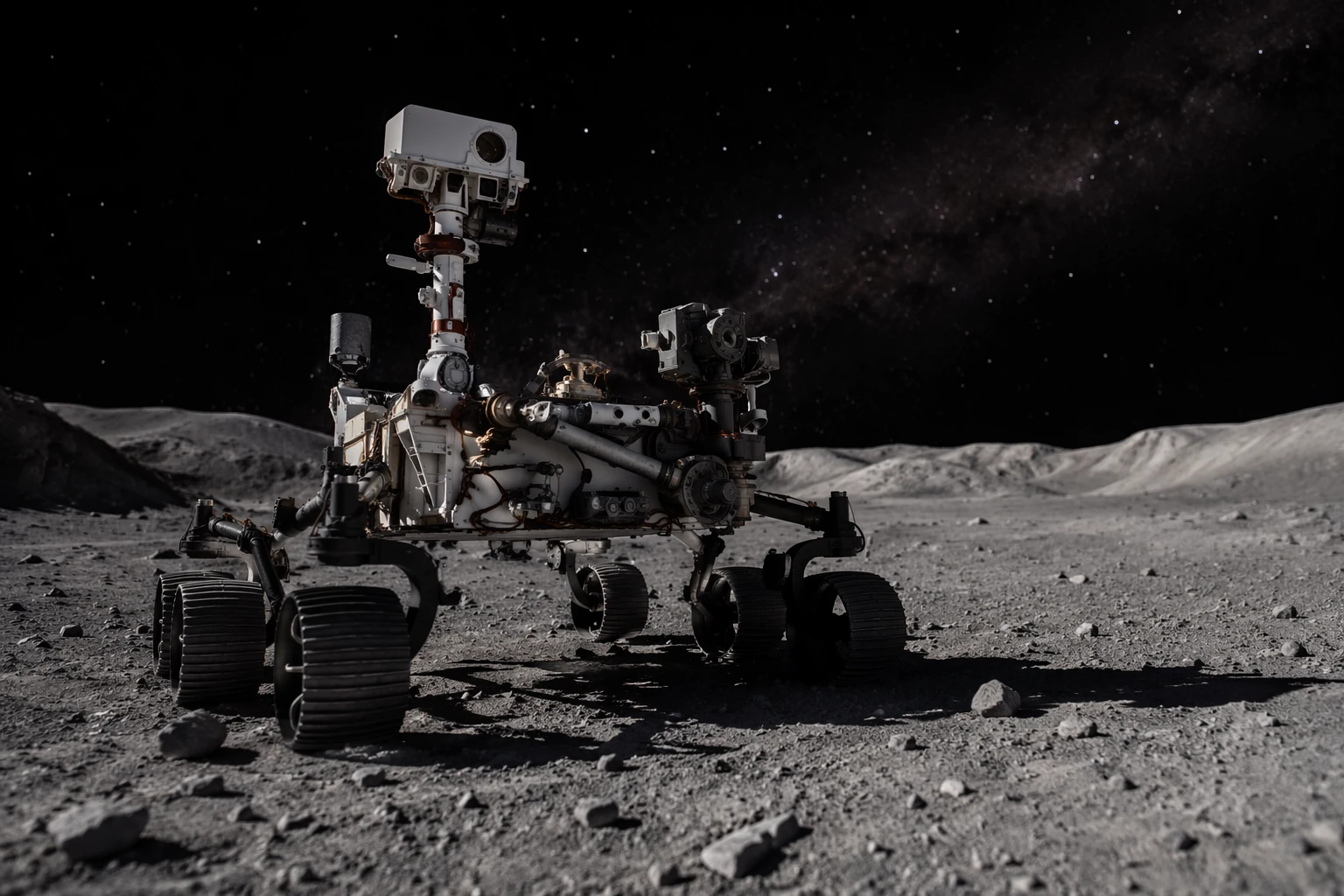
The timing matters. NASA has previously said its original Mars Sample Return architecture could cost up to $11 billion and might not bring samples home until 2040, a delay that has forced the agency to search for cheaper paths. Perseverance has kept collecting samples while those plans have been rewritten, which has made both the rover and its engineering model more valuable as assets for future exploration.
JPL’s Rover Operations Center is meant to support future Moon and Mars surface missions through partnerships and technology transfer. If NASA sends the Perseverance model lunarward, it would signal more than hardware reuse. It would show an agency trying to build a Moon program around bigger rover range, more onboard decision-making, and systems that can do more before astronauts arrive.
Sources
- [1]arstechnica.com
- [2]jpl.nasa.gov
- [3]nasa.gov
- [4]spacenews.com
- [5]science.nasa.gov