Science
NASA Directs ISS Crew to Shelter During Air Leak Response
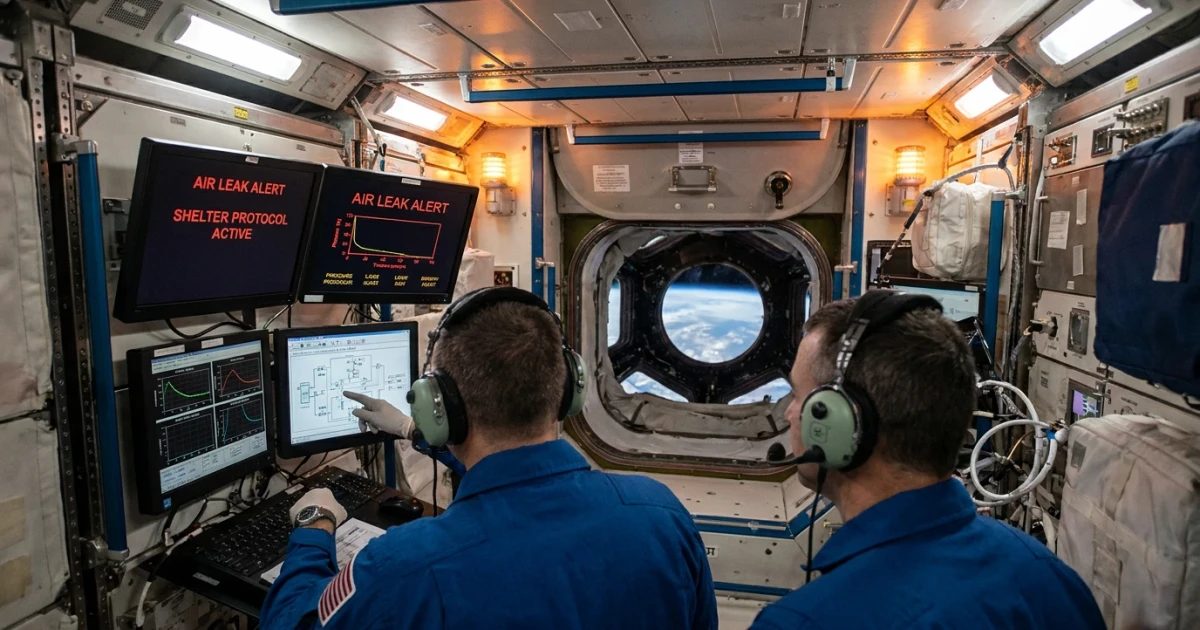
NASA instructed astronauts aboard the International Space Station (ISS) to shelter in their designated modules on Wednesday as ground teams worked to address a detected air leak, according to multiple reports. The alert was later reversed after engineers stabilized the situation and determined the crew was not in immediate danger.
Air Leak Detected on the ISS
The incident began when ISS ground controllers identified a small but persistent drop in cabin pressure. NASA's safety protocols quickly went into effect, directing the crew to shelter in the Russian segment of the station while specialists on the ground assessed the situation. According to the official ISS status reports, the leak was minor and did not endanger the crew at any point, but caution was exercised due to the ongoing investigation.
NASA’s Response and Crew Safety Measures
NASA’s immediate response highlights the agency’s commitment to crew safety and robust emergency procedures. As detailed in NASA’s ISS operations explainer, crew members are trained for such scenarios, which can include temporarily sheltering in modules with reinforced life-support systems while ground teams diagnose and address the problem. The shelter-in-place order was a precautionary measure to prepare for any potential escalation while engineers localized the source of the leak.
- The ISS is equipped with atmospheric sensors that constantly monitor pressure and air quality.
- Emergency protocols include closing internal hatches and isolating modules to prevent the spread of leaks.
- NASA conducts regular safety and equipment tests to ensure rapid response capability.
Investigation and Repair Efforts
As engineers worked to track down the leak, the astronauts remained in their designated safe zones. NASA has previously faced similar challenges, such as the 2020 air leak incident, where a slow drop in pressure was traced to a small crack in a Russian module. In those cases, real-time data and close coordination between international partners were key to a successful resolution.
After several hours of analysis, NASA reversed the evacuation alert, allowing astronauts to resume normal operations. The agency emphasized that at no time was the crew at risk of running out of breathable air or being forced to evacuate. The ISS is designed with redundancy in its life support and pressure systems, minimizing the risk associated with minor leaks.
ISS Structure and Safety Redundancies
The ISS consists of multiple interconnected modules from various partner agencies, each with its own pressure hull and safety features. In the event of a leak, hatches between modules can be sealed to isolate the affected area while repairs are conducted. These built-in redundancies have ensured crew safety since the station's first crew arrived more than two decades ago.
What Comes Next
NASA and its international partners will continue to monitor the affected area and review sensor data to determine the exact cause of the pressure loss. Any necessary repairs will be scheduled to minimize disruption to the ISS’s ongoing science experiments and daily operations. The incident underscores the importance of vigilance and preparedness aboard humanity’s only permanent outpost in space.
As the ISS nears its planned retirement in the coming years, robust engineering, international cooperation, and responsive safety measures remain central to its continued success and the well-being of its crew.