Science
NASA Engineers Solve Artemis II Toilet Challenge
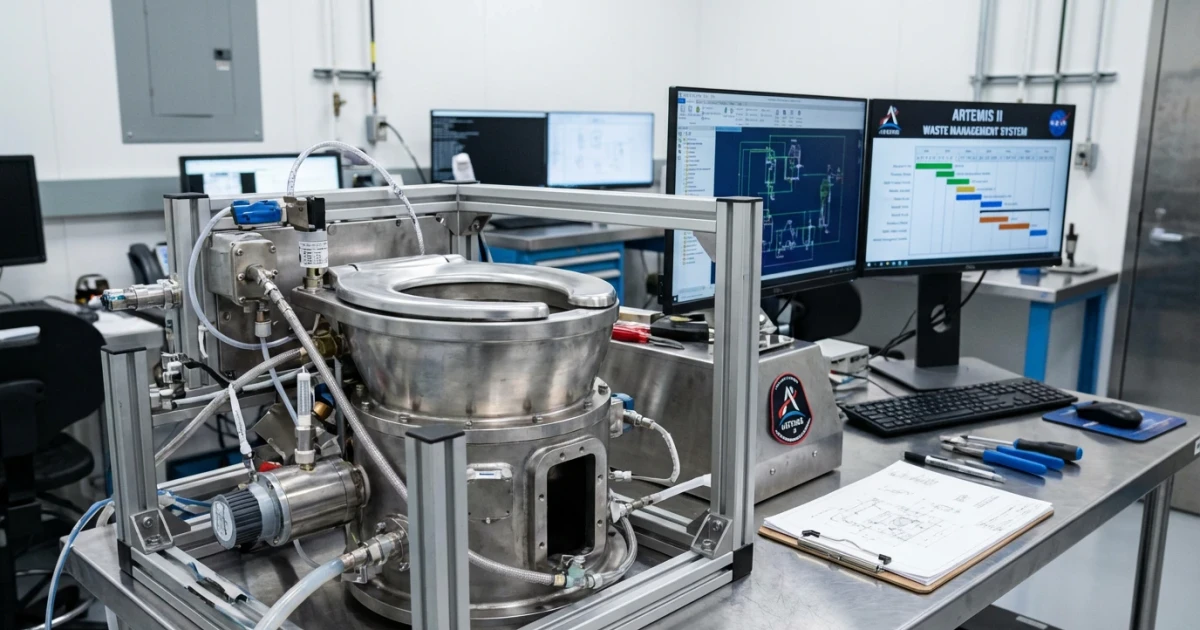
NASA engineers in Houston have resolved a critical technical challenge ahead of the Artemis II mission, successfully repairing a toilet malfunction that could have jeopardized crew health and mission objectives during the first crewed lunar flyby in more than 50 years.
Toilet Troubles Threaten Moon Mission
The issue centered around the Orion spacecraft’s waste management system—a critical component for any long-duration spaceflight. According to reporting from chron.com and Yahoo, a malfunction was detected in the toilet system designed to handle waste during the approximately 10-day Artemis II mission. This mission marks a significant step in NASA’s ongoing lunar exploration program and will carry four astronauts around the Moon and back to Earth.
Houston Engineers Step In
Upon discovery of the problem, NASA’s Houston-based engineering teams mobilized to diagnose and resolve the issue. The Artemis II mission’s timeline left little room for error, as delays related to onboard life support or sanitation systems could cascade into larger mission setbacks. Space toilets, formally known as Environmental Control and Life Support Systems (ECLSS), are essential for maintaining crew health, managing hygiene, and preventing contamination in the confined quarters of the Orion capsule.
What Went Wrong?
While the specific technical details were not disclosed, sources highlight that the problem involved the waste containment and processing unit, which must function reliably in microgravity to collect, store, and ultimately dispose of human waste safely. Space toilets have evolved significantly since the early days of Apollo, now employing advanced air-flow and filtration mechanisms to separate liquids and solids, as explained in NASA’s toilet explainer.
Swift Solution Ensures Mission Readiness
NASA’s engineering team worked through several possible solutions, ultimately implementing a fix that restores full functionality to the waste management system. This intervention was critical not just for astronaut comfort, but for overall life support and mission safety. As past missions have shown, even minor issues with toilets can escalate, affecting air quality and crew morale.
- Artemis II will be the first crewed mission to leave low Earth orbit since Apollo 17 in 1972.
- The four-person crew will spend about 10 days in space, making reliable sanitation systems essential.
- Orion’s toilet is a key part of the overall life support system, ensuring waste is safely contained and does not threaten the cabin environment.
The Stakes of Space Sanitation
Experts note that waste management is one of the less glamorous but most vital aspects of human spaceflight. According to NASA’s engineering analysis, improvements to the Orion toilet were designed to support mixed-gender crews and longer missions. The Artemis II challenge highlights how even highly tested systems can encounter last-minute glitches, especially as missions grow in complexity and duration.
Looking Ahead
The successful fix means Artemis II remains on schedule, with astronauts now able to rely on a fully operational waste management system. NASA continues to refine space toilet technology in preparation for even longer journeys, including Artemis III’s planned lunar landing and eventual missions to Mars.
The incident serves as a reminder of the thousands of engineering details that underpin human spaceflight—and the critical role Houston engineers play in solving problems, both big and small, to keep astronauts safe and missions on track.