Science
NASA Faces Unexplained Medical Emergency on Space Station
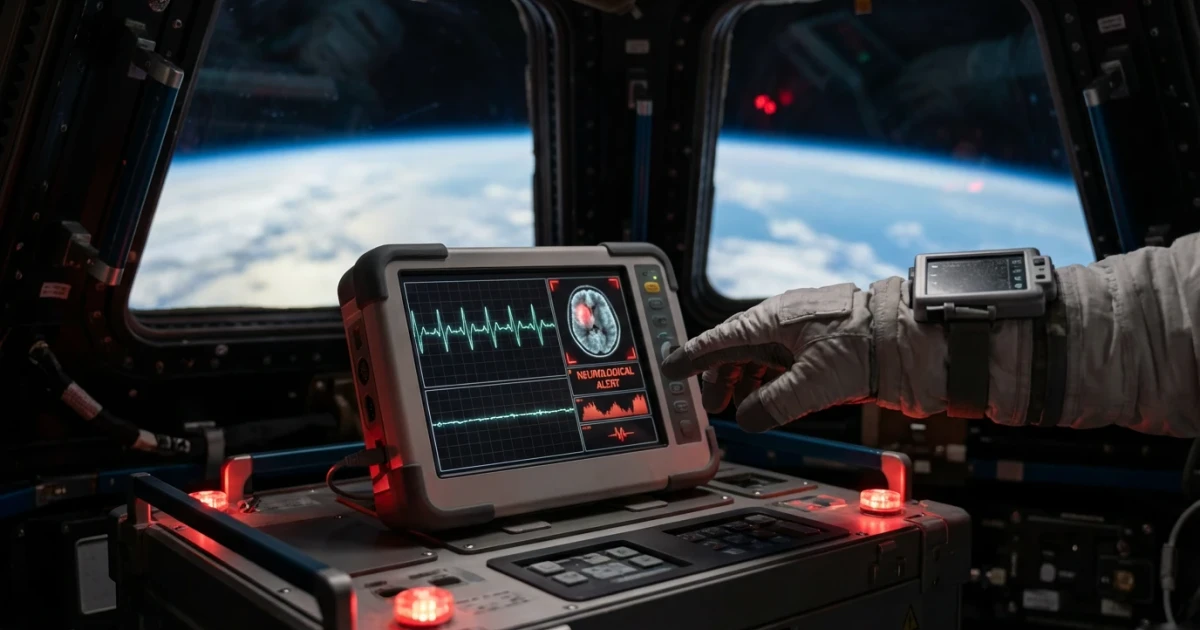
Astronaut safety aboard the International Space Station (ISS) is once again under scrutiny after a NASA crew member experienced an unexplained medical emergency that left them unable to speak, leading to a rapid evacuation from orbit.
Mysterious Neurological Event in Orbit
This incident, first reported by ScienceAlert, involved a NASA astronaut who suddenly lost the ability to speak while aboard the ISS. The astronaut’s condition, which unfolded without warning, forced mission controllers to initiate emergency procedures and return the crew member to Earth for further medical evaluation. Despite extensive testing and analysis, NASA doctors remain unsure about the root cause behind the astronaut’s abrupt neurological symptoms.
Medical Emergencies in Space: Rare but Serious
Medical emergencies in space are rare but can have significant consequences. According to a NASA technical report reviewing medical events during space missions, the majority are minor illnesses or injuries, while serious neurological incidents—such as sudden speech loss—are extremely uncommon. However, the unique environment of microgravity, exposure to radiation, and the isolation of spaceflight all increase medical risk for astronauts, who are often hundreds of kilometers from definitive care.
- NASA’s official ISS Medical Checklist details protocols for a range of possible emergencies, including neurological symptoms.
- Peer-reviewed analysis of medical events reported during spaceflight highlights headaches, vision changes, and other neurological symptoms but notes that sudden loss of speech is virtually unprecedented.
Evacuation Protocol Activated
According to reports, the astronaut’s loss of speech occurred without prior symptoms, triggering the ISS crew to consult with ground medical teams and enact emergency return protocols. This rapid evacuation underscores the challenges of providing advanced neurological care in space, where diagnostic tools and treatments are limited. NASA’s medical teams on Earth continue to investigate, but the cause behind the speech loss remains elusive.
Ongoing Research Into Space Neurology
The incident has intensified ongoing research into neurological risks associated with spaceflight. NASA has identified conditions such as Spaceflight Associated Neuro-ocular Syndrome (SANS), which affects vision and brain function, as a priority for study. The Behavioral Health and Performance element of NASA’s Human Research Program is also actively examining behavioral and neurological health risks for astronauts, including cognitive and sensory changes.
Long-duration missions, such as those planned for Mars, present additional challenges. A recent risk analysis of medical events during extended space missions underscores the need for improved diagnostic tools and risk mitigation strategies for neurological events, including stroke-like symptoms and speech disorders.
Implications for Future Missions
This case highlights the importance of robust medical support systems and research into spaceflight’s effects on the human nervous system. As NASA and its international partners prepare for longer and more distant missions, understanding—and preparing for—neurological health risks will remain a top priority. The recent event on the ISS is a stark reminder that, despite decades of spaceflight experience, the human body can still react in unexpected ways to the challenges of space.
NASA has not released further details on the astronaut’s current condition or the results of ongoing investigations. The agency remains committed to transparency and to advancing medical research to ensure the safety of future crews.