US News
NASA hires Katalyst to boost Swift telescope before reentry
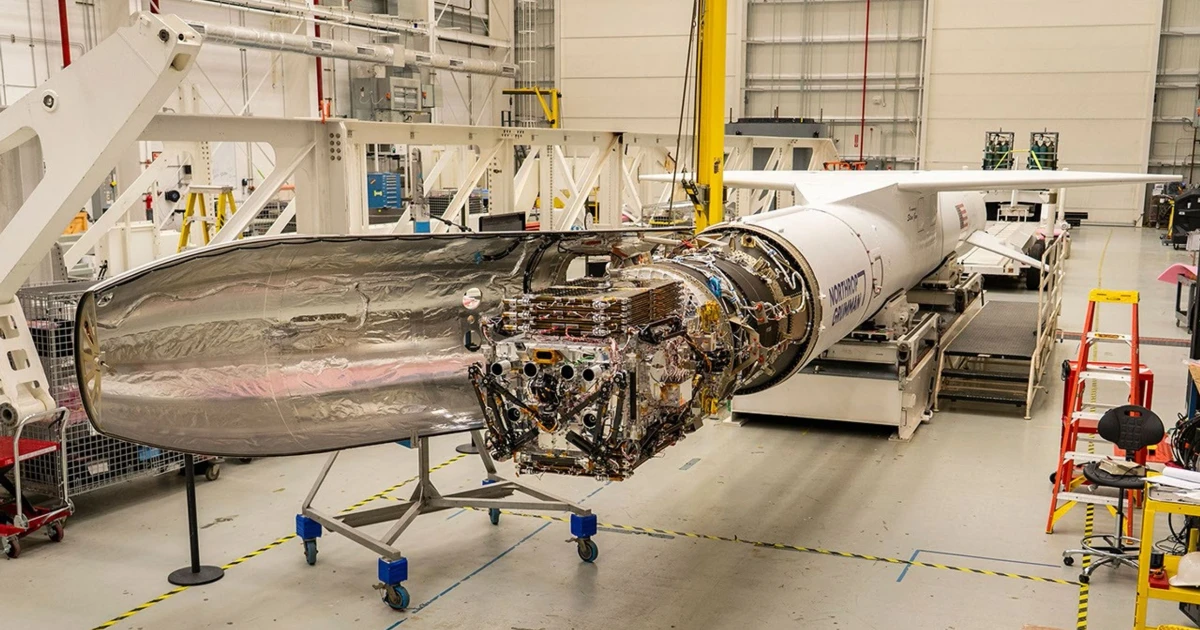
On June 9 at NASA’s Wallops Flight Facility in Virginia, NASA integrated Katalyst Space Technologies’ LINK spacecraft with Northrop Grumman’s Pegasus XL rocket, pushing forward a $30 million attempt to rescue the Neil Gehrels Swift Observatory from a shrinking orbit. NASA says Swift, which could re-enter Earth’s atmosphere in fall 2026 without help, needs to stay at least 185 miles, or 300 kilometers, above Earth for the best chance of a successful boost.
Launched on November 20, 2004, and renamed in 2018 for astrophysicist Neil Gehrels, the observatory was built to study gamma-ray bursts and other violent cosmic events with three telescopes spanning visible, ultraviolet, X-ray and gamma-ray light. Swift has become a fast-response tool for tracking supernovae, novae, tidal disruption events, black hole transients and comets, all of them phenomena that can fade quickly and are difficult to catch with a replacement mission already years away.
Recent increased solar activity has raised atmospheric drag and pulled Swift down from about 600 kilometers to roughly 400 kilometers, NASA says. Katalyst said Swift was worth about $500 million and estimated that the mission could extend the spacecraft’s life by years. NASA says the rescue is a more affordable path than building a new mission to replace Swift’s unique science return.
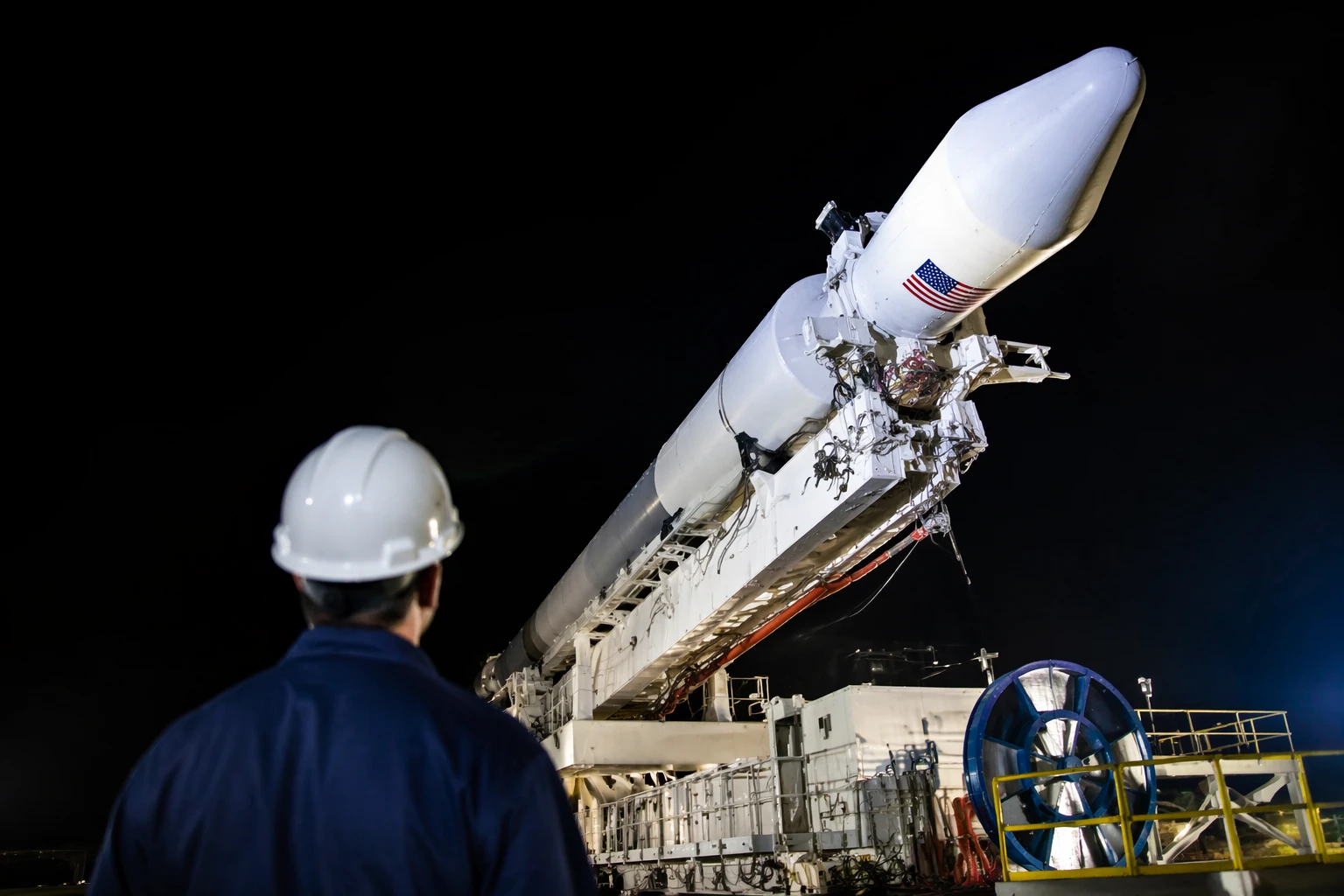
It is the first time a commercial robotic spacecraft will attempt to capture a government satellite that is uncrewed and was never designed for in-space servicing. NASA points to possible uses in Artemis, Mars and national security missions, where rapid-response maintenance could keep hardware useful longer.
LINK was scheduled to launch from Kwajalein Atoll in the Republic of the Marshall Islands, with Northrop Grumman’s Stargazer aircraft carrying the Pegasus XL to about 40,000 feet before release over the South Pacific Ocean. The spacecraft would then spend several weeks in commissioning, follow with a slow rendezvous and capture that could take about a month, and gradually raise Swift’s orbit over several more months.
Sources
- [1]cbsnews.com
- [2]science.nasa.gov
- [3]nasa.gov
- [4]katalystspace.com