Science
NASA Labels Boeing Starliner Failure as Type A Mishap
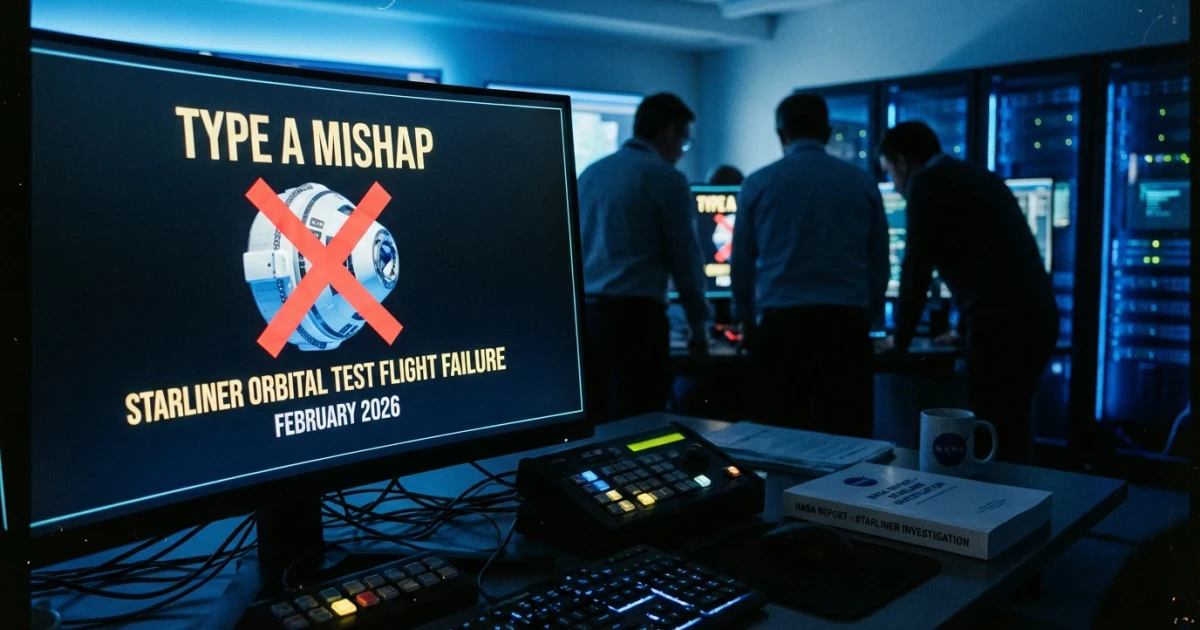
NASA has formally classified the recent failure involving Boeing's Starliner spacecraft as a Type A mishap, the agency’s highest severity level for mission incidents. This designation, confirmed by recent official reports and widely covered by outlets including Jalopnik and Astronomy Magazine, signals significant consequences for NASA, Boeing, and the future of commercial crewed spaceflight.
Understanding the Type A Mishap Classification
A Type A mishap is defined by NASA as an event resulting in a loss exceeding $2.5 million, a fatality or permanent total disability, or destruction of a major NASA asset. The Starliner incident’s classification at this level places it among the most serious mishaps in recent NASA history. According to NASA mishap statistics, Type A mishaps are rare but can have wide-ranging impacts on program schedules and contractor relationships.
Details of the Starliner Incident
The Starliner, developed by Boeing as part of NASA’s Commercial Crew Program, experienced a critical failure during its most recent flight test. Both Jalopnik and Astronomy Magazine report that the failure has prompted an extensive investigation into its root causes and the adequacy of the spacecraft’s design and operational protocols.
- The incident resulted in the test mission’s early termination.
- NASA’s official reports confirm the mishap met several Type A criteria, including significant asset loss and mission failure.
- An independent review panel, cited by Jalopnik, has leveled sharp criticism at both NASA management and Boeing for their handling of the mission’s preparation and execution.
Independent Review and Criticism
As reported by Jalopnik, the independent investigation into the Starliner incident did not just focus on technical malfunctions but also highlighted broader management issues. The panel’s findings point to shortcomings in oversight, communication, and risk mitigation strategies both within NASA and at Boeing.
- The report criticized NASA’s management for not adequately addressing previously identified risks.
- Boeing’s preparation and readiness for the flight were found lacking, raising questions about overall program reliability.
While the Astronomy Magazine coverage emphasized the official mishap classification, Jalopnik’s reporting underscored the deeper concerns about project management and culture that may have contributed to the incident.
Implications for NASA and Boeing
The Type A mishap designation means that NASA’s internal investigation process will now intensify, with a focus on identifying root causes, accountability, and corrective actions. For Boeing, this development puts additional pressure on the company to resolve technical and operational issues before any future Starliner flights can proceed.
- Program delays are likely, as NASA’s safety standards require all identified faults be addressed before resuming crewed missions.
- The incident has renewed scrutiny of the Starliner’s flight test data and Boeing’s role as a commercial partner.
Looking Ahead
The Starliner mishap marks a significant challenge for NASA’s commercial crew ambitions. Both agency and contractor face the task of restoring confidence in the program through transparent investigation, technical fixes, and improved management practices. As NASA continues its review process, stakeholders across the aerospace community will be watching closely for lessons learned and assurances that future missions will meet the highest safety standards.