World
NASA maps August 12 total solar eclipse across Europe and Arctic
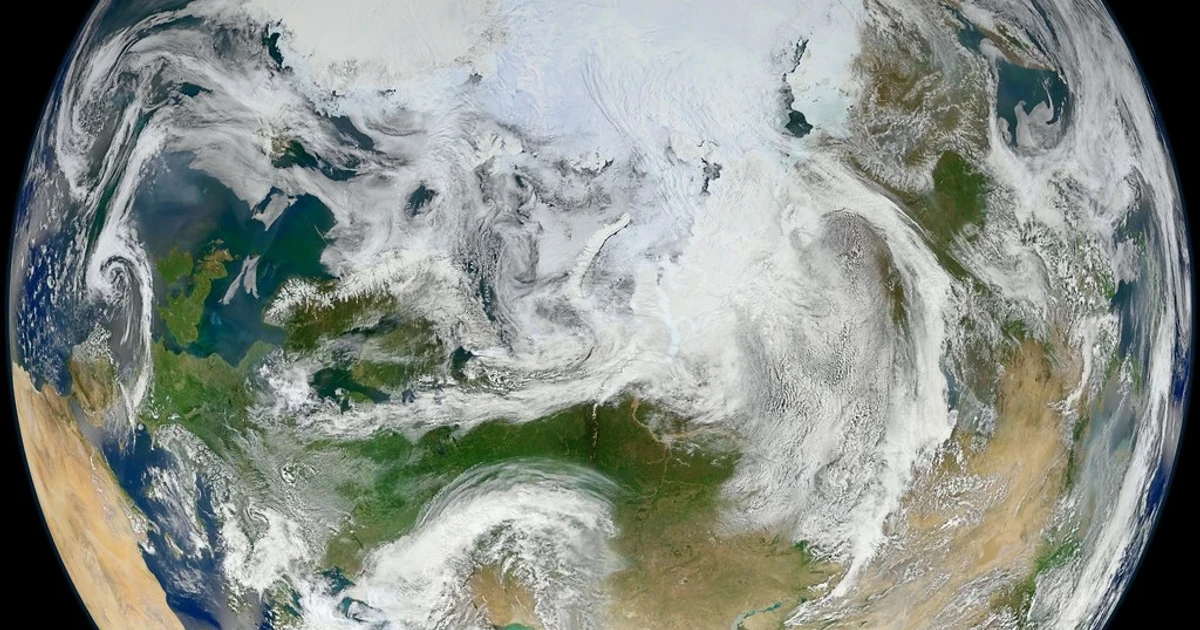
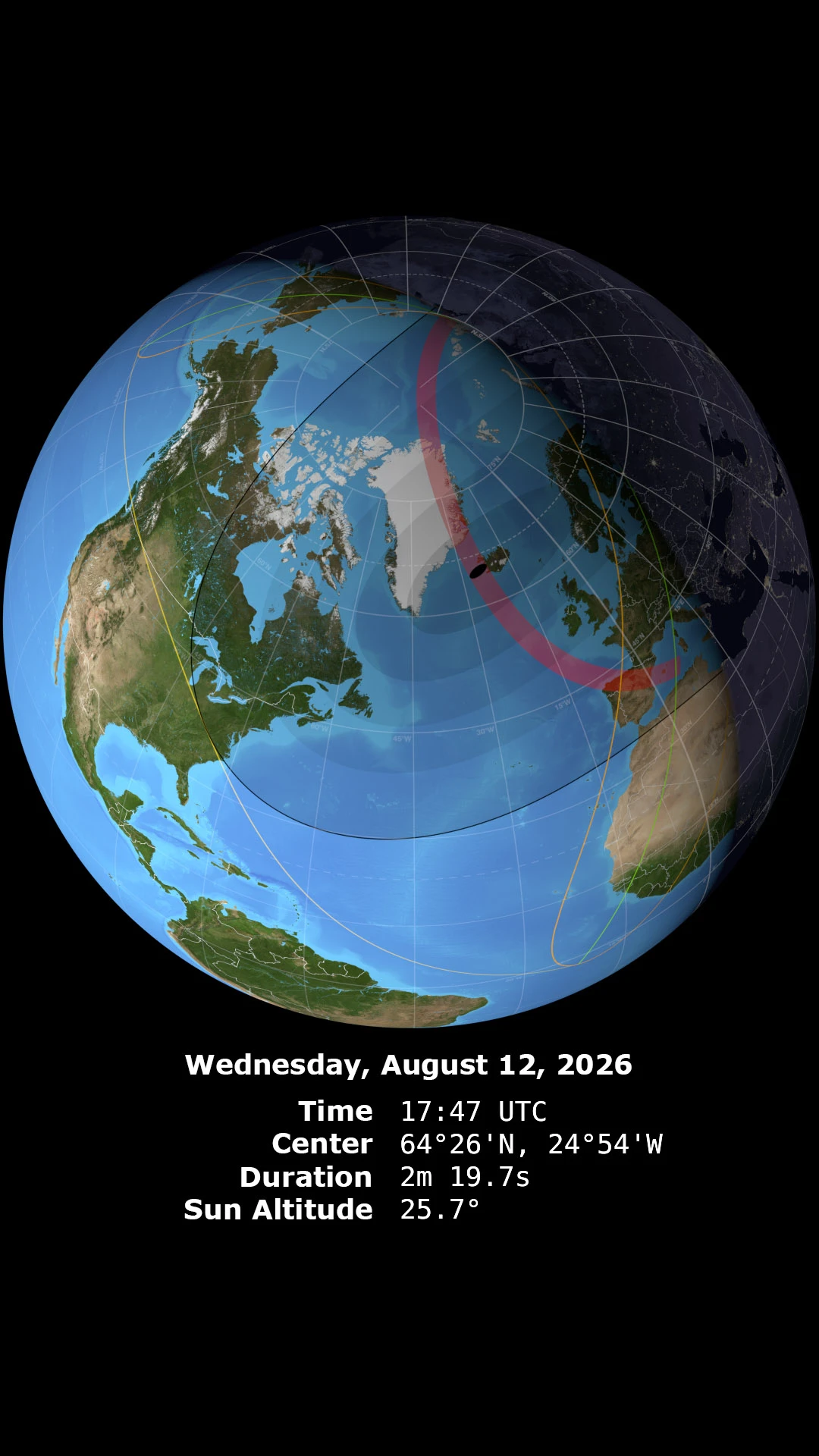
People in the Midwest and Northeast United States will see only a partial eclipse on Wednesday, August 12, while the narrow path of totality stays far to the east, crossing Greenland, Iceland, Spain and Portugal. NASA released its eclipse map on May 22, and the agency’s path materials place the total solar eclipse over Russia, Greenland, Iceland, Spain and Portugal.
If you want totality, travel is the only way to get it. Eclipse guides put the maximum duration at 2 minutes and 18 seconds, a brief window that makes location the central planning question. National Geographic says the best views will come along a narrow track from Greenland and Iceland to northern Spain and Portugal, where the Sun’s corona will become visible in full darkness.
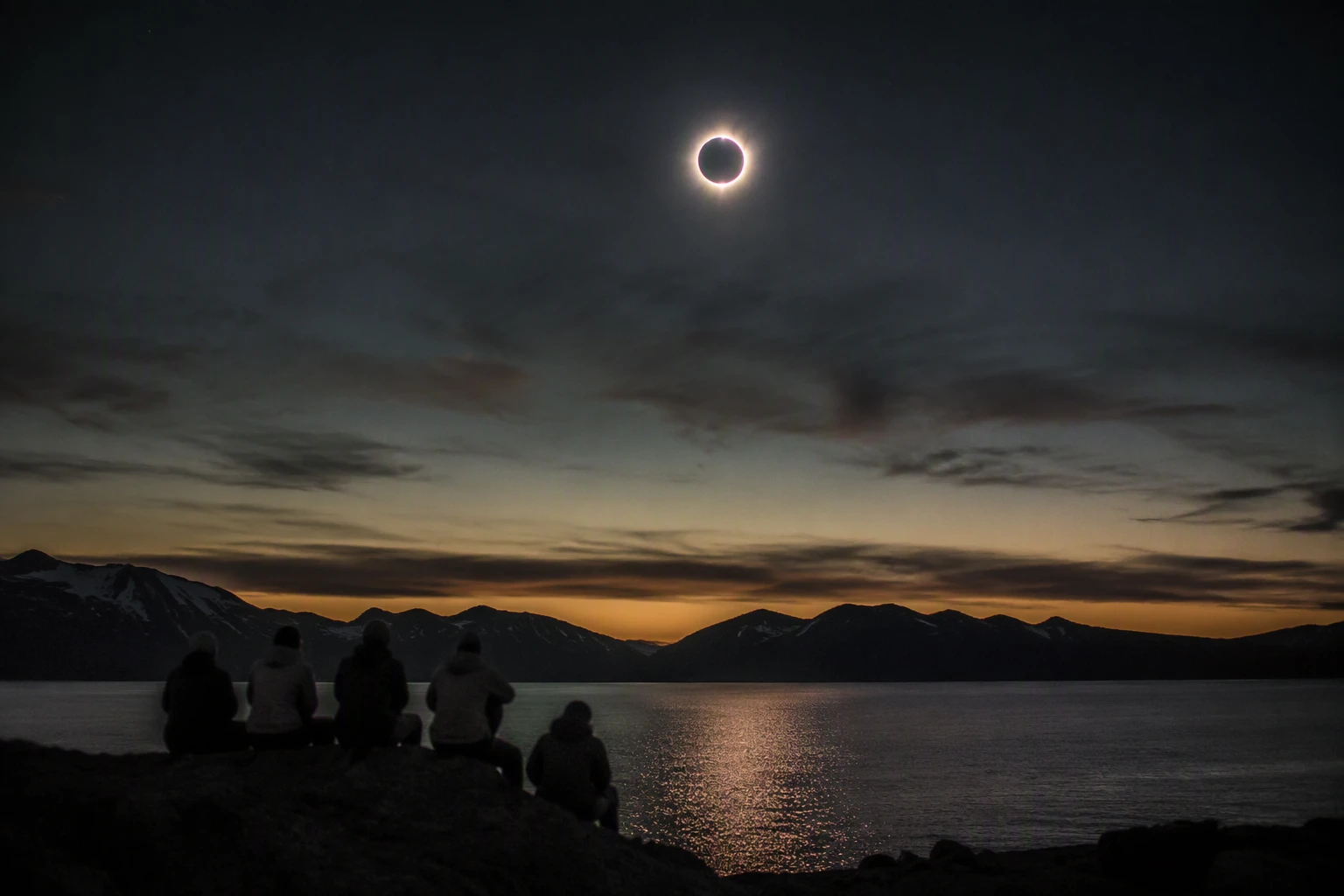
Weather will matter just as much as geography. NASA said some of the best science data will come from its WB-57 research jet flying at about 50,000 feet, above most clouds, dust and water vapor in the stratosphere. That aircraft plan reflects the same problem ground observers face: a clear sky can make the difference between a memorable eclipse and a washed-out one.
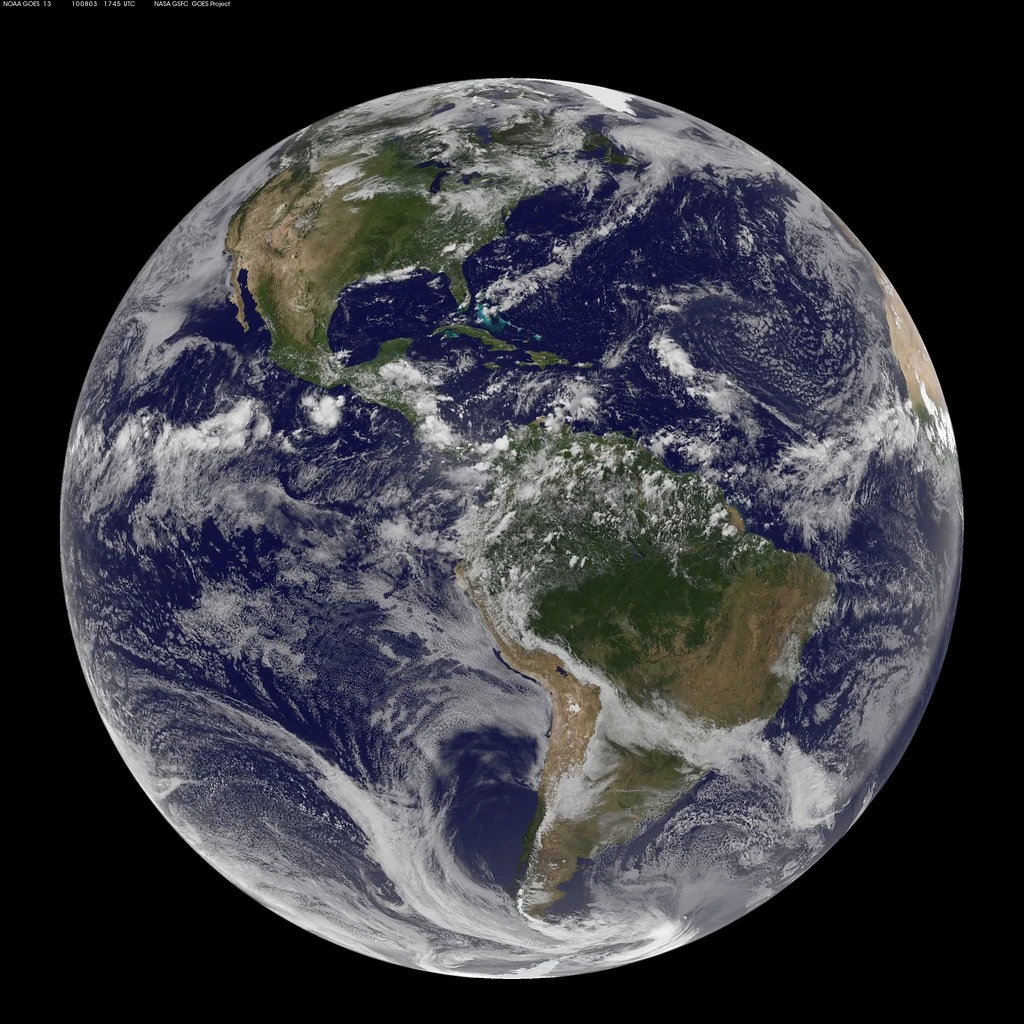
For people staying in the United Kingdom and Ireland, the show will be partial but substantial. The Royal Observatory Greenwich says the Moon will cover around 90% to 96% of the Sun there, making it the best solar eclipse visible from the UK and Ireland so far this century. BBC Sky at Night Magazine notes that the British Isles have not seen a deep solar eclipse since 2015, and BBC News says the last total solar eclipse over the UK came in 1999. The Exploratorium adds that August 12 will be the first total solar eclipse for mainland Europe since 1999.
Anyone outside totality, including viewers in parts of the Midwest and Northeast, Canada and Alaska, will still need eclipse glasses or another safe viewing method. The event is a rare one for Europe and the Arctic, but for most Americans it will be a partial eclipse, not a total one, and that changes both the viewing plan and the reason to travel.
Sources
- [1]news.google.com
- [2]nationalgeographic.com
- [3]svs.gsfc.nasa.gov
- [4]science.nasa.gov
- [5]rmg.co.uk
- [6]skyatnightmagazine.com
- [7]bbc.co.uk
- [8]exploratorium.edu
- [9]eclipsewise.com
- [10]timeanddate.com