US News
NASA names Artemis III crew for lunar lander docking tests
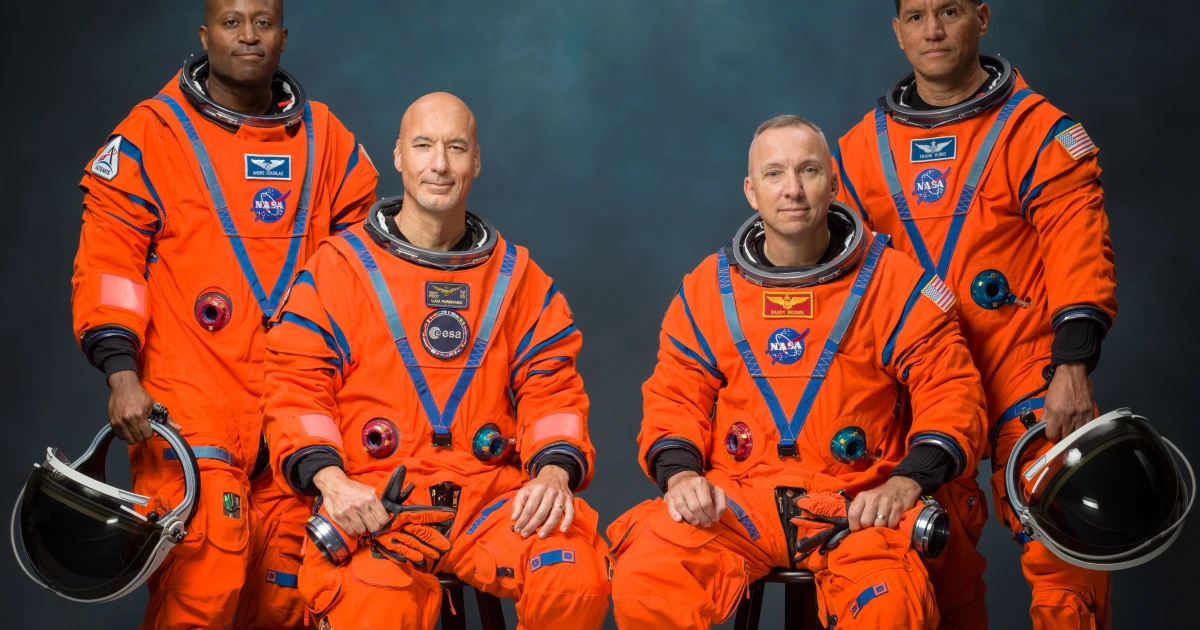
NASA put four astronauts on Artemis III and turned the mission into a live test of whether Orion can rendezvous and dock with the commercial landers that will carry the program deeper into the Moon campaign. The agency said the 2027 flight will launch from Kennedy Space Center on the SLS rocket and Orion spacecraft, with the goal of reducing risk before Artemis IV, now planned as the first crewed mission to the lunar South Pole in 2028.
The prime crew announced on June 9 consisted of Randy Bresnik as commander, Luca Parmitano as pilot, and Andre Douglas and Frank Rubio as mission specialists. NASA also named Bob Hines as the backup crew member. The agency said the crew will begin training immediately on Orion systems and will help develop and operate test versions of the Blue Origin and SpaceX landers that are part of the broader lunar architecture.
That architecture matters because Artemis III is being framed less as a ceremonial crew assignment than as a systems check on a network of hardware and procedures that must work together on schedule. NASA said the mission will be a crewed Earth-orbit test flight that exercises rendezvous and docking between Orion and commercial landers, with integrated testing of hardware, software, propulsion, communications and interfaces. The agency described it as one of the most complex human spaceflight missions in recent history.
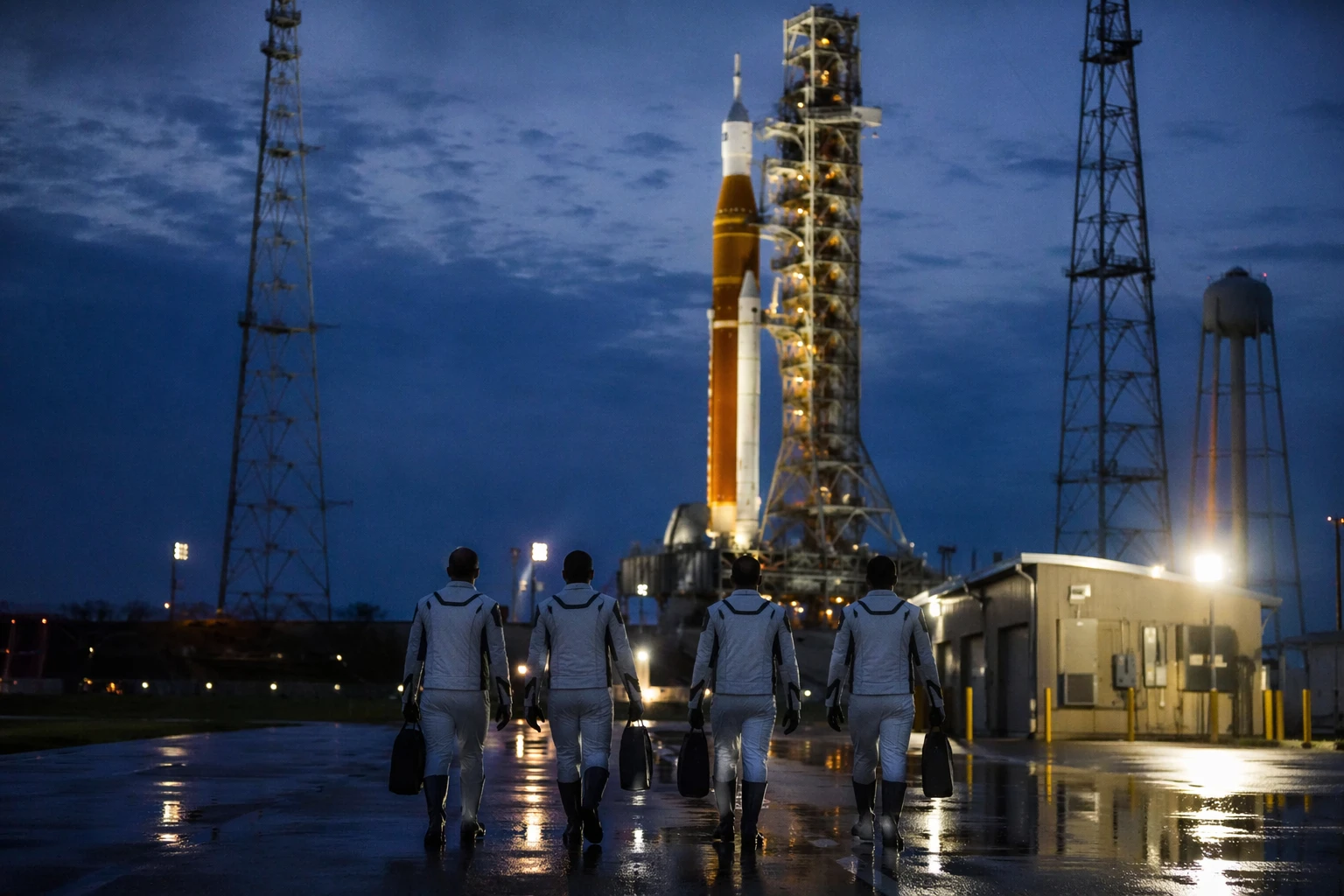
The landing system work is already split among the companies NASA selected. SpaceX is developing Starship HLS for Artemis III and Artemis IV, while Blue Origin is developing Blue Moon HLS for Artemis V. For Artemis III, NASA says the lander will be launched uncrewed to lunar orbit to wait for the crew in the larger mission architecture, even as the newly announced flight itself serves as the key docking and operations test in Earth orbit.
The announcement followed Artemis II, NASA’s first crewed lunar flyby in 50 years. That mission launched on April 1, 2026 and splashed down on April 10 after 9 days, 1 hour and 32 minutes in space, giving the agency its most recent proof point as it moves toward a much harder objective. With Artemis III, NASA is betting that the next step toward the Moon will depend on American launch systems, international partnership and commercial hardware arriving exactly when the program needs them.
Sources
- [1]cbsnews.com
- [2]nasa.gov