US News
NASA names Artemis III crew for moon lander docking tests
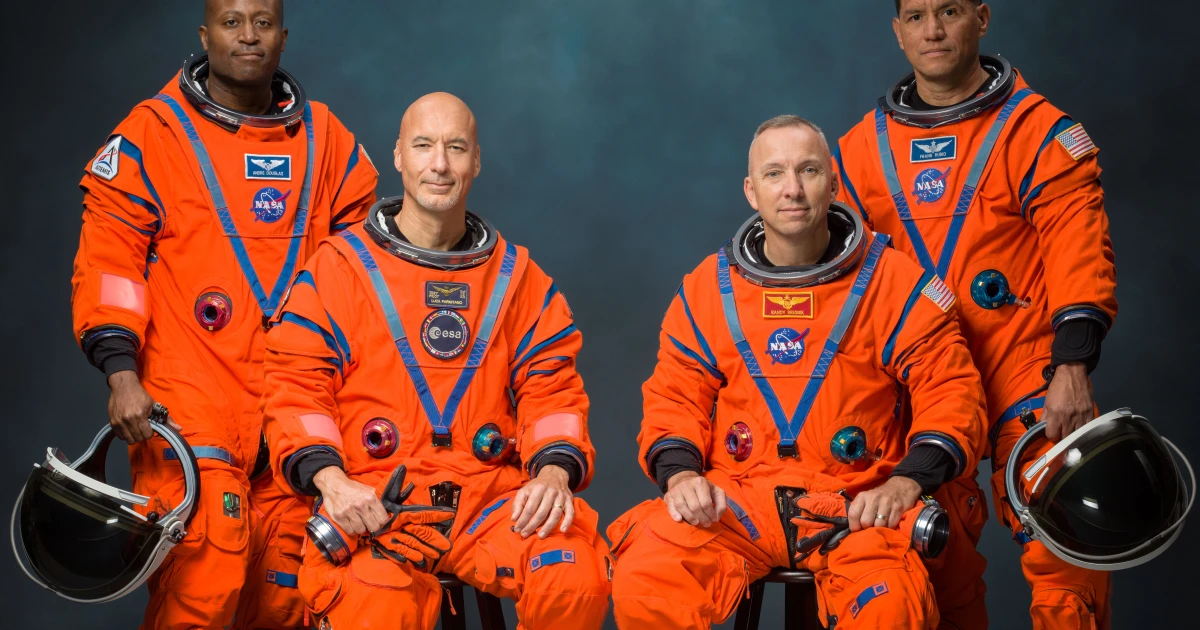
NASA’s Artemis III crew will do more than wear the mission patch. The far bigger question is whether the agency’s commercial moon strategy can hold together long enough to get four astronauts into orbit, connect Orion to a private lander, and keep the schedule pointed toward the lunar South Pole.
NASA named Randy Bresnik as commander, Luca Parmitano as pilot, and Andre Douglas and Frank Rubio as mission specialists, with Bob Hines set as the backup. The agency said the 2027 flight will launch from Kennedy Space Center in Florida aboard the Orion spacecraft on the Space Launch System rocket, then test rendezvous and docking with test versions of one or both commercial human landing systems being built by SpaceX and Blue Origin.
That docking exercise is the mission’s real measure. NASA has described Artemis III as a crewed Earth-orbit test flight and one of the most complex human spaceflight missions it has taken on, built around a multi-launch campaign that will stress hardware interfaces, software, propulsion and communications. The agency says the mission is essential risk reduction for Artemis IV, which it identifies as the first planned crewed mission to the lunar South Pole in 2028.
The crew will begin training immediately on Orion systems and help with the development and operations of the lander test versions. At the announcement in Houston, NASA Administrator Jared Isaacman said the Artemis II astronauts had laid the foundation for the next step, and NASA cast the new crew as taking the torch from that earlier mission. The crew also described the work as a collaborative effort with NASA, the European Space Agency, international partners and industry.
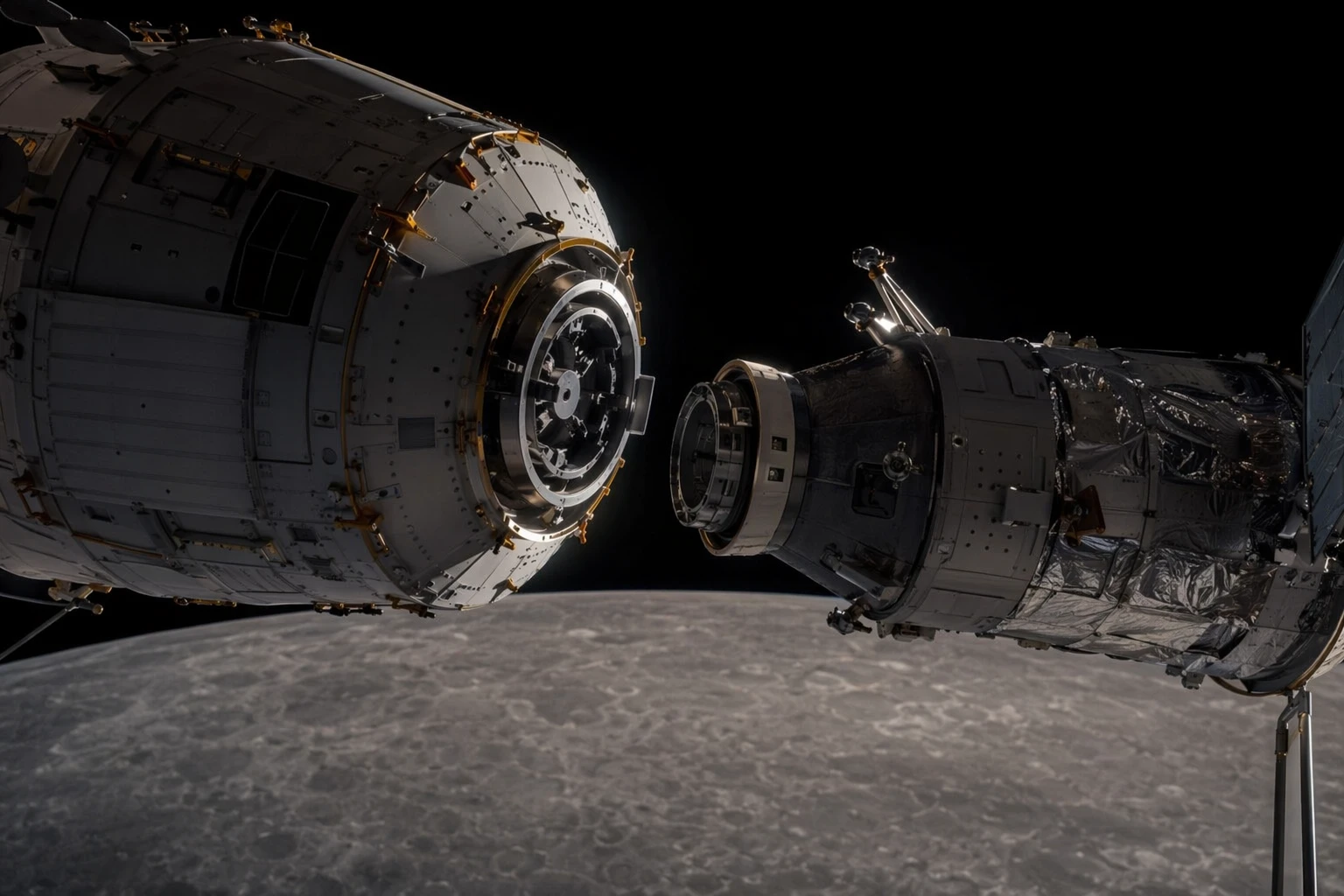
The stakes for that collaboration are higher because the Artemis program is no longer being judged by ambition alone. NASA said Artemis I sent Orion on a 1.4-million-mile journey beyond the Moon and back, and the agency has tied the broader program to scientific discovery, economic benefits and eventual Mars exploration. It also points to the Artemis Accords, established in 2020 with the U.S. Department of State and seven other initial signatory nations, as part of the framework for that larger effort.
SpaceX and Blue Origin also briefed updates on their roles during the event, and Blue Origin’s update came less than two weeks after a serious setback. For NASA, Artemis III will mean more than symbolism only if the landers, docking plans and launch sequence prove credible enough to carry the program from orbit test to lunar landing.
Sources
- [1]cbsnews.com
- [2]nasa.gov
- [3]cbc.ca