US News
NASA partners with Relativity Space on Mars mission for 2028 launch
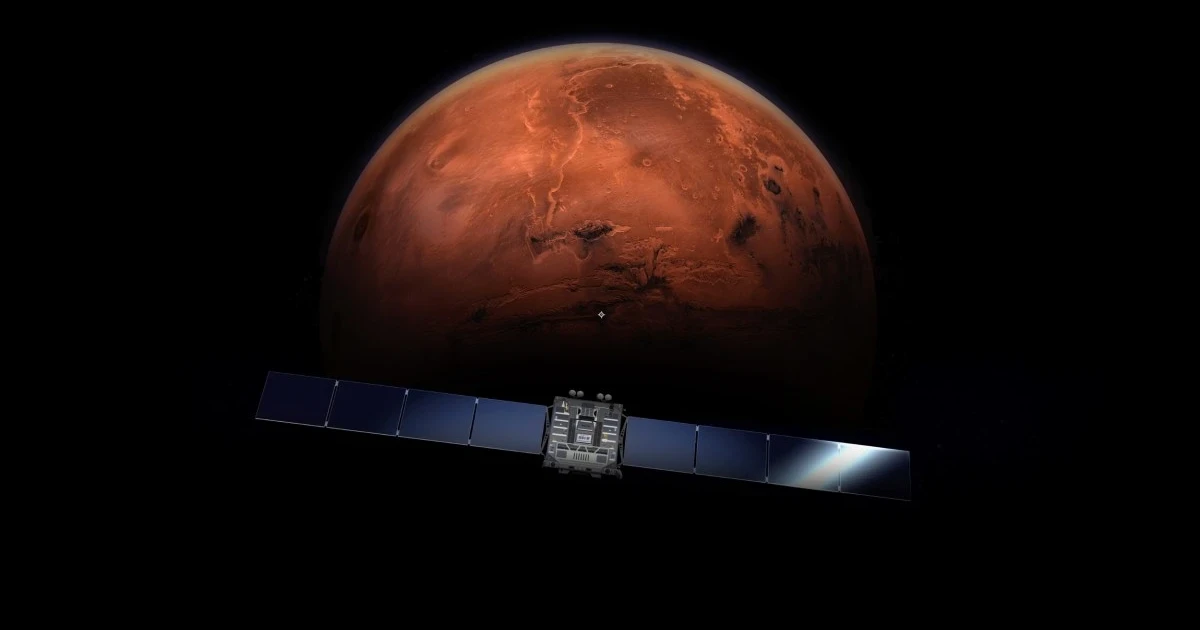
NASA has chosen a rocket maker with something to prove. In a new public-private partnership, the agency is backing Relativity Space to carry its Aeolus Mars science payload, a move that could shape the next phase of America’s private space race and test whether a company once seen as a striver can become a serious rival to SpaceX.
Under the arrangement, NASA will provide the Aeolus atmospheric-science instrument payload suite, while Relativity Space will supply the spacecraft, rocket and cruise operations needed to deliver it to Mars. The mission is scheduled to launch in 2028 and is designed to give scientists the first integrated, daily, global view of Martian winds, temperatures, dust and clouds. NASA said that data will help accelerate discovery, increase mission cadence and improve the atmospheric knowledge needed for future human missions to Mars.
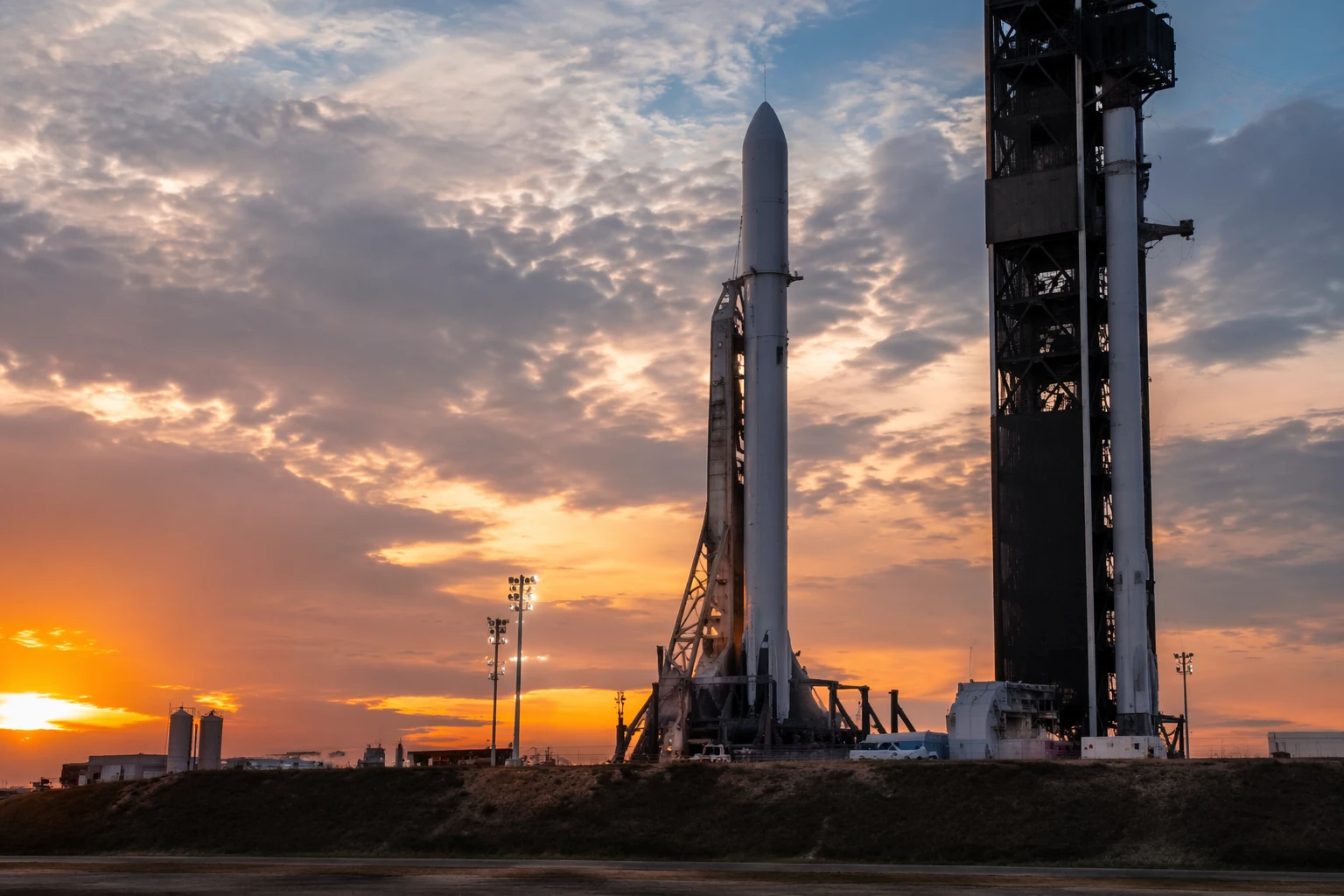
The partnership also spotlights the turnaround underway at Relativity Space itself. Eric Schmidt became chief executive and took a controlling stake in the Long Beach, California, company on March 10, 2025, replacing co-founder Tim Ellis, who remained on the board. NASA Administrator Jared Isaacman announced the collaboration at a Relativity Space event and cast it as a model that combines NASA’s scientific leadership with commercial innovation.
That makes the deal more than a routine procurement. Relativity Space has spent years trying to move from promise to orbit, and NASA’s choice suggests the agency sees strategic value in broadening the field beyond SpaceX, whose Starship and Super Heavy system is built as a fully reusable transportation system for crew and cargo to Earth orbit, the Moon, Mars and beyond. If Relativity can execute, NASA gains another provider with Mars capability, a chance to increase launch tempo and a potential lever on cost and competition in deep-space missions.
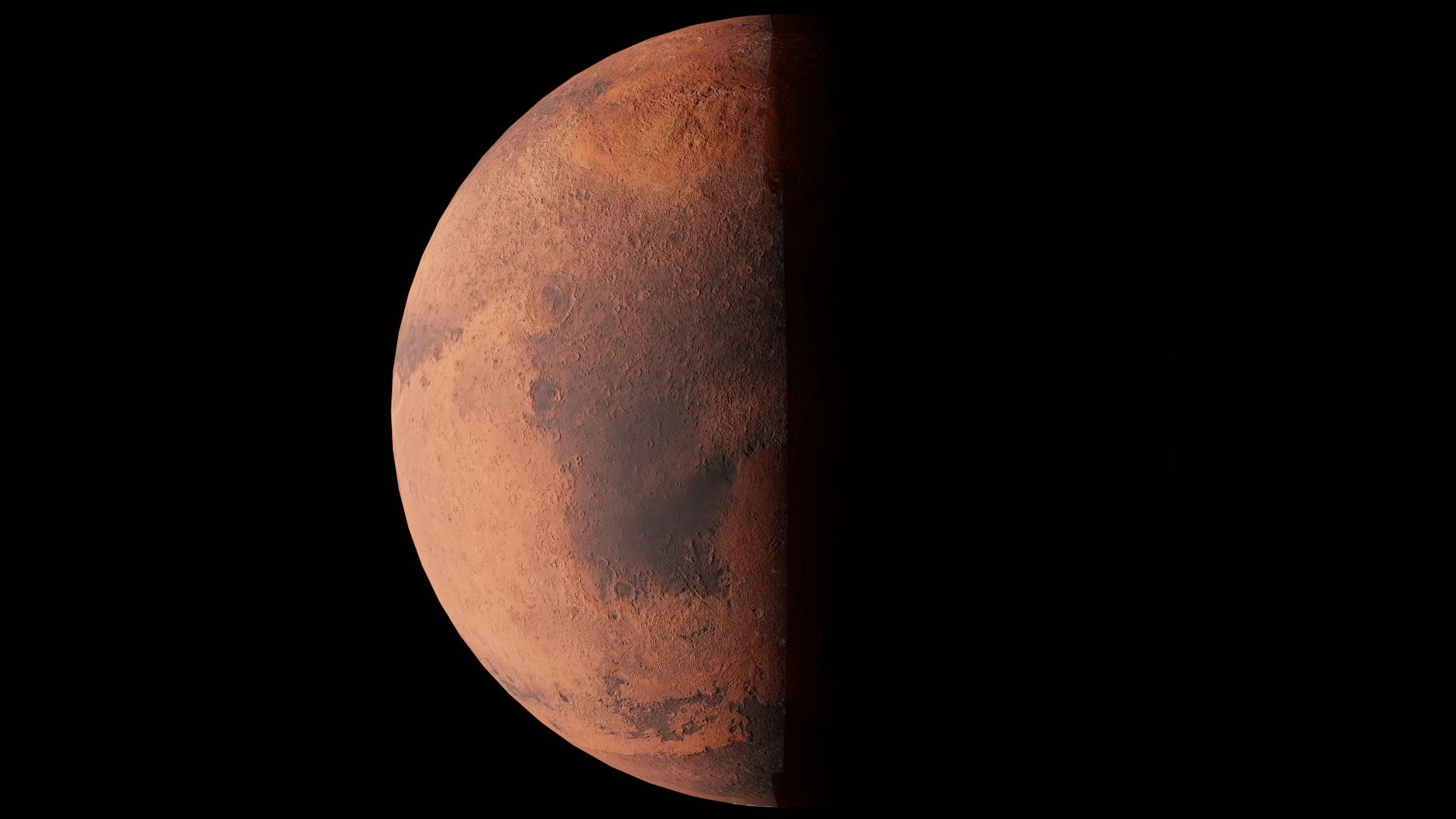
For NASA, the stakes are larger than one payload and one launch date. Aeolus is meant to help answer a basic question that still stands between robotic exploration and human arrival: how Mars’s atmosphere behaves from day to day, around the planet. For Relativity Space, the mission is a chance to show that Schmidt’s overhaul can translate into hard results. For SpaceX, it is a reminder that the race to Mars is no longer a single-company story.
Sources
- [1]techcrunch.com
- [2]nasa.gov
- [3]spacenews.com
- [4]spacex.com