US News
NASA plans 2027 Artemis III test flight ahead of lunar landing
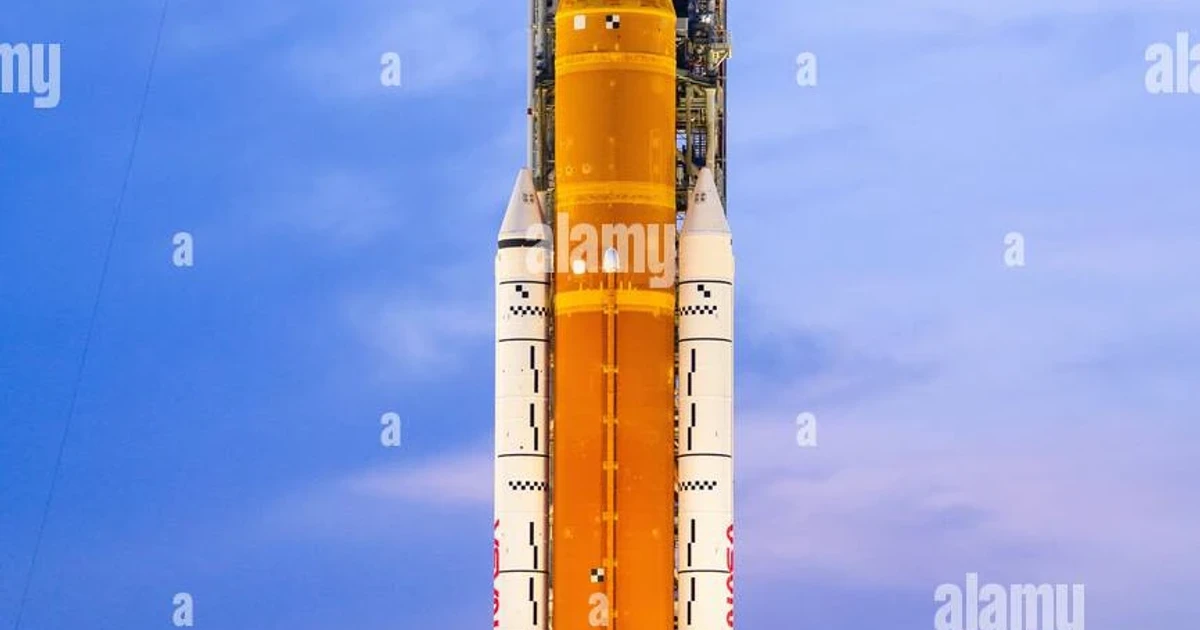
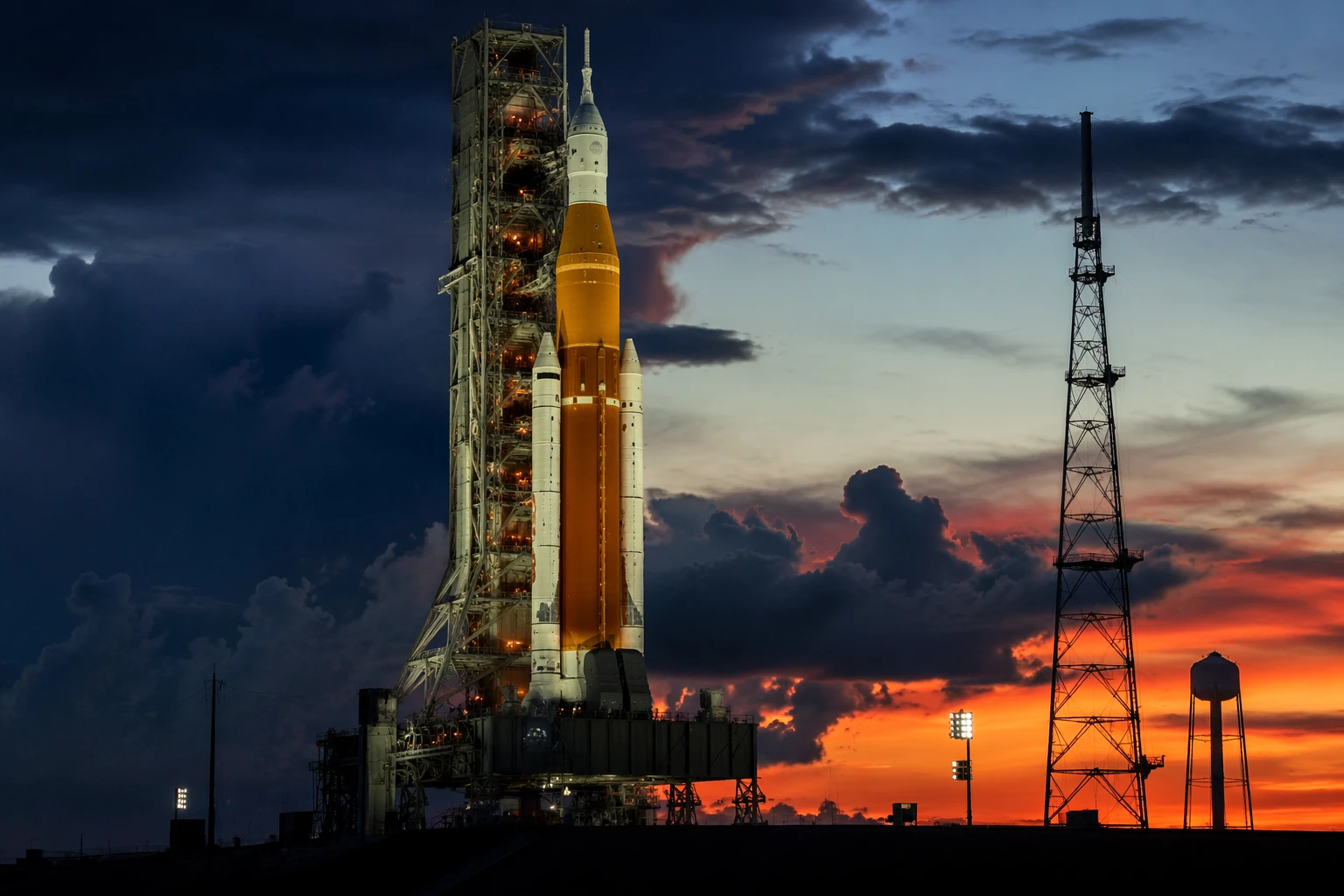
NASA is turning Artemis III into a proving flight, not a straight shot to the Moon. The 2027 mission is planned to launch four astronauts from Kennedy Space Center on an SLS rocket and Orion spacecraft into low Earth orbit, where the crew will test the systems NASA says must work before any landing at the lunar South Pole.
The flight is designed to rehearse rendezvous and docking with test versions of commercial human landing systems from Blue Origin and SpaceX. NASA says the mission will require integrated hardware, software, propulsion and communications work across NASA, industry and international partners, a scope the agency describes as one of the most highly complex human spaceflight missions it has undertaken. The point is to reduce risk ahead of Artemis IV, which NASA currently calls the first planned crewed mission to the lunar South Pole in 2028.
On June 9, 2026, NASA named the Artemis III crew as Randy Bresnik, Luca Parmitano, Andre Douglas and Frank Rubio, with Bob Hines as backup. The astronauts will begin training immediately on Orion systems while also helping with development and operations of the Blue Origin and SpaceX test landers. That training pipeline matters because Artemis III is meant to show not just that NASA can launch people, but that the agency and its partners can execute a multi-step lunar campaign without breaking the chain of planning, testing and docking that the mission depends on.
The broader stakes are bigger than a single launch. Artemis III sits inside NASA's Moon-to-Mars strategy and follows Artemis II, the crewed lunar flyby that launched on April 1, 2026. NASA is trying to return humans to the Moon for the first time since Apollo 17 in 1972, and it has identified nine potential landing regions near the lunar South Pole for the eventual surface mission. The South Pole is scientifically attractive because of its extreme lighting and shadow conditions, but those same conditions make landing harder.
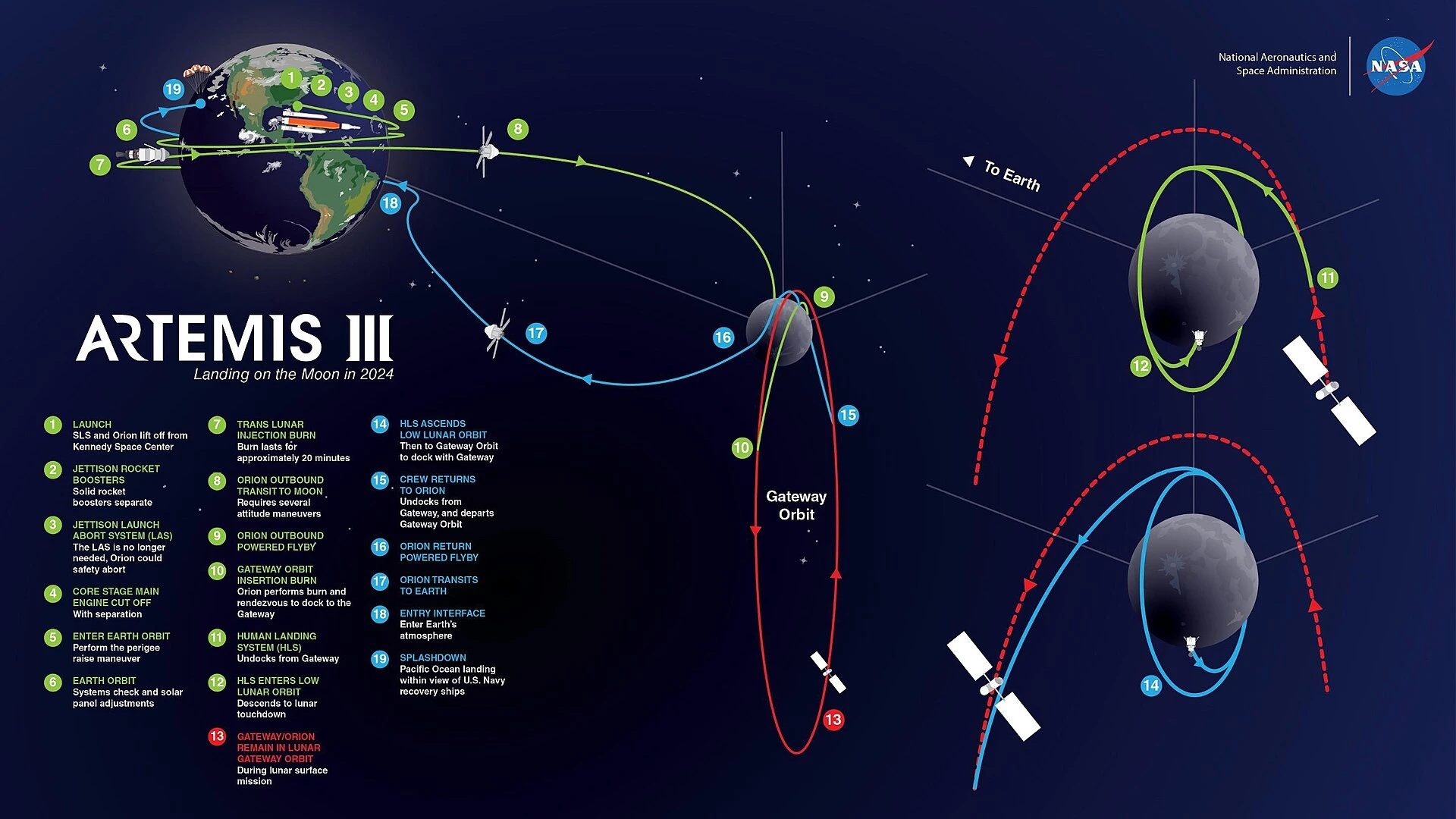
NASA's Human Landing System program has split the work among two commercial builders: SpaceX is developing Starship HLS for Artemis III and Artemis IV, while Blue Origin is working on Blue Moon for Artemis V. That makes Artemis III a credibility test for the entire return-to-the-Moon agenda. If the landers, docking demonstrations or training timeline slip, the delay will ripple through NASA's schedule and shape confidence in the agency's ability to lead the next era of U.S. spaceflight.
Sources
- [1]cbsnews.com
- [2]nasa.gov