US News
NASA plans daring rescue mission to save Swift telescope
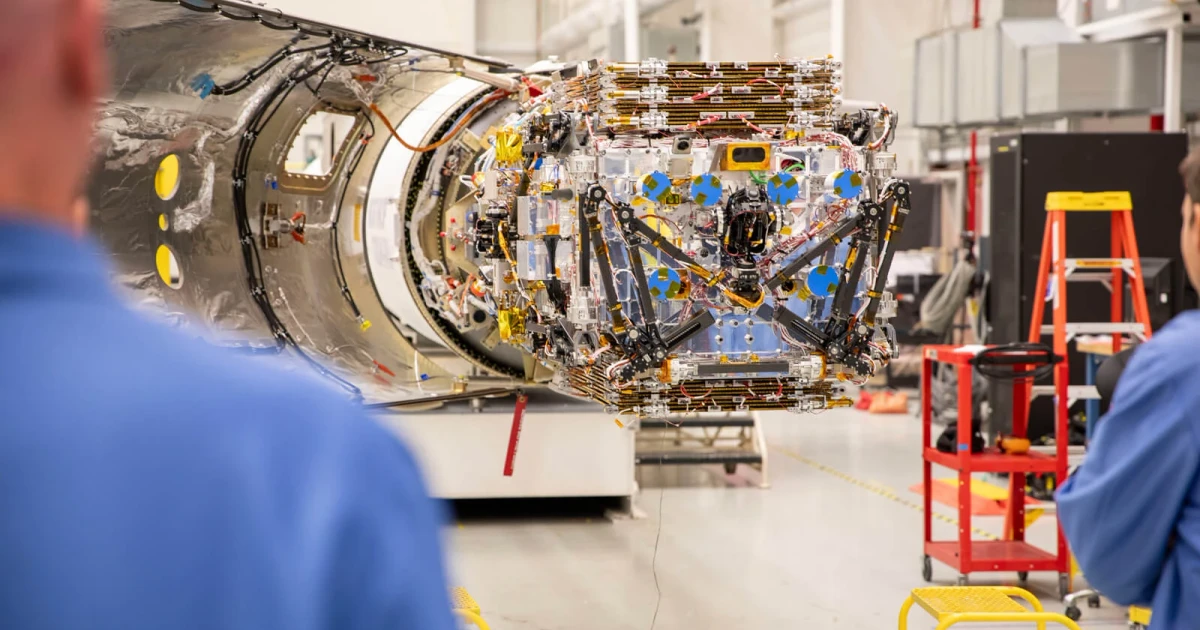
NASA finished installing Katalyst Space Technologies’ LINK robotic servicing spacecraft into a Northrop Grumman Pegasus XL rocket at Wallops Flight Facility in Virginia on June 9, setting up a $30 million attempt to lift the Swift telescope before atmospheric drag drags it back toward Earth. The mission marks a rare effort to maintain an aging spacecraft in orbit instead of writing it off and building a replacement.
Swift, now called the Neil Gehrels Swift Observatory, launched on November 20, 2004 and was renamed in 2018 to honor Neil Gehrels, its first principal investigator. The observatory carries three instruments that track gamma-ray bursts in gamma-ray, X-ray, ultraviolet and optical light, and its design lets it autonomously swing to a burst within 20 to 75 seconds. That rapid response is one reason Penn State, which operates Swift mission control and serves as the lead university partner, says the observatory can still deliver important science more than two decades after launch.
NASA says Swift’s orbit has been decaying faster than expected because atmospheric drag intensified after a recent burst of solar activity, including solar maximum conditions in 2024. By January 2025, agency models were already showing a likely re-entry window in summer 2026, and NASA’s current materials push that risk into fall 2026.
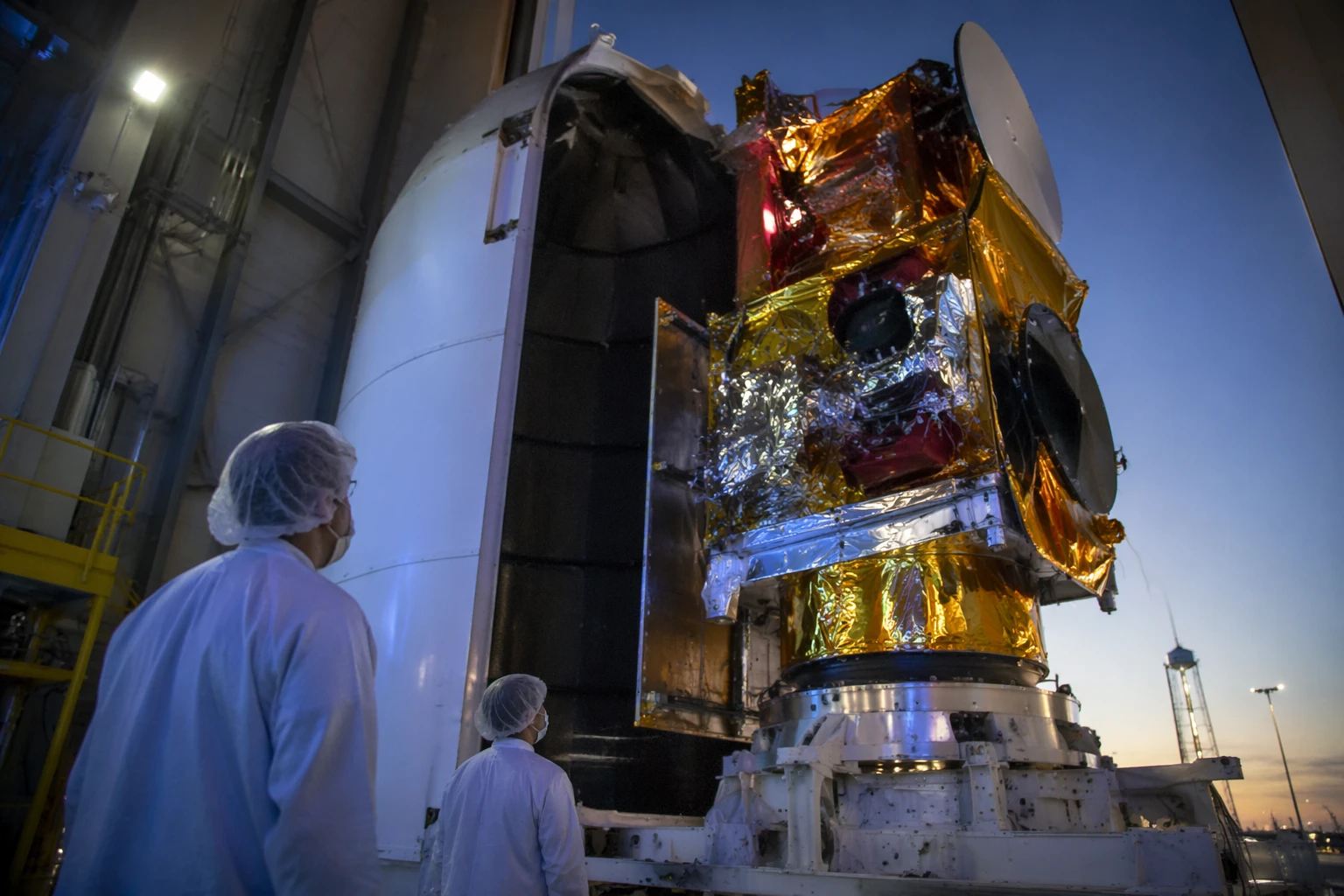
The boost mission is intended to change that trajectory. NASA says LINK will rendezvous with Swift, capture it and raise it to a higher orbit over several months. The agency has framed the project as both a rescue and a test run, one meant to demonstrate a key commercial satellite servicing capability while also extending Swift’s science life. Katalyst Space Technologies, based in Flagstaff, Arizona, was contracted in September 2025 for the job, with NASA, NASA Goddard Space Flight Center, Penn State and Northrop Grumman all tied into the effort.
For NASA, Swift has become a case study in the hidden maintenance problem of space infrastructure. A spacecraft launched in 2004 is still valuable enough to justify a robotic salvage operation, because it remains fast, nimble and scientifically unique. The agency said launch was anticipated later in June 2026.
Sources
- [1]news.google.com
- [2]science.nasa.gov
- [3]nasa.gov
- [4]science.psu.edu