Science
NASA Postpones Historic Artemis Moon Mission Amid Extreme Cold at Launch Site
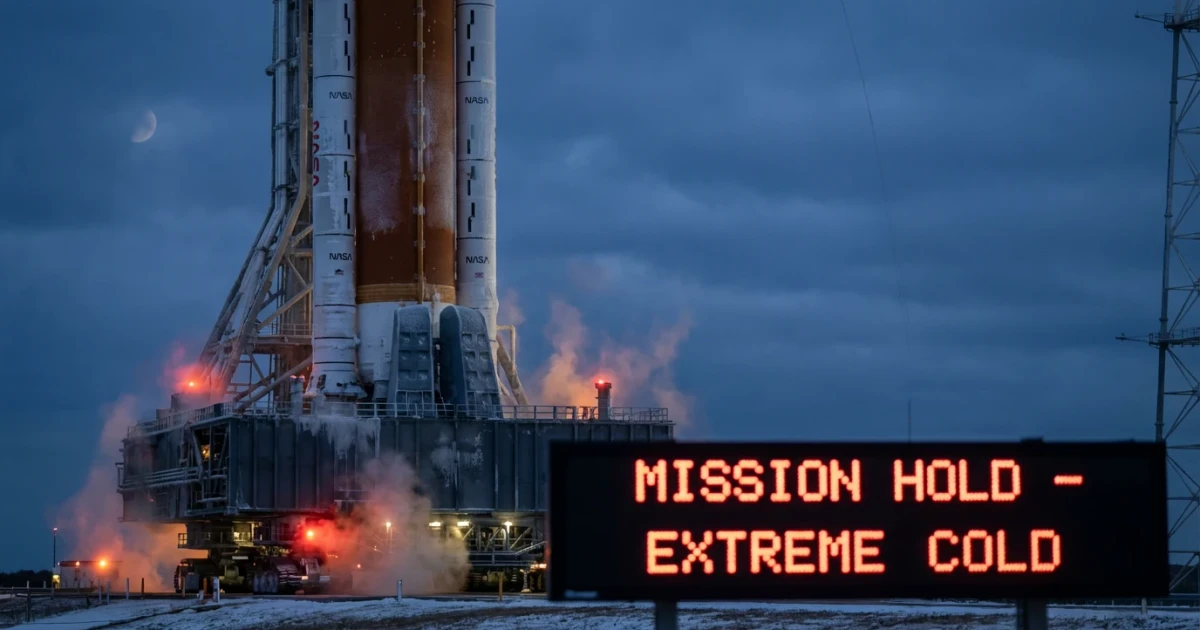
NASA has delayed the highly anticipated launch of the first Artemis moon mission carrying astronauts due to extreme cold at the launch site. The decision underscores the challenges of human spaceflight as the agency prepares to return to the lunar surface for the first time in decades.
Extreme Cold Forces Artemis Launch Delay
The Artemis mission, which marks NASA's bold return to crewed lunar exploration, was set to make history by carrying astronauts on a journey around the moon. However, officials cited extreme cold at the launch facility as the primary reason for postponing the mission. This weather-related delay highlights the delicate balance NASA must maintain between ambitious timelines and the safety of its crew and equipment.
- The Artemis mission is NASA's first attempt to send humans around the moon since the Apollo era.
- Freezing conditions at the launch site led to the postponement, ensuring all safety protocols could be upheld.
Mission Significance and Public Scrutiny
Anticipation for the Artemis program has been building, with NASA aiming to establish a sustainable human presence on the moon and set the stage for future missions to Mars. The upcoming flight will test both new technology and the agency's ability to safely adapt to unpredictable natural factors.
Despite the excitement, not all experts agree on the mission's approach or its spacecraft design. There has been some debate in the aerospace community about the spacecraft selected for this journey, reflecting broader discussions about safety, cost, and innovation in human spaceflight.
Looking Ahead: Artemis Mission Timeline and Next Steps
With the delay, NASA will continue to monitor weather conditions closely to determine the next available launch window. The agency reiterated its commitment to safety, emphasizing that mission objectives can only be achieved by ensuring the well-being of the crew and the integrity of the spacecraft.
- The Artemis program represents NASA's most ambitious human spaceflight effort in a generation.
- Further updates on the mission schedule are expected as weather conditions evolve.
Conclusion: Perseverance in Space Exploration
While the postponement is a disappointment for those eager to witness a new chapter in lunar exploration, it serves as a reminder of the numerous variables space agencies face during mission planning. As NASA continues preparations, the Artemis mission remains a beacon of scientific ambition and a testament to the complexities of venturing beyond Earth.
Sources
- [1]ABC News