Technology
NASA prepares first robotic rescue mission to save aging Swift telescope
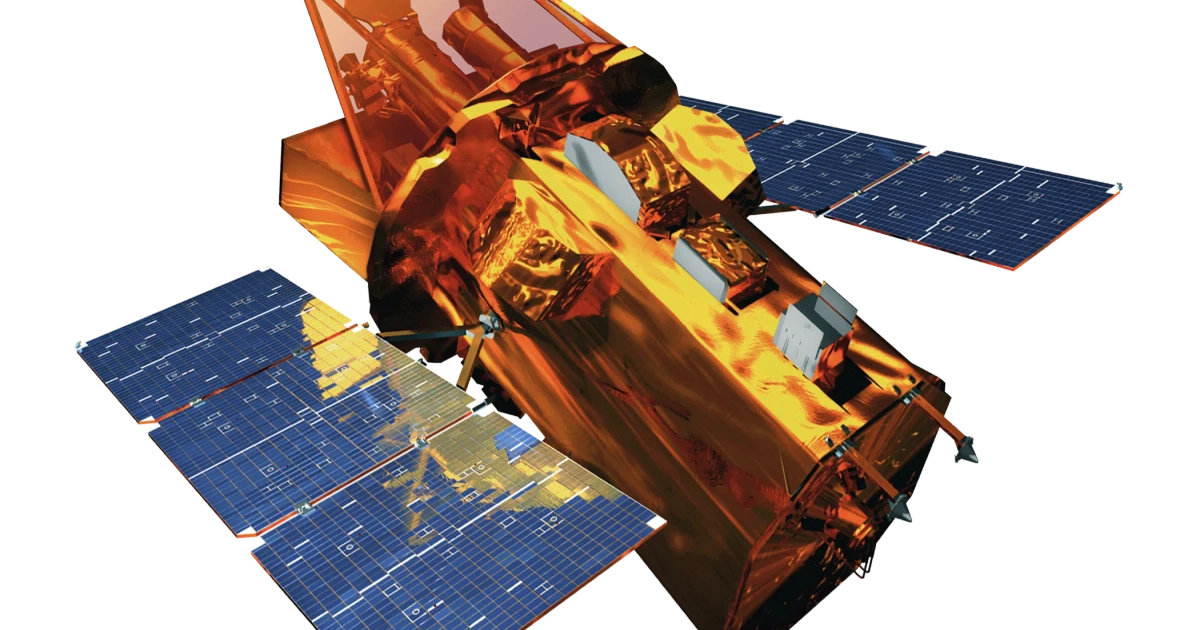
NASA aimed a 6:17 a.m. EDT liftoff Tuesday for a robotic rescue run to keep the Neil Gehrels Swift Observatory from sliding back into Earth’s atmosphere. The 21-year-old satellite has been losing altitude faster than expected as increased solar activity puffs up the upper atmosphere and adds drag, raising the risk of reentry if the boost fails.
Swift, launched in 2004, was built to study gamma-ray bursts, the universe’s most powerful explosions, along with other cosmic objects and events. The observatory has entered a phase of rapid orbital decay after more than two decades in space, and a successful reboost would preserve an active mission at a fraction of the cost of building a replacement. If the effort does not work, Swift could re-enter Earth’s atmosphere in fall 2026.
The agency awarded Katalyst Space Technologies of Flagstaff, Arizona, a $30 million contract in September 2025 to attempt the orbit-boost mission. The work could become the first time a commercial robotic mission captures a NASA spacecraft that was uncrewed and not originally designed to be serviced in space.
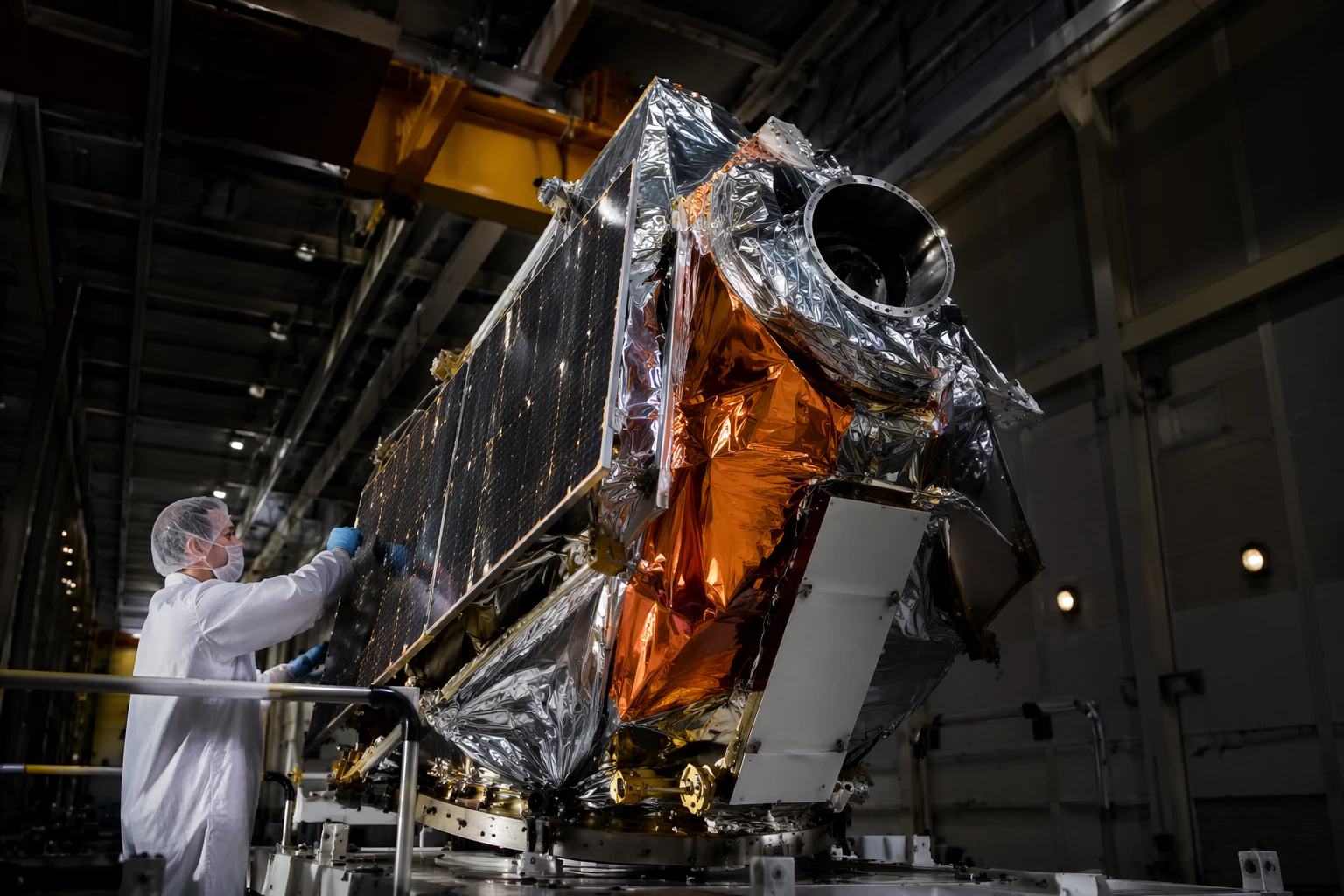
The mission centers on Katalyst’s LINK spacecraft, which weighs about 880 pounds, or 400 kilograms. LINK was set to launch on Northrop Grumman’s Pegasus XL rocket after air-launch handling by the company’s Stargazer aircraft, with final integration at NASA’s Wallops Flight Facility in Virginia and launch from the Reagan Test Range at Kwajalein Atoll in the Marshall Islands. The operation is being carried out with Katalyst Space, Northrop Grumman and a team from Goddard Space Flight Center.
NASA had temporarily suspended most science operations on Swift to reduce atmospheric drag and slow the decay while the boost mission was readied.