Science
NASA Probes Astronaut's Sudden Speech Loss on Space Station
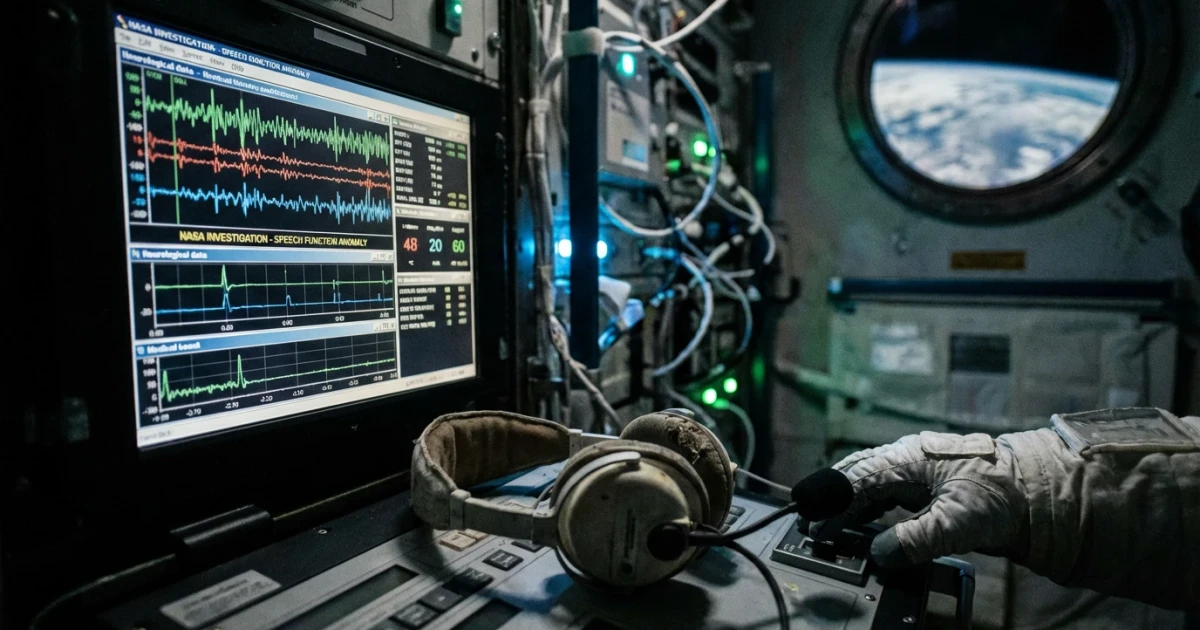
Astronaut Mike Fincke experienced a rare and unsettling incident during his mission aboard the International Space Station (ISS): a sudden, temporary loss of the ability to speak. NASA is now investigating the episode as part of its ongoing research into the neurological effects of space travel—a subject that has gained increasing attention as missions become longer and more complex.
Incident Details Aboard the ISS
The loss of speech occurred while Fincke was serving on the ISS, according to coverage from IFLScience. The astronaut, who has logged hundreds of days in orbit, was reportedly rendered unable to speak during routine activities. The episode was temporary, but both Fincke and NASA medical teams took the event seriously. It was not immediately clear what triggered the incident, and NASA has not released specific medical details pending further analysis.
Exploring the Neurological Risks of Spaceflight
NASA and independent researchers have long studied how space travel affects the human nervous system. The neurologic effects of spaceflight can include changes in vision, balance, coordination, and—in rare cases—speech and communication. Peer-reviewed studies have documented a range of cognitive and physical symptoms experienced by astronauts both during and after their missions.
- Symptoms may include headaches, memory lapses, and difficulty with motor skills
- Speech and communication impairments have been reported, though they are rare
- Most effects are transient, resolving after re-adaptation to Earth's gravity
According to NASA's Human Research Program on neurology, these symptoms are an active area of study as the agency prepares for longer missions to the Moon and Mars. Neurological monitoring is now routine on the ISS, where crew members participate in regular cognitive and motor function tests.
What Happened to Mike Fincke?
While the precise cause of Fincke's speech loss has not been determined, experts suggest it could be linked to the unique conditions of spaceflight. Microgravity, radiation exposure, and altered sleep cycles all place stress on the central nervous system. Combined with the psychological demands of isolation, these factors can sometimes lead to unexpected neurological symptoms.
Fincke's experience is not isolated in the history of human spaceflight. Data from previous ISS expeditions show that astronauts have occasionally reported brief episodes of confusion, dizziness, or difficulty with speech. However, such incidents are rare, and the vast majority of crew members recover quickly without lasting effects.
NASA's Response and Ongoing Research
NASA has responded to Fincke's case by stepping up neurological monitoring and reviewing the incident as part of its broader research agenda. The agency's official neurology research program includes studies on cognitive performance, balance, and sensorimotor adaptation in the microgravity environment. By collecting data from incidents like Fincke's, NASA aims to better understand the risks and develop countermeasures for future long-duration missions.
- Continuous monitoring of crew health on the ISS
- Expanded neurocognitive testing before, during, and after missions
- Development of medical protocols for neurological events in space
Looking Ahead
As human spaceflight missions extend to months or even years, understanding the neurological impacts of space will be critical to ensuring astronaut safety. Fincke's experience—while alarming—has provided valuable data for NASA and the wider scientific community. Continued research will help mitigate risks and prepare future crews for the challenges of exploration beyond low Earth orbit.