Science
NASA Puts ISS Astronauts on Evacuation Alert Amid Worsening Leak
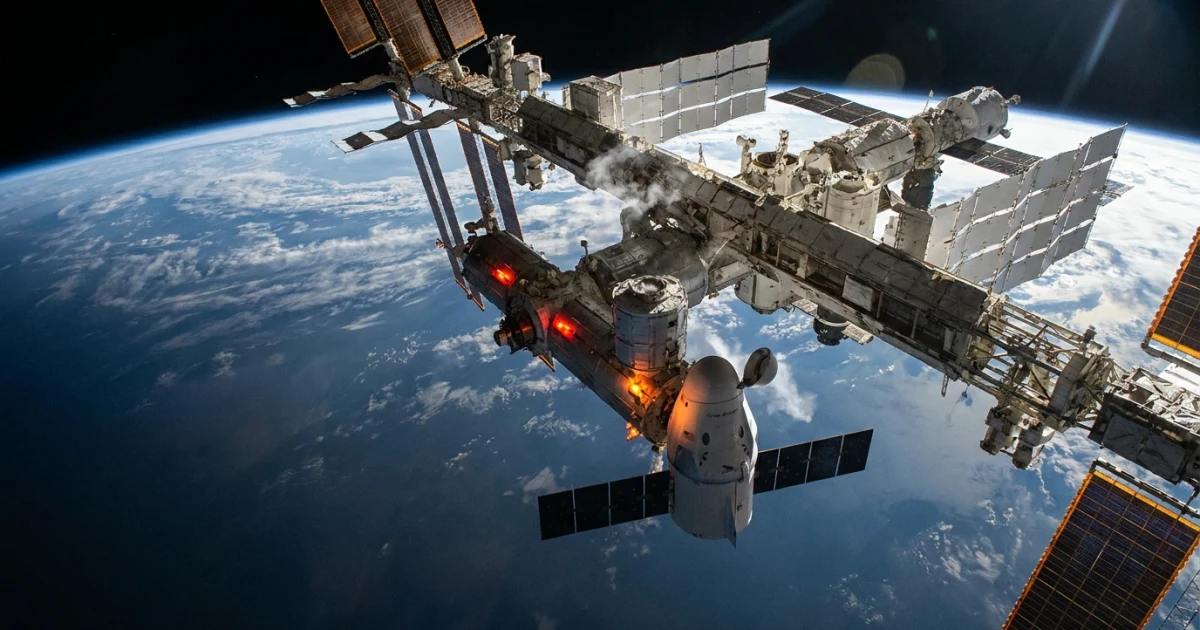
NASA has directed astronauts aboard the International Space Station (ISS) to prepare for potential evacuation as engineers grapple with a worsening air leak. The agency's alert underscores both the seriousness of the current situation and the robust safety protocols in place for crewed missions in low Earth orbit.
Escalating Leak Prompts Emergency Protocols
According to Reuters, NASA placed its ISS crew members on evacuation alert on June 5, instructing them to board their respective spacecraft as a precautionary measure. This response was triggered by signs that an existing air leak had worsened, despite ongoing repair efforts. The ISS hosts a multinational crew, and standard procedures dictate that each astronaut has a designated return vehicle—such as a SpaceX Crew Dragon or Russian Soyuz—ready for rapid departure in the event of an emergency.
The latest leak adds to a series of minor depressurization incidents experienced by the ISS throughout its operational history. While previous leaks have typically been resolved without incident, this episode is notable for its rapid escalation and NASA's decision to move swiftly to evacuation readiness. The agency’s official status reports provide ongoing updates and technical logs related to station operations and emergencies.
Repair Efforts and Safety Technology
NASA engineers, in coordination with their international partners, are actively attempting to locate and seal the source of the air leak. The ISS is equipped with advanced monitoring systems designed to detect minute drops in internal pressure, as outlined in NASA’s explainer on air leak detection and response. These systems include ultrasonic detectors, pressure sensors, and protocols for isolating affected modules.
- The ISS has experienced air leaks of varying severity in the past, typically attributed to micrometeoroid impacts or seal degradation.
- The current leak is reportedly larger than standard background leaks, prompting NASA to treat it as an immediate operational risk.
- Crew safety remains the top priority, with astronauts following prescribed procedures to isolate the leak and maintain life-supporting pressure levels.
NASA’s dedicated leak updates page provides a timeline and technical findings related to current and previous air leaks on the ISS, supporting transparency and public communication.
Understanding the Risks and Response
The ISS operates in a hostile space environment where even minor technical issues can escalate quickly. The station’s design incorporates multiple layers of redundancy and robust safety protocols for depressurization events, including:
- Continuous atmospheric monitoring for pressure anomalies
- Procedures for crew relocation to safe zones and spacecraft
- Capability to isolate modules to contain leaks
- Emergency evacuation plans utilizing docked spacecraft
While rare, evacuation alerts are a standard part of ISS contingency planning. Past incidents, such as the 2020 and 2021 leaks, have been resolved without requiring crew departure, illustrating both the resilience of ISS systems and the effectiveness of international collaboration in space station management.
Looking Ahead: Crew Safety and Mission Continuity
As NASA engineers and ISS crew work to resolve the current air leak, the situation highlights the ongoing challenges of maintaining a decades-old orbital facility. The current alert serves as a reminder of the station’s vulnerability to space hazards and the critical role of rapid response protocols in preserving astronaut safety.
NASA, along with its international partners, will continue to provide updates as the situation develops. The readiness to evacuate at a moment’s notice demonstrates both the inherent risks of human spaceflight and the extensive planning that underpins ongoing operations aboard the ISS.