Science
NASA Returns Artemis II Moon Rocket for Repairs Amid Delay
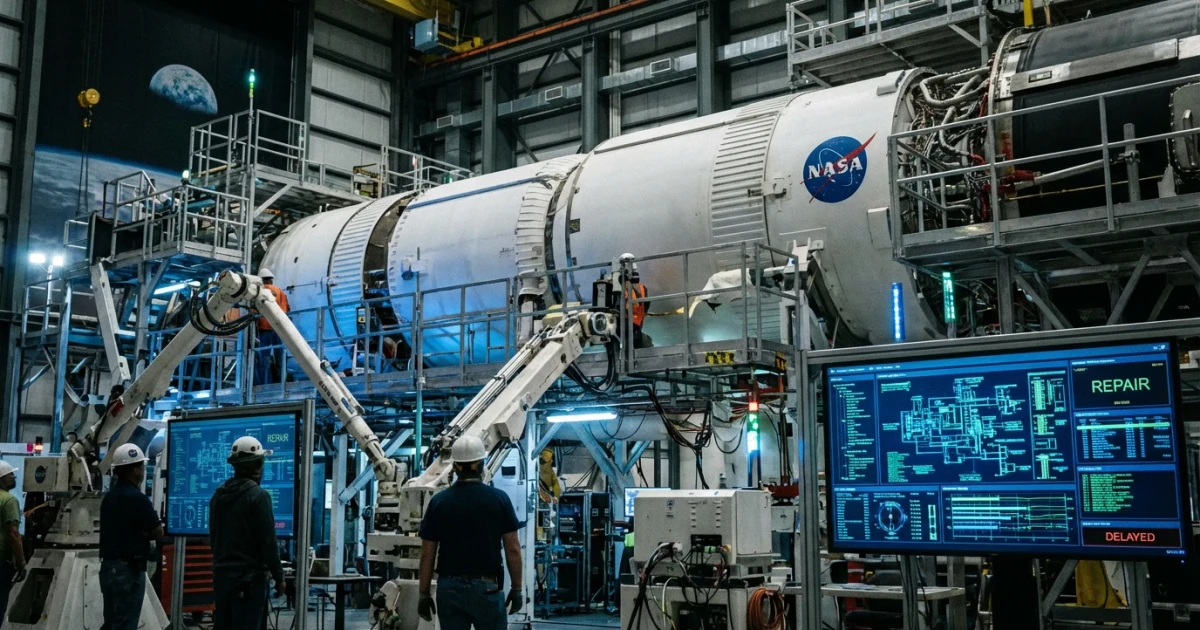
NASA has returned its Artemis II moon rocket to the hangar for repairs, causing further delay to the highly anticipated mission. This setback affects the timeline for sending astronauts around the Moon, marking a significant moment for the ongoing Artemis program.
Rocket Returned for Repairs
The Artemis II mission—set to be the first crewed lunar flyby since Apollo—has encountered an unexpected technical issue, requiring NASA to roll its massive Space Launch System (SLS) rocket back to the Vehicle Assembly Building at Kennedy Space Center. The decision to return the rocket was made after engineers identified a problem that could affect mission safety, though NASA has not yet detailed the specific nature of the malfunction.
Impact on Mission Timeline
This repair is the latest in a series of delays for Artemis II. The mission, which will send four astronauts on a journey around the Moon, was originally targeted for launch in late 2024. Schedule adjustments and technical challenges have pushed the expected date further into the future. With the rocket now back in the hangar, the timeline for Artemis II remains uncertain. NASA officials have stated that they will not proceed with the mission until all safety concerns are addressed, reflecting the agency’s cautious approach after previous setbacks.
Astronauts and Mission Objectives
The Artemis II crew, selected to represent the next generation of lunar explorers, remains in training as they await confirmation of a new launch date. The mission aims to test the performance of both the SLS rocket and the Orion spacecraft in deep space, paving the way for future landings on the lunar surface. According to the Artemis Program Mission Data, this flight is critical for validating life support systems, navigation, and communications technologies that will be vital for long-duration missions.
Key Artemis II Mission Objectives Include:
- Completing a crewed lunar flyby, the first since Apollo 17 in 1972
- Testing the Orion spacecraft’s environmental and life support systems
- Demonstrating mission-critical communications for deep space
Technical Challenges and Risk Management
As outlined in a NASA technical report, the Artemis program faces substantial engineering challenges, from launch vehicle reliability to spacecraft thermal control. Each delay highlights the complexity of preparing for crewed lunar missions, with NASA conducting thorough reviews to mitigate risks.
NASA’s conservative approach is informed by both the technical demands and the symbolic importance of returning humans to the Moon. The Artemis II flight is a crucial proving ground for future missions, including Artemis III, which aims to land astronauts on the lunar surface.
What Comes Next?
NASA has not yet announced a revised launch date for Artemis II. The agency will continue repairs and rigorous testing before clearing the mission for flight. The outcome of these efforts will shape the schedule for subsequent Artemis missions and the broader goal of establishing a sustainable human presence on the Moon.
For more details on mission status and technical specifications, readers can follow the Artemis II Mission Tracker and review the latest mission data.
As NASA addresses these challenges, the world watches closely—eager for the return of astronauts to lunar orbit and, eventually, the surface of the Moon.