US News
NASA robot launches to rescue falling Swift telescope in orbit
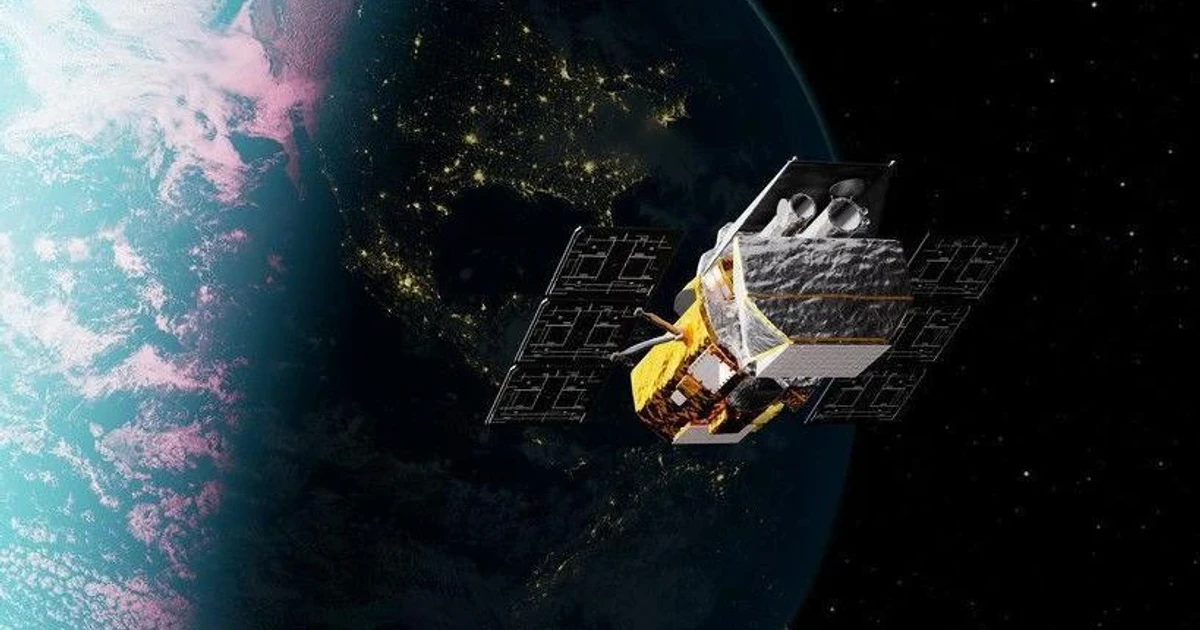
A Northrop Grumman Pegasus XL rocket lifted Katalyst Space Technologies’ LINK robot into orbit on July 3, sending it toward NASA’s Swift telescope for a rare rescue mission that could reset how aging spacecraft are maintained. NASA wants the robot to rendezvous with the observatory, grapple it and raise its altitude before orbital decay turns a repairable asset into debris.
Swift, officially the Neil Gehrels Swift Observatory, launched on November 20, 2004, with a planned life of two years. NASA renamed it in 2018 for Neil Gehrels, its founding principal investigator, after the spacecraft became a workhorse for fast-response astronomy, tracking gamma-ray bursts and other changing cosmic events in visible, ultraviolet, X-ray and gamma-ray light.
The need for intervention sharpened after a recent burst of solar activity increased atmospheric drag on spacecraft in low Earth orbit. NASA said that drag pulled Swift down faster than expected, even as mission teams at NASA’s Goddard Space Flight Center in Greenbelt, Maryland, and Pennsylvania State University’s Eberly College of Science in University Park worked to keep it at least 185 miles, or 300 kilometers, above Earth so the boost plan would remain viable.
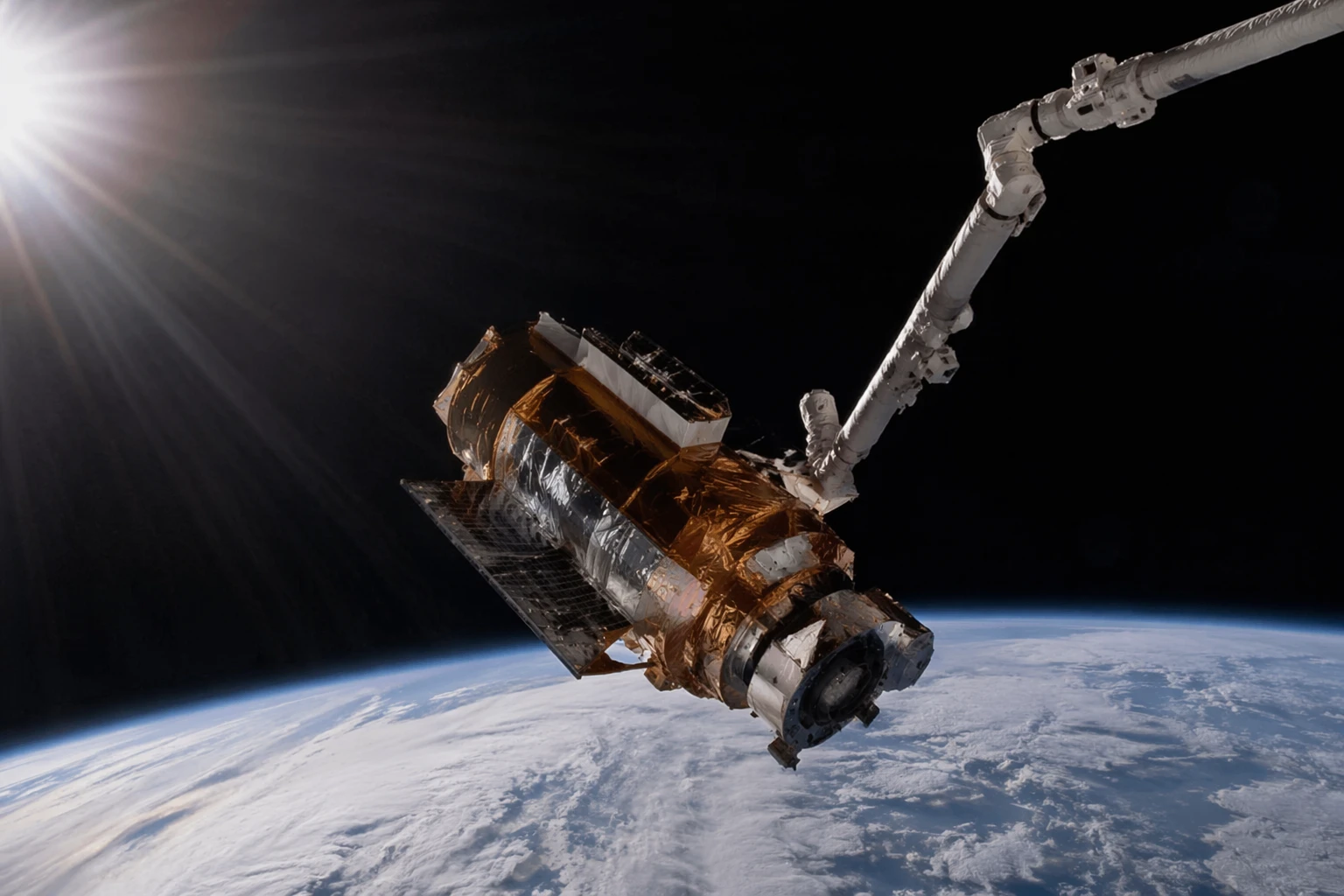
The mission is meant to do more than save one observatory. NASA contracted Katalyst in September 2025 to design, build, test and launch LINK, a commercial robotic servicing spacecraft built in Flagstaff, Arizona, and use it to demonstrate a capability that could support future space missions. NASA has described Swift as an astrophysics multitool, and the agency is treating the project as a proof point for repair-and-boost operations that could extend the life of other high-value scientific assets instead of replacing them.
The stakes are unusually high for a telescope that has already survived far beyond its original schedule. AP reported the salvage effort costs about $30 million, that Swift’s orbit had fallen to about 224 miles, or 360 kilometers, and that it needed to stay above 185 miles for the rescue to work. The same report said the observatory faced a point of no return in October and that a successful boost could send it to about 373 miles, or 600 kilometers.
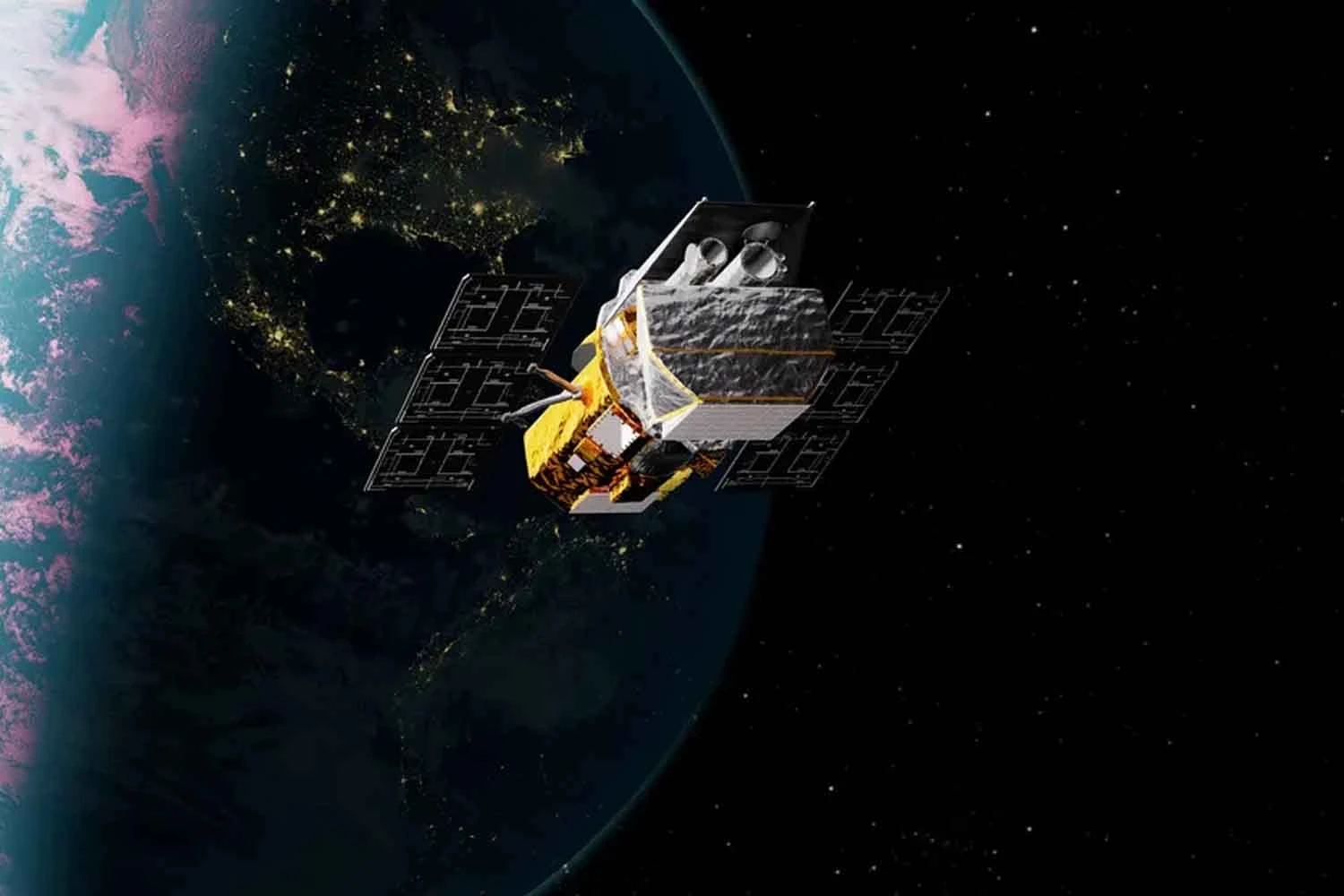
Swift is a NASA MIDEX mission and a successor to the Compton Gamma Ray Observatory, which operated from 1991 to 2000. Its survival now hinges on whether LINK can turn a one-time save into a standard operating model for spacecraft that no longer have to be left to burn up when they start to fall.
Sources
- [1]bbc.co.uk
- [2]science.nasa.gov
- [3]swift.gsfc.nasa.gov
- [4]apnews.com
- [5]nasaspaceflight.com