Science
NASA says CAPSTONE lunar mission completes key objectives
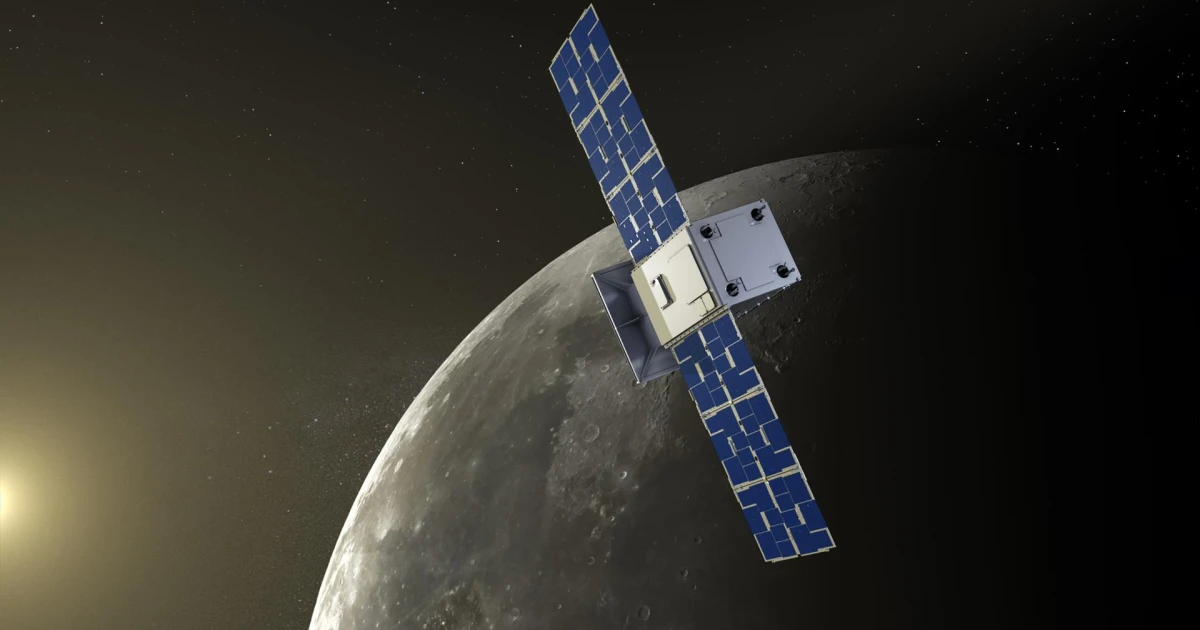
NASA said CAPSTONE had finished every primary and extended mission objective after spending years as a technology probe for future lunar operations. The microwave-sized spacecraft, a 12U CubeSat named for the Cislunar Autonomous Positioning System Technology Operations and Navigation Experiment, launched on June 28, 2022 and became the first U.S. commercial mission to reach the Moon.
The mission mattered because it did more than circle lunar space. CAPSTONE flew in near-rectilinear halo orbit, or NRHO, a three-body path shaped by the combined gravity of Earth and the Moon. NASA said that orbit carries the spacecraft to within about 1,000 miles of one lunar pole and about 43,500 miles from the other pole every seven days, a geometry that helps explain why the orbit is attractive for Gateway and Artemis operations.
In that environment, CAPSTONE validated communications, networking, autonomous navigation and peer-to-peer ranging with the Lunar Reconnaissance Orbiter. NASA said those tests reduced risk for future Artemis missions by characterizing the lunar orbit and confirming power and propulsion models, two practical questions that matter when a spacecraft must keep working far from constant human oversight. The agency also framed the mission as a pathfinder for Gateway and broader cislunar logistics, where sustained human activity around the Moon will depend on reliable navigation and resilient links.
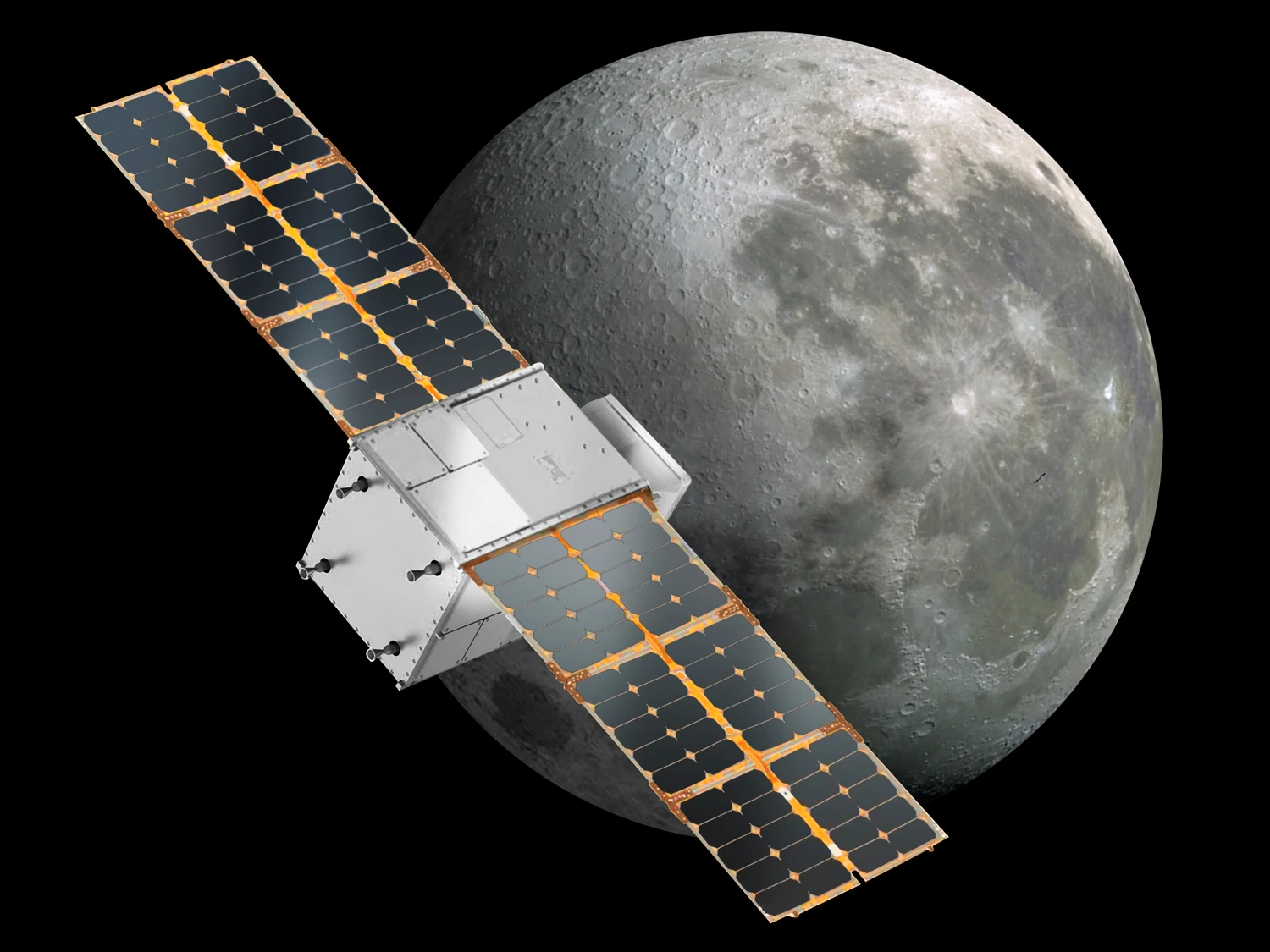
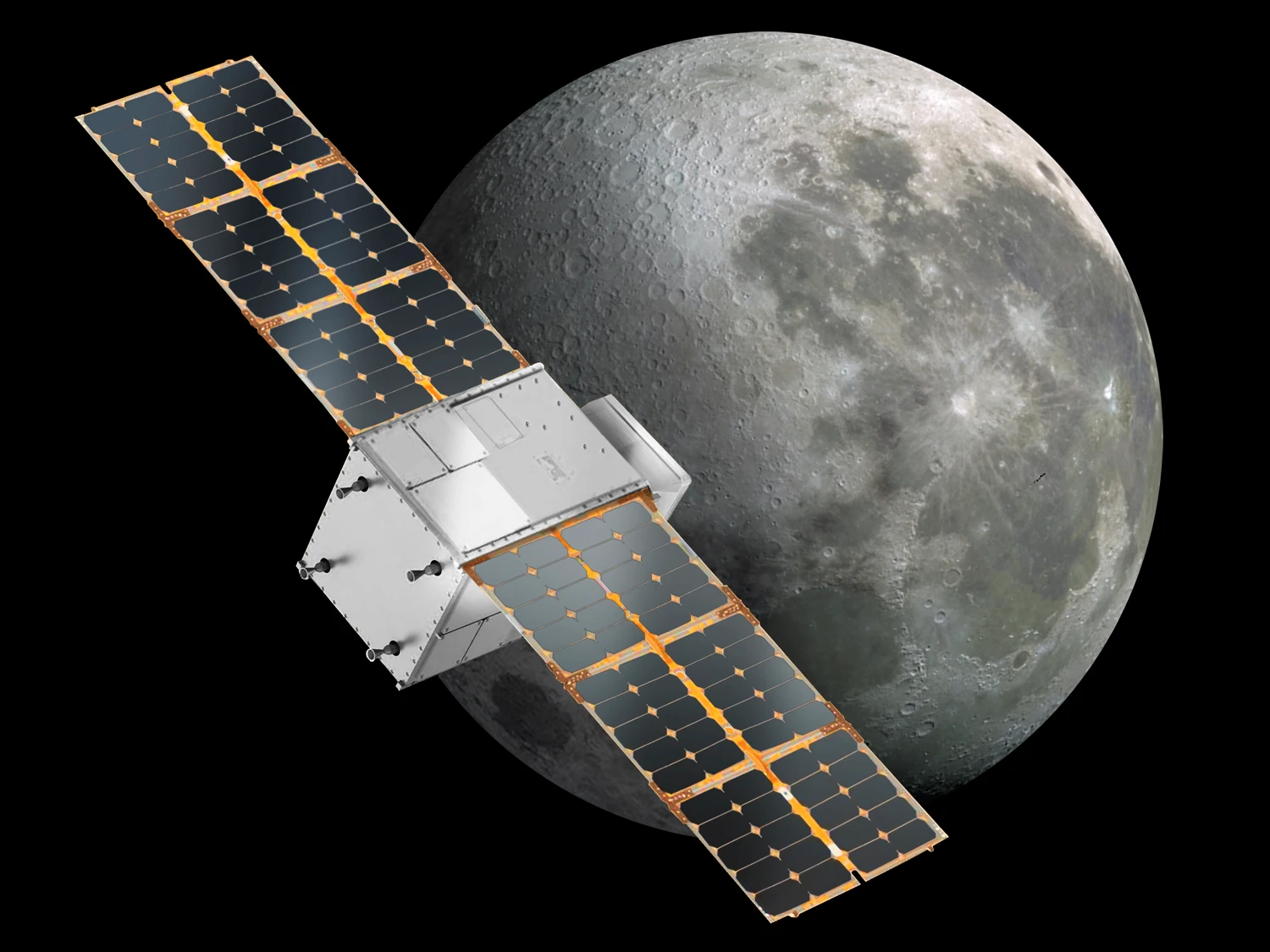
Advanced Space of Westminster, Colorado owned and operated the spacecraft for NASA. The company said CAPSTONE completed its original 18-month mission in spring 2024, then received an extension that let it keep testing additional technologies. In April 2025, Advanced Space said the extended mission would host more experiments to demonstrate spacecraft autonomy, cislunar navigation and interoperable standards-based communications technologies. NASA’s extended-mission summary said the extra operations were planned to continue for 18 months beyond the primary mission.
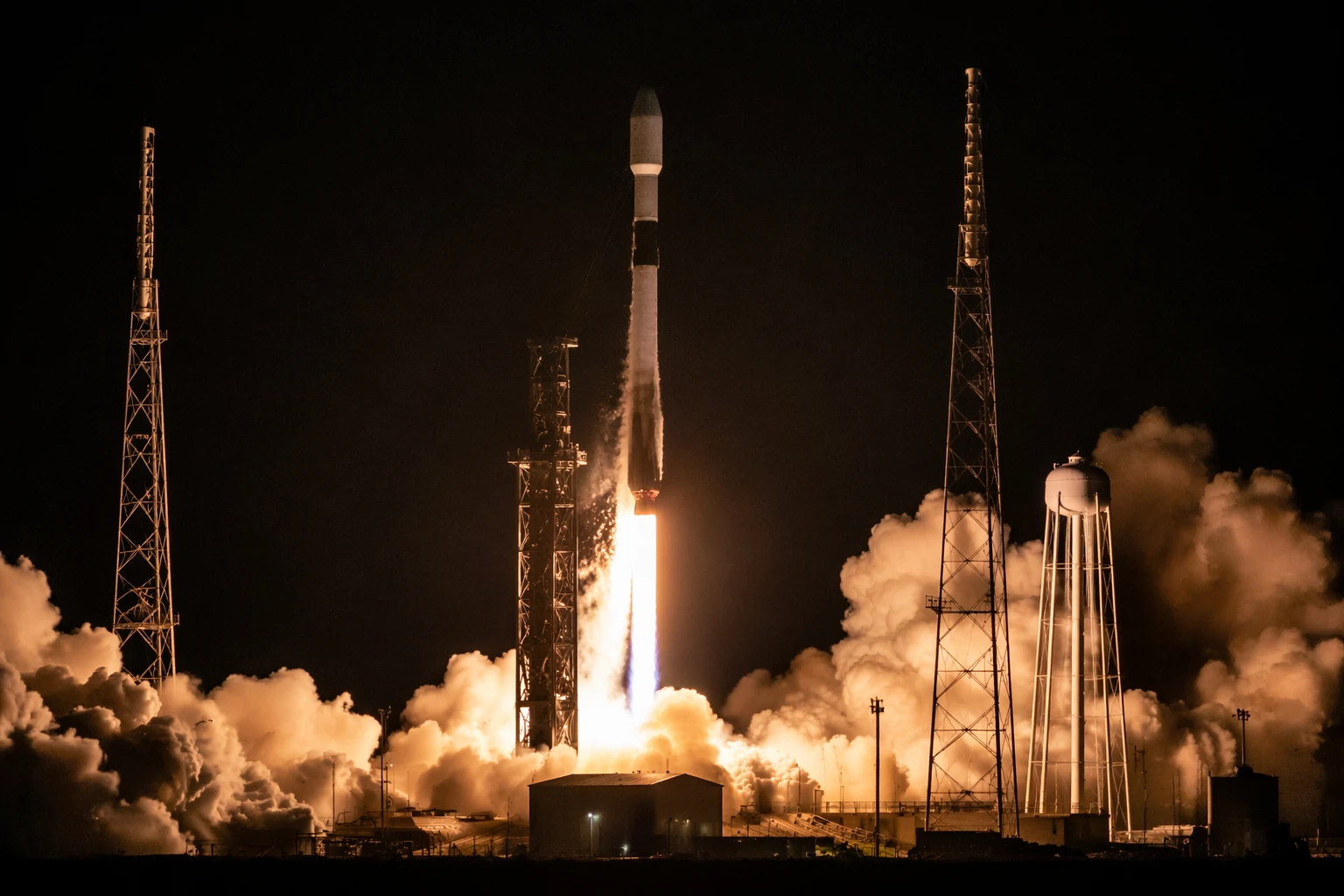
Rocket Lab launched CAPSTONE on an Electron rocket with a Lunar Photon upper stage, and the spacecraft later remained in lunar orbit long after its initial plan. The result was not a one-off demonstration but a working rehearsal for the systems NASA will need when Gateway, Artemis surface operations and future science missions begin relying on smaller spacecraft that can think and communicate for themselves in the Earth-Moon system.